 Go Back


Japanese Pension Fund Allocates to Crypto: A Hedge Against Dollar Risk
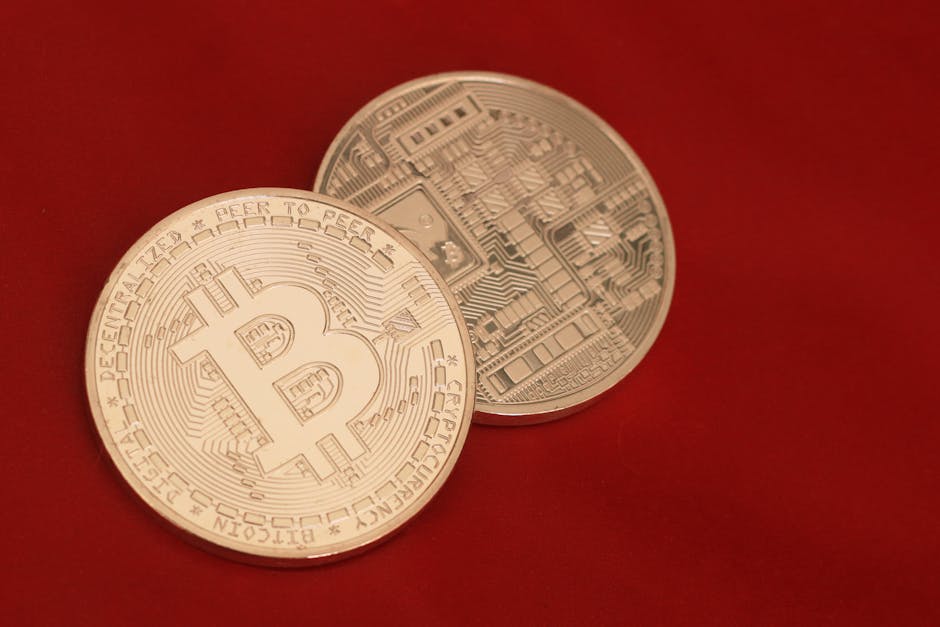
The recent announcement that a major Japanese pension fund plans to allocate part of its investments into cryptocurrencies marks a pivotal moment in the global economic landscape. As traditional investment strategies face mounting pressure from inflation and geopolitical tensions, this move may signify broader acceptance of digital currencies as viable assets for risk management.
Quick Take
| Key Point | Details |
|---|---|
| Institution | Major Japanese Pension Fund |
| Purpose of Allocation | Hedge against dollar risk |
| Market Context | Rising inflation and economic uncertainty |
| Potential Impact | Influence on institutional adoption of crypto assets |
Market Context
The global economy is currently navigating a complex mix of challenges, including rising inflation rates, fluctuating currency values, and geopolitical tensions. The U.S. dollar, often seen as a safe haven, is showing signs of volatility. In light of these factors, institutional investors are increasingly seeking alternative assets, including cryptocurrencies, to diversify their portfolios and mitigate risks associated with fiat currencies.
Japan's pension fund's decision to allocate resources towards crypto isn’t merely a speculative play; it reflects a strategic shift towards protecting its assets against the depreciating value of the dollar. This is particularly relevant given the U.S. Federal Reserve's ongoing monetary policy adjustments, which may further exacerbate inflationary pressures.
SWOT Analysis of the Pension Fund's Decision
Strengths
- Diversification: Allocating to cryptocurrencies allows the pension fund to diversify its investment portfolio, which can reduce overall risk.
- Growth Potential: Cryptocurrencies have shown significant growth potential over the past decade, making them an attractive asset class for long-term investment.
- Hedge Against Inflation: With rising inflation rates, digital assets, especially Bitcoin, are often viewed as a hedge against loss of purchasing power.
Weaknesses
- Volatility: Cryptocurrencies are notoriously volatile, which may pose risks to a pension fund that typically seeks stable returns for its beneficiaries.
- Regulatory Uncertainty: The crypto market is still navigating regulatory challenges, which can impact market stability and investor confidence.
- Limited Historical Data: Unlike traditional assets, cryptocurrencies lack extensive historical performance data, raising concerns about their reliability as a long-term investment.
Opportunities
- Increased Institutional Adoption: This move may encourage other institutional investors to consider cryptocurrencies, potentially leading to a broader acceptance and increased market liquidity.
- Innovation in Financial Products: The entry of traditional finance into the crypto space can spur innovation, leading to new financial products that could benefit investors.
- Global Market Influence: As one of the largest pension funds, its entry into crypto could influence global investment trends, encouraging similar strategies across the globe.
Threats
- Market Manipulation: The crypto market is susceptible to manipulation, which could negatively affect asset prices and investor sentiment.
- Technological Risks: Issues such as hacks or technological failures in blockchain networks can lead to significant financial losses.
- Geopolitical Risks: Ongoing geopolitical tensions can impact currency stability and investor confidence, especially in traditional fiat currencies.
Impact on Investors
The Japanese pension fund's allocation towards cryptocurrencies may signal a shift in the investment landscape, particularly for retail investors. Institutional moves often precede wider market trends, and as more institutions embrace crypto, retail investors may find increased legitimacy in their own investments.
Furthermore, if this trend continues, it could drive demand for cryptocurrencies, potentially leading to higher prices. Investors should be aware, however, that this market's inherent volatility presents substantial risks.
Conclusion
The Japanese pension fund's proactive approach to hedging against dollar risk through cryptocurrency allocation is a critical development that underscores the evolving dynamics within global finance. As institutional acceptance for digital assets continues to rise, the implications for both the crypto market and the broader economy are profound. Investors and market participants should monitor this trend closely, as it may pave the way for new strategies and innovations in asset management. Understanding both the opportunities and the inherent risks will be essential for navigating this complex environment effectively.
By keeping an eye on such developments, stakeholders across the investment spectrum can better position themselves to adapt to the realities of an increasingly digital financial landscape.