 Go Back

Quick Take
| Key Point | Details |
|---|---|
| What Happened | Jerome Powell endorses new stablecoin policies. |
| Key Players | Federal Reserve Chair Jerome Powell; Chair Kevin Warsh. |
| Legislation | The GENIUS Act facilitates regulation of stablecoins. |
| Implications for Crypto Companies | New customer screening requirements for stablecoin users. |
Introduction
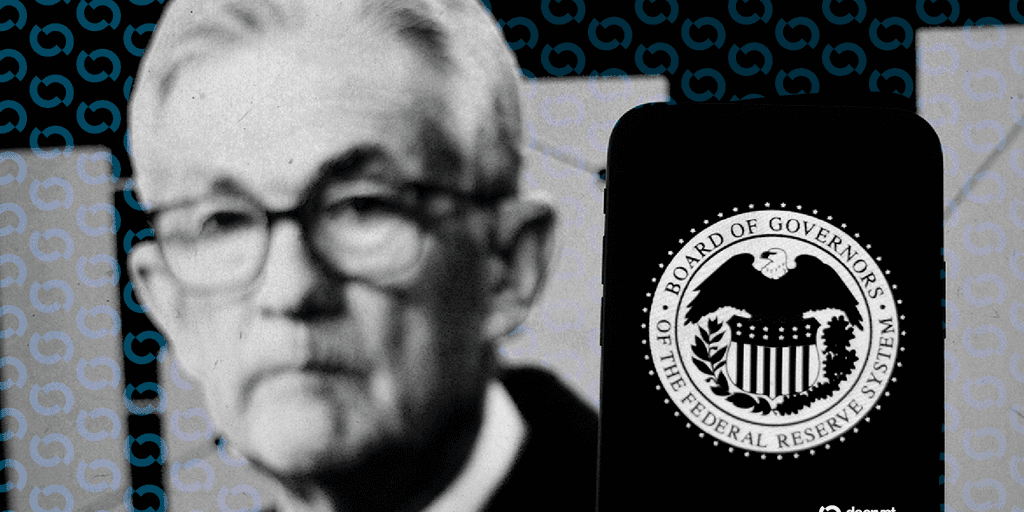
In a significant development for the cryptocurrency landscape, Federal Reserve Chair Jerome Powell has voiced his support for new stablecoin regulations aimed at enhancing the oversight of digital assets. This endorsement comes on the heels of the proposed rulemaking established under the recently passed GENIUS Act, which mandates that U.S. crypto companies implement stringent customer screening measures for stablecoin transactions. However, the situation is not without contention, as Powell's fellow Fed Chair Kevin Warsh has abstained from supporting these measures, raising questions about internal divisions within the Federal Reserve regarding digital currency regulation.
Market Context
The rise of stablecoins has been one of the most pivotal elements in the evolution of the cryptocurrency market. These digital assets, which are typically pegged to traditional currencies like the U.S. dollar, have proliferated due to their utility in various applications, including trading, remittances, and decentralized finance (DeFi). According to recent estimates, the market capitalization of stablecoins has soared to over $150 billion in 2023, reflecting their growing importance in the crypto ecosystem.
As regulators globally have started to take a more active role in overseeing the crypto markets, the U.S. has lagged in implementing comprehensive regulations. The introduction of the GENIUS Act and Powell's endorsement of its stablecoin policies is a crucial step towards establishing a regulatory framework that could provide clearer guidelines for cryptocurrency businesses and enhance consumer protection.
Implications of the GENIUS Act
The GENIUS Act, which stands for the "Getting Electronic Payments and Stablecoins Under Regulation Act," aims to regulate stablecoins by requiring crypto firms to screen their customers rigorously. This move is intended to combat potential illicit activities and protect consumers from risks associated with unregulated digital assets. While proponents of the act argue that this regulation is essential for the legitimacy and growth of the cryptocurrency sector, critics contend that overly stringent rules could stifle innovation and push developers to operate in more favorable jurisdictions abroad.
Key Components of the GENIUS Act
- Customer Verification: Companies will be required to implement Know Your Customer (KYC) protocols for stablecoin transactions.
- Enhanced Reporting: Increased reporting requirements to regulatory bodies to ensure transparency in stablecoin transactions.
- Consumer Protections: Measures to protect consumers from fraud and ensure that stablecoins maintain their pegged value.
Impact on Investors
For investors, the endorsement of stablecoin regulations by Jerome Powell represents both potential opportunities and challenges. On one hand, clearer regulations could foster greater institutional participation in the crypto market, as firms may feel more secure operating within a defined legal framework. This, in turn, could lead to an increase in the adoption of stablecoins for everyday transactions and DeFi applications.
However, the introduction of more stringent compliance requirements could also lead to increased operational costs for crypto companies, which might be passed down to consumers in the form of higher fees. Additionally, if the regulations are perceived as too restrictive, they may deter innovation, pushing developers to seek more favorable jurisdictions outside of the U.S.
The Future of Stablecoin Regulation
As the cryptocurrency market continues to mature, the approach that regulators take towards stablecoins will be critical. The ongoing debate within the Federal Reserve, highlighted by Warsh's abstention from supporting Powell, signals that there may be differing opinions on how best to regulate digital currencies.
Looking ahead, it will be essential for legislators and regulators to strike a balance between ensuring consumer protection and fostering an environment conducive to innovation. The success of the stablecoin market, and by extension the broader cryptocurrency ecosystem, may depend on how effectively these new regulations are crafted and implemented.
In conclusion, while Powell's backing of the Fed's new stablecoin policies marks a step forward for regulatory clarity in the U.S., the abstention of key figures like Kevin Warsh illustrates the complexities and challenges that lie ahead. Investors and crypto companies alike will need to stay abreast of these developments as they evolve, ensuring they are prepared for the changing regulatory landscape.