 Go Back


Kalshi's Margin Trading License: A New Era for Prediction Markets
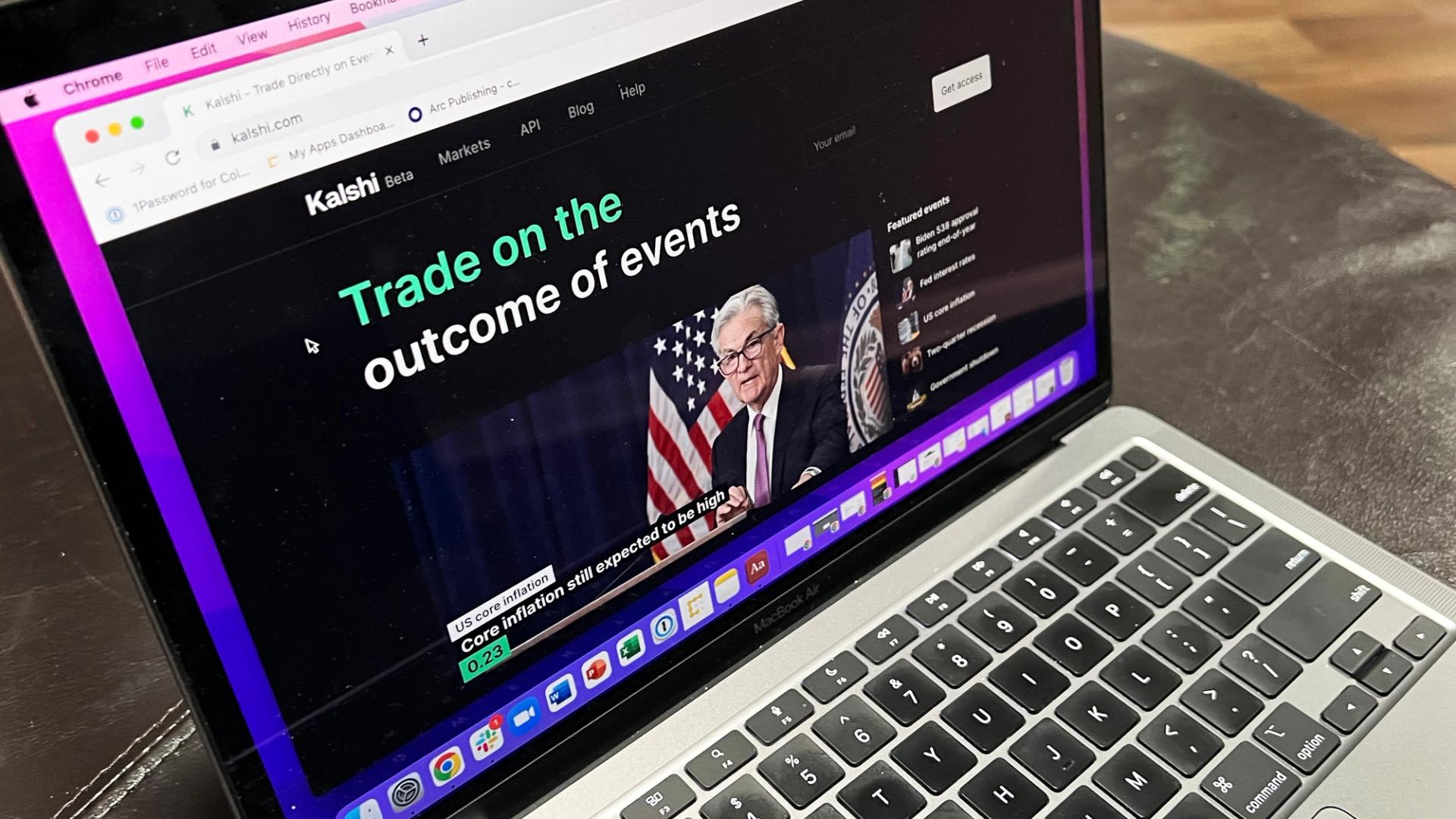
In a notable shift for the prediction market landscape, Kalshi has recently secured a license to offer margin trading to institutional investors. This development is set against a backdrop of increasing trading volumes and investment within the industry, signaling a growing acceptance and sophistication among market participants. This blog explores the implications of this move, its regulatory context, and its potential impact on investors and the broader economy.
Quick Take
| Feature | Details |
|---|---|
| Platform | Kalshi |
| License Type | Margin trading for institutional investors |
| Collateral Requirements | Move from fully collateralized positions |
| Market Trends | Increased trading volumes and investments |
Historical Context of Prediction Markets
Prediction markets, platforms that allow users to wager on the outcome of future events, have traditionally operated under strict collateralization rules. These rules require participants to fully back their positions with capital. This model has served to mitigate risk but also limited the accessibility and potential profits for traders. Kalshi's new margin trading feature represents a significant shift in this paradigm, allowing investors to leverage their positions in ways that were previously unavailable.
The introduction of margin trading could democratize access to prediction markets, enabling institutional investors to participate more actively without the necessity of locking up large sums of capital. This strategy is reminiscent of traditional financial markets, where margin trading has long been a common practice, allowing traders to amplify their exposure and potential returns.
Regulatory Landscape and Compliance Considerations
As Kalshi embarks on this new chapter, it must navigate a complex regulatory environment. Prediction markets in the U.S. have historically faced scrutiny from regulatory bodies like the Commodity Futures Trading Commission (CFTC). Kalshi’s successful acquisition of a trading license suggests that it has met the stringent regulatory requirements set forth by these agencies.
The CFTC's involvement indicates that Kalshi is committed to maintaining compliance with federal regulations, which is crucial for sustaining trust among investors. The ability to offer margin trading also raises questions about risk management and consumer protection. Enhanced measures will likely be necessary to prevent misuse and to safeguard the integrity of the trading process.
Market Context: Increasing Trading Volumes
The backdrop of this license acquisition hinges on a larger trend: the increasing trading volumes within prediction markets. The surge in trading activity can be attributed to several factors:
- Technological Advancements: The rise of blockchain and decentralized finance (DeFi) has made trading more accessible and efficient.
- Increased Institutional Interest: As institutional players explore non-traditional investment avenues, prediction markets present lucrative opportunities.
- Speculative Trading: The volatile nature of current global markets has led many traders to seek alternative investment strategies that offer high upside potential.
Kalshi's margin trading platform may serve to attract even more institutional participants looking to capitalize on these trends.
Impact on Investors
This new feature is poised to have significant implications for investors:
- Accessibility: By allowing margin trading, Kalshi lowers the barriers to entry for institutional investors who may have previously found fully collateralized positions prohibitive.
- Increased Risk: While margin trading can amplify profits, it also introduces heightened risk. Investors could face significant losses if market conditions shift unfavorably.
- Market Dynamics: With more institutional players entering the field, the dynamics of prediction markets could change. Liquidity may improve, but so could volatility, as larger players exert influence over pricing.
- Strategic Opportunities: Investors will need to adapt their strategies to account for the new risks and opportunities that margin trading entails. This includes developing robust risk management practices to navigate the complexities introduced by leverage.
Future Predictions: The Road Ahead for Kalshi and Margin Trading
Looking ahead, the introduction of margin trading by Kalshi signals the potential evolution of prediction markets into a more sophisticated trading arena similar to traditional financial markets. If successful, Kalshi could serve as a blueprint for other platforms in the space, inspiring further regulatory approvals and innovations.
However, the sustainability of this approach will depend on Kalshi's ability to manage risks and maintain compliance in an evolving regulatory landscape. As this sector develops, investors and market participants will need to stay informed about regulatory changes and market trends to navigate the new opportunities and challenges that arise.
In conclusion, Kalshi's margin trading license could significantly reshape the prediction market landscape, presenting both opportunities and risks for institutional investors. As the market adapts, ongoing regulatory scrutiny will be essential to ensuring a fair and robust trading environment.