 Go Back

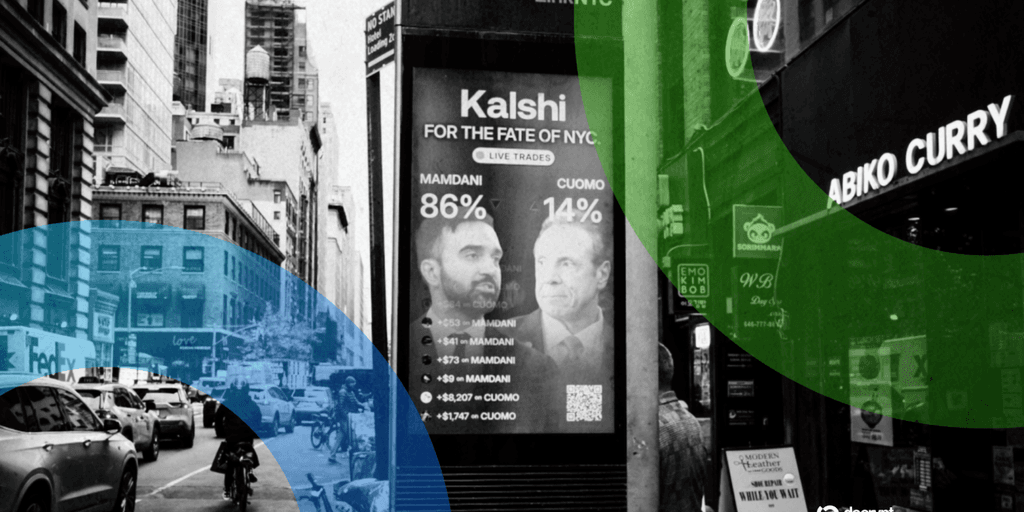
Kalshi Challenges Minnesota's Prediction Market Ban: A Legal Showdown
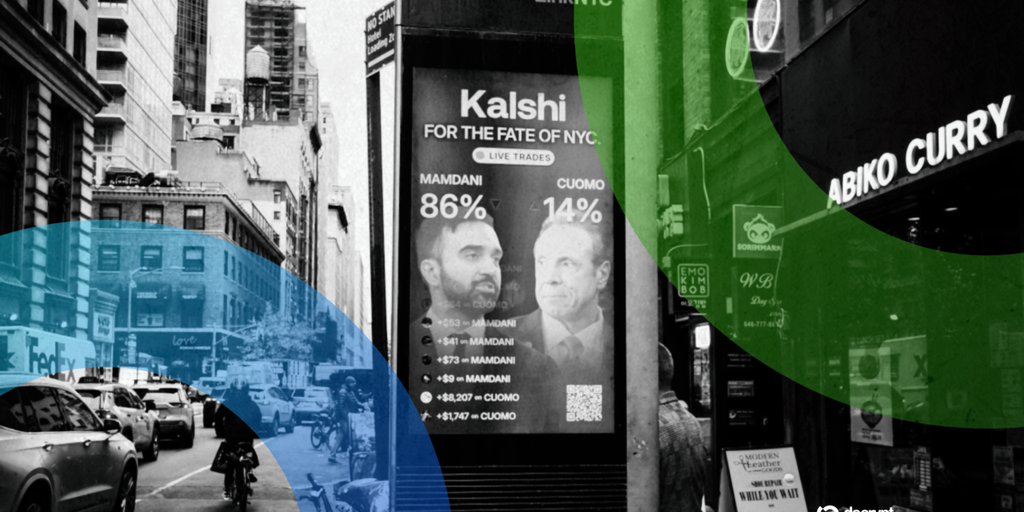
As the world of finance continues to evolve, the emergence of prediction markets is reshaping how we view bets on future events. This week, Kalshi, a leading player in the prediction market space, has taken a significant step by suing to prevent the enforcement of Minnesota's ban on these markets, set to take effect in August. This legal action not only puts Kalshi at the forefront of a regulatory battle but also raises critical questions about the future of prediction markets in the United States and their role in the broader financial ecosystem.
Quick Take
| Event | Details |
|---|---|
| Company Involved | Kalshi |
| Legal Action | Lawsuit against Minnesota |
| Ban Enforcement Date | August 2023 |
| Market Type | Prediction Markets |
Market Context
Prediction markets allow individuals to place bets on the outcomes of future events, ranging from political elections to economic indicators. They operate on the principle that the collective wisdom of the crowd can often predict outcomes more accurately than individual opinions. Kalshi’s platform enables users to trade on the outcomes of specific events, providing a transparent and regulated environment for speculation.
Minnesota's ban on prediction markets represents a significant hurdle for Kalshi, which has positioned itself as a legitimate player in this nascent industry. The case highlights a broader conflict between innovation in financial technologies and existing regulatory frameworks that may not fully understand or accommodate new types of financial products.
Historically, similar bans have sparked legal challenges across the United States. Notably, the rise of online gambling faced resistance in numerous states, but eventual legalization has proliferated in many regions. If Kalshi succeeds in its lawsuit, it could set a precedent for the acceptance of prediction markets in other states and potentially lead to a more favorable regulatory environment nationwide.
SWOT Analysis of Kalshi's Legal Challenge
Strengths
- Innovative Product Offering: Kalshi is pioneering a new financial instrument that could attract a diverse user base interested in speculative betting.
- Regulatory Compliance: By positioning itself within the regulatory framework, Kalshi has built credibility in a market often viewed with skepticism.
- Market Demand: Growing interest in prediction markets suggests significant consumer appetite for new trading mechanisms, especially in volatile economic times.
Weaknesses
- Dependency on State Regulations: Kalshi’s growth is heavily dependent on the regulatory landscape, which can vary widely across different jurisdictions.
- Legal Costs: The ongoing lawsuit could incur substantial legal fees, which may strain financial resources.
- Public Perception: There is still a degree of stigma associated with betting markets, which could deter potential users.
Opportunities
- Expansion into Other States: A favorable court ruling could pave the way for Kalshi to expand its services into states currently prohibiting prediction markets.
- Investment and Partnerships: Success in this legal endeavor may attract additional investment and partnerships within the fintech space.
- Educational Outreach: Kalshi could launch initiatives to educate the public and lawmakers on the benefits and mechanics of prediction markets, improving acceptance and understanding.
Threats
- Potential for More Regulations: As prediction markets gain traction, there is a risk of increased regulatory scrutiny that could stifle innovation.
- Market Competition: Other platforms may emerge, leading to increased competition and price wars in a nascent market.
- Economic Instability: Broader economic challenges could affect market participation and liquidity, impacting Kalshi's business model.
Impact on Investors
For investors, the unfolding situation in Minnesota is not just a regulatory challenge but an opportunity to observe how new financial products align with existing legal frameworks. If Kalshi's lawsuit leads to a reversal of the ban, it could open a floodgate of investment into prediction markets as both retail and institutional investors look to capitalize on new opportunities.
Moreover, the outcome of this legal battle may affect investor confidence in similar platforms. A successful challenge could inspire more innovative financial products, while a failure may dissuade potential entrants into the prediction market space.
Future Predictions
As the legal proceedings unfold, it remains to be seen how this will impact the future landscape of prediction markets in the U.S. Should Kalshi prevail, we might expect other states to reconsider their stances on prediction markets, leading to a more standardized regulatory framework. Conversely, if the ban is upheld, it could lead to a chilling effect on the growth of prediction markets, hindering innovation in a space that many believe has vast untapped potential.
In conclusion, Kalshi's lawsuit against Minnesota is a pivotal moment for prediction markets, encapsulating broader discussions about regulation, innovation, and consumer choice in the financial sphere. As stakeholders watch closely, the outcome will undoubtedly shape the future of this emerging market segment.