 Go Back


Kanga's MiCA License: A New Era for EU Crypto Services
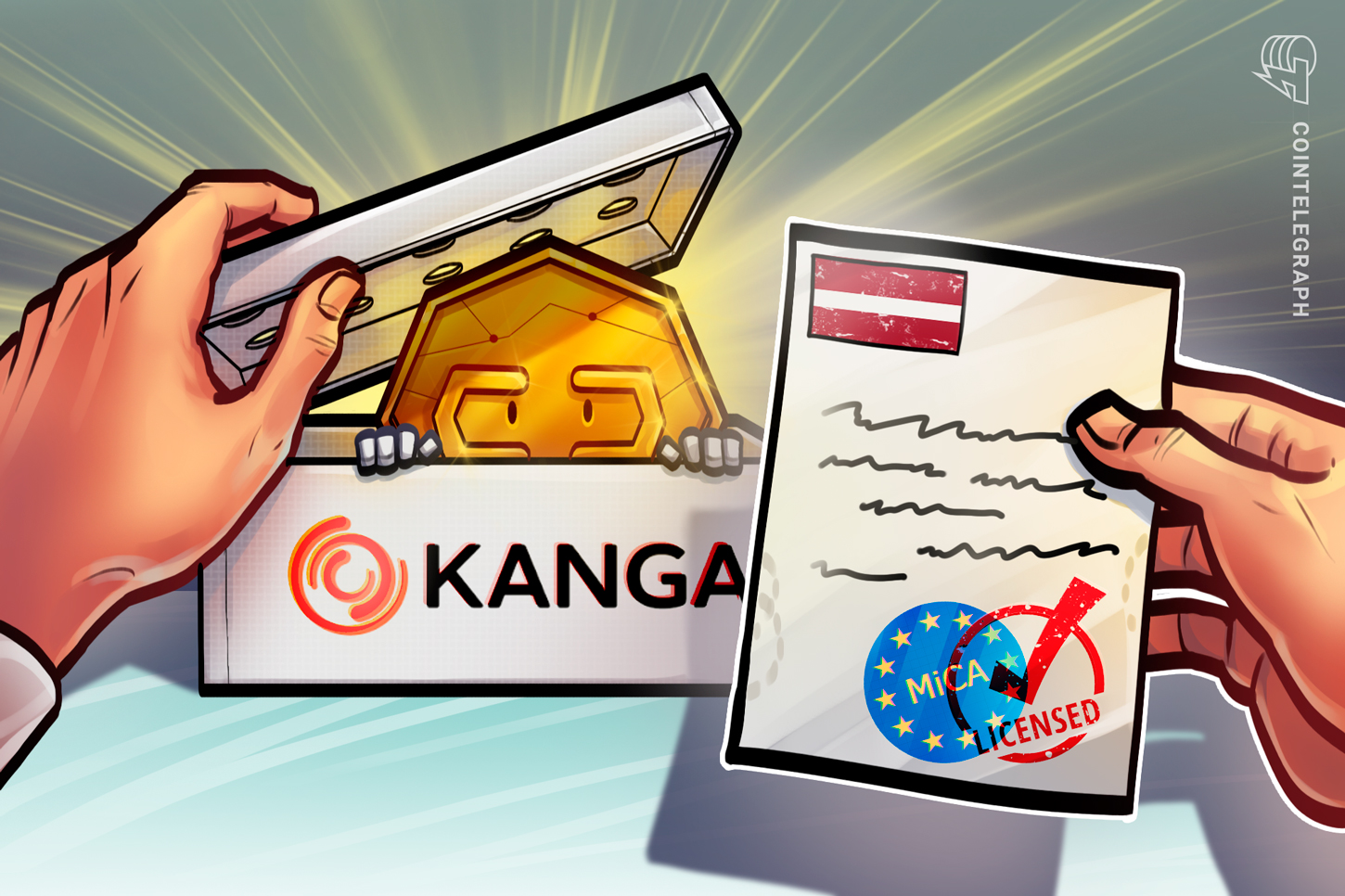
Poland-founded crypto exchange Kanga has recently achieved a significant milestone by securing a Class 3 MiCA (Markets in Crypto-Assets) license in Latvia. This development not only allows Kanga to extend its services across the European Union but also indicates a broader regulatory acceptance of cryptocurrencies within the region. As Polish lawmakers are actively debating the implementation of this framework, the implications of Kanga's license could resonate deeply in the EU's crypto landscape.
Quick Take
| Aspect | Details |
|---|---|
| Company | Kanga |
| Location | Latvia |
| License Type | Class 3 MiCA License |
| Market Impact | Enables EU-wide crypto services |
| Regulatory Context | Polish lawmakers debating MiCA framework |
The Good: Opportunities for Kanga and the EU Market
Kanga's acquisition of the MiCA license is a pivotal achievement for the exchange. This license enables Kanga to provide a wide range of crypto services to users across EU member states, fostering cross-border transactions and enhancing liquidity. The MiCA framework, designed to promote innovation while ensuring consumer protection, is set to streamline the regulatory environment for crypto businesses.
Expanding Market Reach
The newfound license positions Kanga to tap into a growing market of crypto enthusiasts and institutional investors in Europe. By offering compliant services, Kanga can attract a wider user base, increasing trading volumes and potentially boosting revenues. The positive regulatory environment provided by MiCA may also encourage other exchanges to pursue licenses, leading to a more competitive and robust crypto market within the EU.
Consumer Protection and Trust
The MiCA framework emphasizes consumer protection, which is crucial for increasing trust in the crypto space. Users are becoming increasingly cautious about where they invest their money. With Kanga now operating under stricter regulations, customers can feel more secure when trading on the platform, which could result in higher user retention and satisfaction.
The Bad: Regulatory Challenges Ahead
While Kanga's MiCA license opens numerous doors, it also presents challenges that cannot be overlooked. As regulatory scrutiny increases, Kanga and other exchanges will have to navigate a complex landscape of compliance requirements.
Compliance Costs
The obligations associated with holding a MiCA license may impose significant compliance costs on Kanga. This could lead to higher operational expenses, which may affect the exchange's pricing strategies. If not managed wisely, these costs could eat into profits and limit Kanga's ability to remain competitive against unregulated platforms.
Regulatory Evolution
As Kanga adapts to the new regulations, the regulatory framework itself is still evolving. Policymakers are continually refining the MiCA guidelines based on market feedback and developments in the crypto space. Continuous changes might lead to uncertainties for Kanga and its counterparts as they adapt to new laws and regulations, which could hinder strategic planning and growth.
The Ugly: Market Risks and Investor Sentiment
Despite the positive aspects of Kanga's MiCA license, the crypto market is notorious for its volatility and unpredictable nature. Investors should tread cautiously, as market sentiment can shift rapidly.
Market Volatility
The cryptocurrency market is influenced by various external factors, including economic conditions, technological advancements, and regulatory changes. Any adverse events could lead to sharp declines in trading volumes, impacting Kanga's performance. Investors must remain vigilant and be prepared for market fluctuations that might arise from geopolitical tensions or changes in monetary policy.
Sentiment Towards Regulation
While regulatory frameworks like MiCA can be beneficial, they can also lead to negative sentiment among crypto purists who view regulation as an overreach. This sentiment could affect Kanga's reputation within certain segments of the crypto community, potentially limiting its growth opportunities.
Market Context
The establishment of the MiCA framework is a response to the rapid growth of the cryptocurrency sector, which has outpaced regulatory guidelines in many jurisdictions. The EU aims to create a cohesive regulatory environment that accommodates innovation while safeguarding investor interests. Other nations outside the EU are also watching closely, and their regulatory approaches may adapt in response to the EU's strategy.
Kanga's decision to secure a MiCA license in Latvia reflects a proactive approach to compliance, positioning itself as a frontrunner in the evolving European crypto market. As other exchanges look to follow suit, the competitive landscape is likely to become more dynamic.
Impact on Investors
For investors, Kanga's MiCA license is a double-edged sword. On one hand, the license symbolizes increased legitimacy and safety in trading, potentially attracting more institutional investors who prioritize compliance. On the other hand, the associated costs and regulatory burdens could impact returns in the short term.
Investors should consider the long-term benefits of regulatory compliance alongside the immediate challenges. The establishment of a trustworthy and compliant exchange could lead to sustained growth and stability in the market, ultimately benefiting investors through enhanced asset protection and market integrity.
Final Thoughts
The acquisition of a MiCA license by Kanga is a significant step forward for both the exchange and the European crypto landscape. While challenges and risks remain, the potential for growth and increased investor confidence is promising. As Kanga navigates this regulatory framework, its success could set a precedent for future crypto endeavors in Europe, reinforcing the importance of compliance in fostering a safe and innovative market.