 Go Back

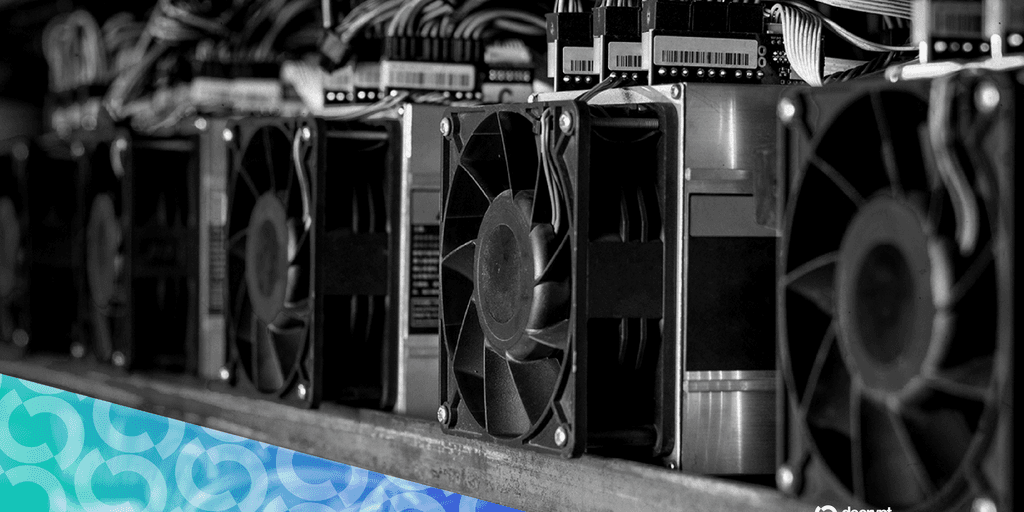
Keel and Hive’s Shift: Bitcoin Mining to AI – A Macro Perspective
The landscape of Bitcoin mining is undergoing a significant transformation as two notable players, Keel (formerly Bitfarms) and Hive, pivot from their traditional business models towards artificial intelligence (AI). This shift not only signifies a response to evolving market dynamics but also highlights the broader implications for the cryptocurrency ecosystem and the global economy. In this blog post, we delve into the details of this transition, exploring the opportunities it presents and the challenges it introduces.
Quick Take
| Key Highlights | Details |
|---|---|
| Recent Funding | Hive raised $115 million |
| Facility Sale | Keel sold a mining facility |
| Industry Shift | Move from Bitcoin mining to AI |
| Market Implication | Reflects macroeconomic trends |
The Good: Embracing New Opportunities
The decision by Hive to raise $115 million indicates a strong vote of confidence in the AI sector. As businesses across various industries increasingly adopt AI technology, companies that can position themselves at the intersection of blockchain and AI stand to gain significantly.
Diversification: By pivoting towards AI, both Keel and Hive are diversifying their revenue streams. Given the volatility often associated with cryptocurrency markets, this diversification can provide more stability and growth potential.
Market Growth: The AI sector is projected to grow exponentially, with applications ranging from data analytics to automation. Mining companies that adapt to include AI capabilities could harness this growth, thereby enhancing their market position.
Technological Synergies: Integrating AI with blockchain technology may lead to innovative solutions that enhance efficiency, reduce operational costs, and improve decision-making processes. For instance, AI can optimize mining operations or validate transactions more efficiently.
The Bad: Risks of Transition
While the shift to AI presents numerous opportunities, it is not without its challenges.
Resource Allocation: Transitioning from Bitcoin mining to AI requires substantial investment in new technologies and talent. Companies may face hurdles in reallocating resources effectively, potentially leading to operational inefficiencies in the short term.
Market Competition: The burgeoning AI sector is highly competitive, with tech giants and startups alike vying for market share. New entrants like Keel and Hive must establish credibility and a unique value proposition to compete against established players.
Regulatory Scrutiny: As these companies pivot towards AI, they may encounter new regulatory frameworks that could impact their operations. Navigating these regulations is crucial to ensure compliance and avoid potential sanctions.
The Ugly: Implications for Bitcoin Mining
The trend of established Bitcoin mining companies moving towards AI raises concerns about the future of Bitcoin mining itself.
Decreased Investment: As more companies divert resources to AI, the overall investment in Bitcoin mining may diminish, potentially leading to decreased hash rates and increased transaction times. This could undermine Bitcoin's position as a leading cryptocurrency.
Market Sentiment: Investors may interpret the shift as an indication that Bitcoin mining is becoming less viable, which could negatively impact market sentiment. A perception that major players are abandoning traditional mining could lead to price fluctuations.
Energy Consumption: Bitcoin mining is already criticized for its environmental impact. If mining operations decline, the focus might shift towards sustainable AI solutions, further exacerbating the narrative surrounding Bitcoin’s energy consumption.
Market Context: The Broader Economic Landscape
The current macroeconomic environment plays a significant role in this transition. As central banks worldwide implement policies to combat inflation, industries are forced to adapt. The shift from Bitcoin mining to AI by companies like Keel and Hive can be viewed as a proactive response to these economic pressures.
Inflation and Investment Shifts: Rising inflation rates have investors seeking more stable and high-growth opportunities. AI represents a sector that is less susceptible to the cyclical nature of crypto markets.
Technological Advancements: The rapid evolution of AI technology has opened avenues that were previously unimaginable. Companies that adapt quickly to leverage these advancements are likely to thrive in a challenging economic environment.
Geopolitical Factors: Ongoing geopolitical tensions can affect energy prices and, consequently, Bitcoin mining operations. By diversifying into AI, companies can mitigate risks associated with energy supply disruptions.
Impact on Investors
Investors should closely monitor these developments as the shift from Bitcoin mining to AI can have varying implications:
- Portfolio Diversification: Investors may consider diversifying their portfolios to include companies focusing on AI, particularly those transitioning from traditional sectors.
- Risk Assessment: With increased volatility in the cryptocurrency market, investing in companies that can pivot effectively may provide a buffer against market downturns.
- Long-Term Outlook: The long-term success of this transition will depend on how well these companies can implement AI technologies and capture market share in a competitive landscape.
In summary, the movement of Keel and Hive from Bitcoin mining to AI signifies a pivotal moment in both the cryptocurrency and tech sectors. While this transition presents remarkable opportunities, it also carries risks that must be carefully navigated. Investors and industry stakeholders alike must remain vigilant as these trends continue to unfold, shaping the future of blockchain technology and its intersection with artificial intelligence.