 Go Back


Kevin O'Leary: Tokenization Boom Needs Clear Crypto Regulations
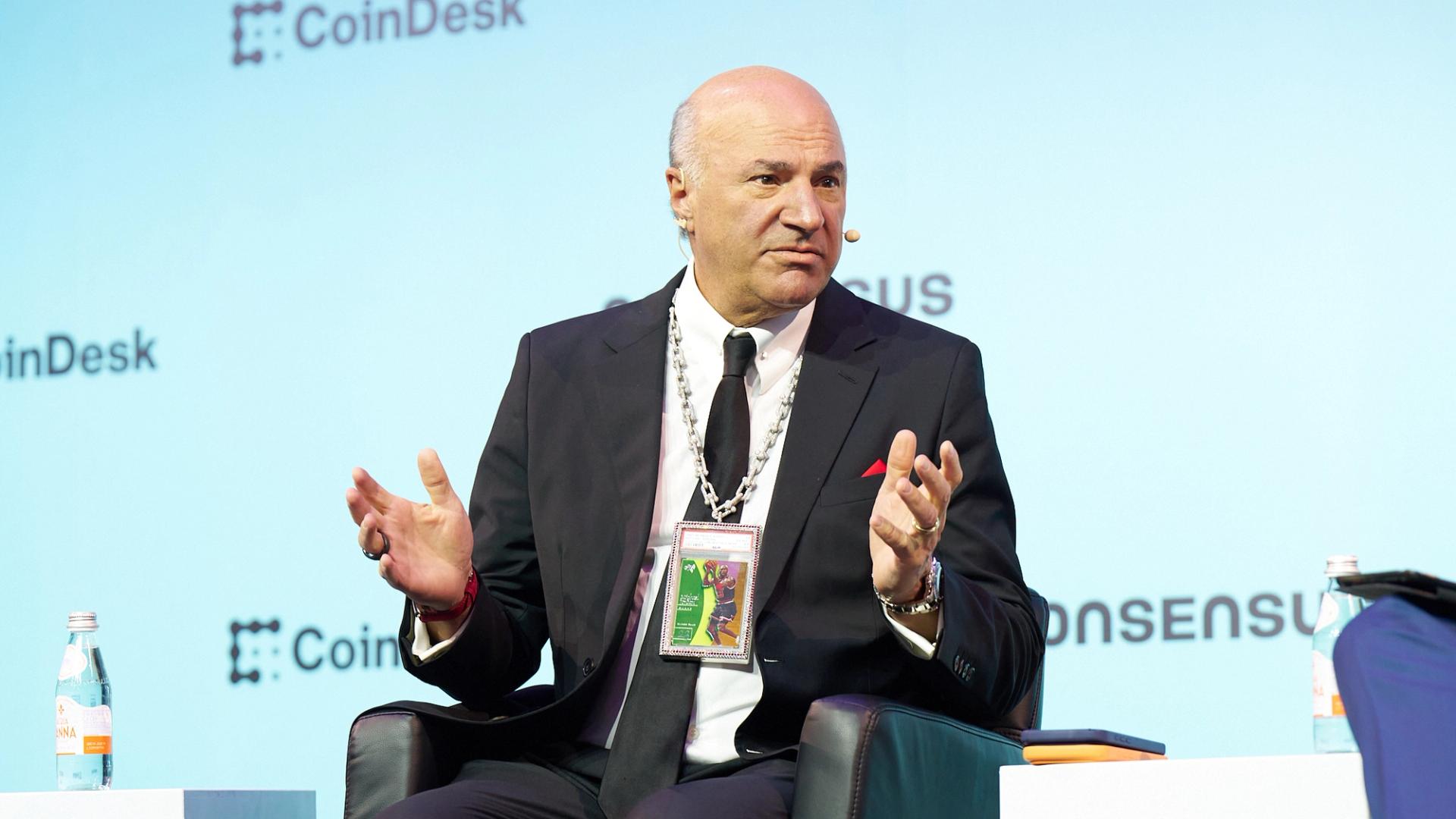
Kevin O'Leary, a prominent investor and entrepreneur, has recently raised concerns regarding the ongoing tokenization boom on Wall Street. According to O’Leary, institutional investors perceive tokenization as a high-risk venture due to the absence of definitive regulatory frameworks in the United States. This sentiment echoes a broader uncertainty within the financial sector, impacting decisions around digital assets and tokenized securities.
Quick Take
| Point of Discussion | Details |
|---|---|
| Key Player | Kevin O'Leary |
| Main Concern | Lack of clear crypto regulation |
| Impact on Institutional Investors | Increased perceived risk |
| Future of Tokenization on Wall Street | Dependent on regulatory clarity |
Why the Tokenization Boom Matters
The tokenization of assets—transforming physical and non-physical assets into digital tokens on a blockchain—promises to revolutionize the financial landscape. By creating a more accessible, transparent, and efficient market, tokenization can unlock liquidity and enable fractional ownership. This can potentially democratize investment opportunities, allowing everyday investors to gain access to high-value assets that were previously out of reach.
However, as O'Leary emphasizes, the lack of regulatory clarity is stifling this innovation. Without a clear legal framework to guide tokenization processes, institutional investors remain hesitant to engage. This apprehension can hinder the growth of tokenized products and blockchains in the traditional finance system.
Market Context
Historically, the evolution of financial markets has been closely tied to regulatory frameworks. The introduction of regulations has often paved the way for new financial products and innovations. For instance, the Securities Act of 1933 laid the groundwork for modern securities trading, protecting investors while fostering market growth.
In the context of cryptocurrency and tokenization, the regulatory landscape remains fragmented. The U.S. Securities and Exchange Commission (SEC) has been active in scrutinizing the crypto space but has yet to establish comprehensive guidelines that address the unique characteristics of tokenized assets. This ambiguity contributes to a climate of uncertainty, causing institutional investors to approach tokenization with caution.
Impact on Investors
The hesitance from institutional investors has profound implications for the crypto market at large. Here are some possible outcomes of the current regulatory environment:
Market Volatility: Continued uncertainty can lead to increased volatility, affecting both institutional and retail investors. The lack of solid legal frameworks can result in erratic price movements as market participants react to rumors and regulatory news.
Innovation Stifling: Startups focused on tokenization may struggle to attract investment, limiting the development of new technologies and services within the blockchain space. This stagnation can delay the promise of tokenization to unlock liquidity and broaden asset classes available to investors.
Increased Compliance Costs: For existing businesses looking to enter the tokenization space, navigating the complex regulatory landscape can lead to increased compliance costs. These costs may deter potential players from developing tokenized solutions, hampering industry growth.
Shift in Market Dynamics: As institutional investors remain on the sidelines, the dynamics of the market may shift towards more retail-focused projects. This change may lead to higher speculative behavior and could foster a bubble in the absence of sound fundamentals.
Long-Term Opportunities: Conversely, the eventual establishment of a clear regulatory framework could serve as a catalyst for the tokenization market. Once regulations are in place, institutional investors may flood back into this space, driving innovation and the development of new tokenized investment vehicles.
Future Predictions
Looking ahead, the future of tokenization on Wall Street hinges on how effectively regulators address the current challenges. Here are a few scenarios to consider:
Scenario A: Proactive Regulation: If the SEC and other regulatory bodies take a proactive stance in developing comprehensive guidelines, we may witness a surge in institutional adoption of tokenized assets, leading to a more integrated financial landscape.
Scenario B: Continued Ambiguity: Should regulators remain indecisive, the tokenization market might continue to languish as institutional investors choose to stay on the sidelines, leaving the landscape dominated by less regulated and potentially riskier projects.
Scenario C: Global Standards: The international response to crypto regulation could influence U.S. policies. If other countries develop standardized frameworks that encourage tokenization, U.S. regulators may feel pressured to follow suit to remain competitive in the global financial arena.
Ultimately, the dialogue surrounding tokenization and regulatory frameworks is vital for the long-term health of the crypto market. As Kevin O'Leary points out, creating a safe and compliant environment may be the key to unlocking the potential of tokenization, allowing it to live up to its promise as a transformative force in finance.