 Go Back

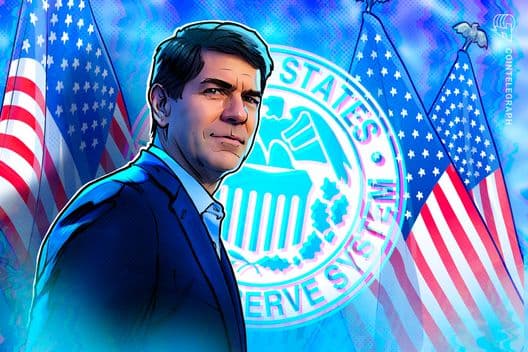
Quick Take
| Event | Details |
|---|---|
| Confirmation Date | Recent Senate Vote |
| New Role | Federal Reserve Governor |
| Political Context | Largely partisan confirmation |
| Key Concerns | Independence of the Fed |

The recent confirmation of Kevin Warsh to the Federal Reserve's Board of Governors marks a pivotal moment in U.S. monetary policy. As the Senate's decision came with considerable partisan division, it underscores the broader tension surrounding the independence of the Federal Reserve and its implications for both domestic and global economies.
Market Context
Warsh's confirmation arrives during a critical juncture in U.S. economic policy. With inflation remaining a significant issue and the economy showing signs of strain, the direction set by the Federal Reserve can have far-reaching consequences. Historically, the Fed has aimed to balance inflation control with economic growth, a tightrope walk that becomes increasingly precarious during politically charged periods.
Warsh's previous experience in finance and his tenure as a Fed governor provide him with a nuanced understanding of the complexities involved in monetary policy. However, his confirmation amidst partisan disagreements raises questions about the Fed's operational independence. Critics have pointed out that such divisions could lead to a politicization of monetary policy, potentially undermining the credibility of the Fed during times of economic uncertainty.
SWOT Analysis
To understand the implications of Warsh’s confirmation, it is useful to conduct a SWOT analysis:
Strengths
- Experienced Background: Warsh has a solid understanding of monetary policy and financial markets, which positions him well to navigate the complexities of the current economic environment.
- Potential for Innovation: His past roles suggest he may advocate for innovative monetary strategies that could enhance economic resilience.
Weaknesses
- Partisan Divide: The contentious nature of his confirmation may hinder collaborative efforts within the Fed, potentially leading to a fragmented approach to policy-making.
- Public Perception: Concerns over the independence of the Fed could erode public trust in the institution, complicating future policy initiatives.
Opportunities
- Addressing Inflation: Warsh's tenure presents an opportunity to tackle ongoing inflation issues with fresh perspectives and approaches.
- Global Influence: As the Fed plays a crucial role in global markets, Warsh's policies could influence international financial trends, especially in emerging markets.
Threats
- Political Pressure: Increased political scrutiny may lead to erratic monetary policy decisions, impacting market stability.
- Economic Volatility: If Warsh's policies do not stabilize inflation or stimulate growth, it could result in heightened economic volatility and investor uncertainty.
Impact on Investors
The confirmation of Warsh is particularly relevant for investors, as the direction of U.S. monetary policy will directly influence interest rates, asset prices, and market sentiment. Investors will need to closely monitor Warsh's stance on key issues, such as inflation targets and interest rate adjustments. Given the current economic context, an aggressive approach to interest rate hikes could stabilize inflation but might also slow economic growth, impacting equities and broader investment strategies.
Additionally, the potential for increased volatility in the financial markets looms large. Investors who position their portfolios with an eye on geopolitical events and Federal Reserve actions are likely to fare better in these uncertain times. Keeping abreast of Warsh’s policy sentiments could be key to navigating the investment landscape in the months ahead.
Conclusion
Kevin Warsh's confirmation to the Federal Reserve Board represents a critical shift in U.S. monetary policy amidst a backdrop of partisan disagreement and economic uncertainty. As he steps into this influential role, the implications of his policies will resonate far beyond U.S. borders, affecting global markets and investors alike. This ongoing evolution within the Fed also serves as a reminder of the delicate balance between political influences and the fundamental economic principles that guide monetary policy. Investors and market participants must remain vigilant as these developments unfold.