 Go Back

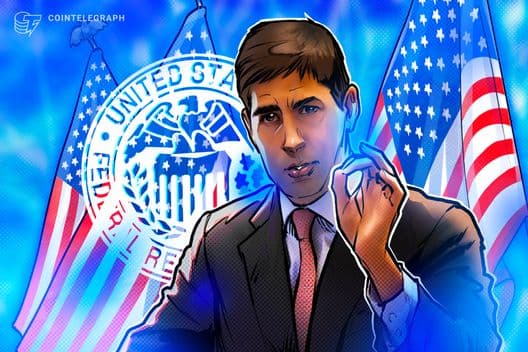
Kevin Warsh Takes Fed Chair: Implications for Interest Rates and Crypto
The recent swearing-in of Kevin Warsh as the new chair of the Federal Reserve signals a potentially transformative phase for U.S. monetary policy and its subsequent impact on various assets, including cryptocurrencies. Given that traders forecast no chance of a rate cut in 2026, it's crucial to analyze what this means for the market, investors, and the broader economic landscape.

Quick Take
| Key Factors | Details |
|---|---|
| New Fed Chair | Kevin Warsh |
| Current Interest Rate Forecast | No cuts expected by 2026 |
| Trump’s Position | Wants lower rates |
| Market Sentiment | Wait-and-see approach |
What Does Warsh's Appointment Mean for the Federal Reserve?
Kevin Warsh's background includes significant experience in academia and finance, having served as a member of the Federal Reserve Board of Governors from 2006 to 2011. His views on monetary policy have often emphasized the necessity of maintaining a balance between inflation control and economic growth. As such, his leadership could indicate a shift toward a more cautious approach to rate adjustments.
Warsh's appointment comes during a period of relative economic stability, yet inflation remains a concern among policymakers and economists. His past advocacy for transparency and communication underscores the need for the Fed to clearly articulate its policies, particularly in a time when economic indicators can often be misleading.
Market Context
Historically, the Federal Reserve's decisions on interest rates have profound impacts not only on traditional markets but also on the cryptocurrency space. Lower interest rates generally encourage borrowing, which can spur investments in riskier assets, including crypto. Conversely, higher interest rates often lead to a tightening of liquidity in the markets, as investors tend to seek safer investments, thereby cooling the enthusiasm around speculative assets like Bitcoin and Ethereum.
Currently, the sentiment among traders is largely pessimistic about the possibility of interest rate cuts in the near future, with forecasts firmly suggesting that rates will remain elevated through at least 2026. This signals a potential challenging environment for speculative investments. If Warsh leans towards stricter monetary policies to combat inflation, the crypto market could face significant headwinds.
Impact on Investors
1. Investor Sentiment and Crypto Volatility
The skepticism surrounding future rate cuts could lead to increased volatility in cryptocurrency prices. Investors could react to Fed announcements with heightened sensitivity, causing rapid price fluctuations. This means that traders need to be more astute, particularly in recognizing patterns linked to macroeconomic indicators.
2. Shift to Institutional Investment
As interest rates rise, institutions might reconsider their exposure to cryptocurrencies. Higher interest on traditional investments, like government bonds, could make them more attractive compared to the risk associated with digital assets. This shift could lead to a diminished inflow of institutional capital into the crypto markets, slowing down growth and innovation.
3. Long-Term Strategy
For long-term investors, the focus should not solely be on short-term price fluctuations but rather on the underlying value and utility of crypto assets. The institutional adoption of blockchain technologies and digital currencies may result in sustained interest despite high-interest hurdles. Investors should consider diversifying their portfolios to hedge against potential downturns resulting from tighter monetary policies.
The Future of Interest Rates and Cryptocurrencies
With Warsh at the helm, the future trajectory of U.S. interest rates is uncertain but likely to be characterized by a cautious approach. The overarching message is clear: investors in the cryptocurrency space should prepare for a prolonged period of high rates. This environment will likely necessitate strategic adjustments, focusing on long-term fundamentals rather than speculative bubbles.
As the landscape evolves, it's essential for investors to stay informed about macroeconomic indicators and Fed announcements. By doing so, they can better navigate the complexities of both traditional and digital asset markets in the years to come.
Understanding the intricate relationship between Federal Reserve policies and the cryptocurrency market will be crucial as we look ahead to 2026 and beyond. With Warsh's leadership, the potential for a more stabilized yet cautiously optimistic market environment remains.