 Go Back

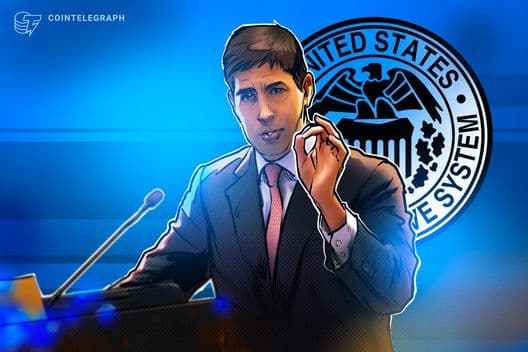
The Macroeconomic Implications of Kevin Warsh's Nomination as Fed Chair
Kevin Warsh's recent confirmation hearing has sparked significant debate in economic circles, particularly regarding his financial disclosures that exceed $100 million. The hearing, characterized by intense questioning from lawmakers, including Senator Elizabeth Warren, highlights the potential conflicts of interest that could arise if Warsh assumes the role of Chair of the Federal Reserve. With a backdrop of rising inflation and interest rates, understanding the macroeconomic implications of this nomination is crucial.

Quick Take
| Aspect | Details |
|---|---|
| Nominee | Kevin Warsh |
| Financial Disclosure | Over $100 million |
| Key Questioner | Senator Elizabeth Warren |
| Main Concerns | Conflicts of interest, independence of Fed |
| Economic Context | Rising inflation rates, potential interest rate hikes |
The Good: Potential Benefits of Warsh's Nomination
Kevin Warsh's extensive background in finance and economics may provide the Federal Reserve with a much-needed infusion of experienced leadership. Having served as a governor at the Federal Reserve, Warsh understands the complex interplay of monetary policy and market dynamics. His familiarity with the institution could lead to more effective monetary policy decisions, particularly in times of economic turmoil.
Additionally, Warsh's connections in the financial world could enhance communication between the Fed and financial markets. This could lead to smoother monetary policy transitions and less market volatility, as investors could gain more insight into the Fed's decision-making process. His push for transparency may also foster greater trust among market participants.
The Bad: Conflicts of Interest and Independence Concerns
Despite the potential benefits, Warsh's financial disclosures raise red flags about conflicts of interest. With over $100 million in financial interests, critics argue that his ability to make unbiased decisions as Fed Chair could be compromised. The concern is not just theoretical; the Fed’s credibility hinges on its independence from political and financial pressures.
Furthermore, the Senate’s scrutiny of Warsh reflects a broader trend of increased vigilance regarding potential conflicts in high-level government positions. As the Fed grapples with rising inflation, any sign of impropriety or self-interest could undermine public confidence in the institution’s ability to act in the national interest.
The Ugly: Market Reactions and Long-Term Implications
Market reactions to Warsh's nomination have been mixed. On one hand, some investors view his appointment as a stabilizing force that could lead to more predictable monetary policy. On the other hand, uncertainty surrounding his potential conflicts could lead to increased volatility in financial markets, particularly if investors fear that Warsh's decisions may be influenced by his personal financial interests.
Long-term implications of Warsh's nomination could be significant. If he is confirmed, the Fed may face heightened scrutiny in its decision-making processes, particularly regarding interest rate policies. The expectation of potential rate hikes to combat inflation could intensify, leading to a more cautious approach by investors.
Market Context
Current macroeconomic conditions are under immense scrutiny, with inflation rates rising at a pace not seen in decades. Investors are on edge, watching for signals from the Fed on how it plans to combat these economic challenges. If Warsh is confirmed, his stance on interest rates and inflation will be critical in shaping market expectations.
As the financial markets navigate these turbulent waters, every decision made by the Fed will carry increased weight. The potential for Warsh’s financial interests to affect his policy decisions could lead to a lack of confidence among investors, further complicating the already uncertain economic landscape.
Impact on Investors
For investors, the implications of Warsh's confirmation are profound. If investors perceive that Warsh’s financial interests may conflict with his responsibilities at the Fed, it could lead to a sell-off in stocks and a flight to safer assets like bonds or commodities. Additionally, concerns over the Fed’s independence may drive up volatility as markets react to any perceived misalignment of interests.
In summary, while Kevin Warsh's nomination as Fed Chair could bring experienced leadership to the Federal Reserve, the potential for conflicts of interest raises significant concerns. Investors must stay vigilant as the situation unfolds, weighing the implications of Warsh's financial disclosures against the backdrop of rising inflation and market volatility.
As the confirmation process continues, stakeholders will be keenly watching how Warsh navigates these challenges and what it ultimately means for the broader economy.