 Go Back

KuCoin Australia Partners with Mastercard: A Regulatory Shift
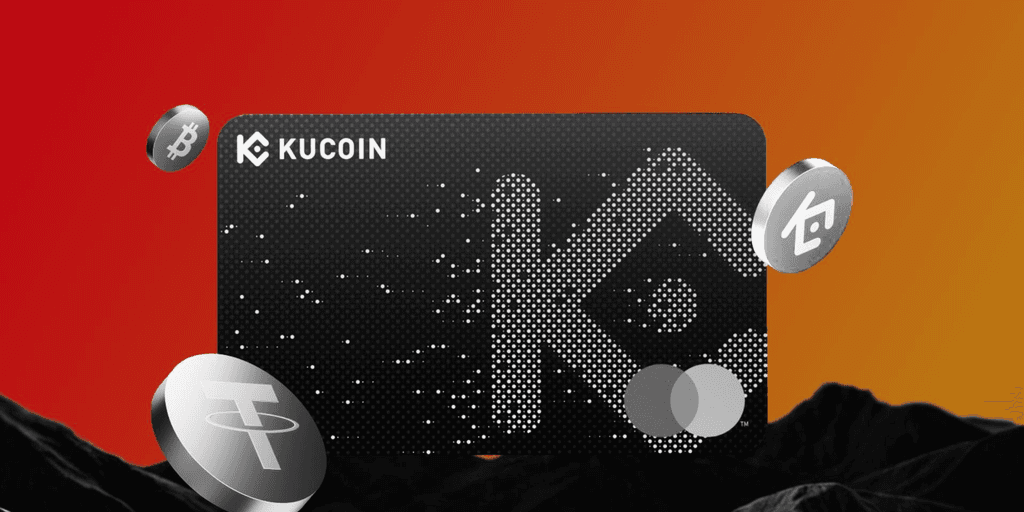
The cryptocurrency landscape is witnessing a seismic shift as regulated platforms like KuCoin Australia take significant strides toward mainstream adoption. With their recent rollout of the KuCard, allowing users to make seamless payments at Mastercard merchants using USDC, the exchange is not only enhancing user experience but also signaling a broader regulatory focus within the crypto ecosystem. 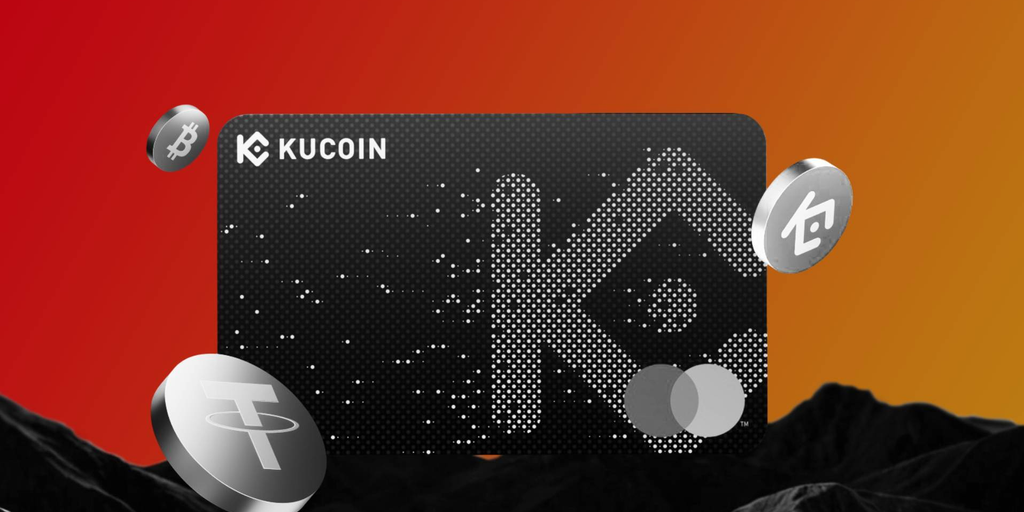
Quick Take
| Feature | Details |
|---|---|
| Partnership | KuCoin Australia & Mastercard |
| Product | KuCard for USDC payments |
| Market Impact | Enhanced usability of crypto in everyday life |
| Regulatory Aspect | Compliance with local financial regulations |
The Good: A Step Towards Integration
The introduction of the KuCard signifies a pivotal moment in digital currency integration into everyday transactions. Users can now utilize USDC, a stablecoin pegged to the U.S. dollar, providing a level of consistency and reliability in transactions. This partnership with Mastercard not only legitimizes the use of cryptocurrencies in conventional business environments but also enhances consumer confidence in using digital assets for purchases.
Furthermore, this move by KuCoin Australia reflects a growing trend among exchanges embracing regulatory compliance. By aligning with established financial entities like Mastercard, KuCoin is demonstrating that the crypto industry can play well within the bounds of traditional finance, paving the way for further collaborations that could foster the legitimacy of cryptocurrencies in global markets.
The Bad: Challenges Ahead
While the KuCoin-Mastercard partnership seems promising, challenges remain. Regulatory scrutiny in the cryptocurrency space is intensifying, with authorities globally tightening their grip on digital assets. In Australia, recent legislative proposals aim to provide clearer guidelines for cryptocurrency exchanges but also introduce more stringent compliance standards.
Moreover, the reliance on a centralized payment network could be viewed as contradictory to the fundamental tenets of cryptocurrency. Users may experience potential drawbacks regarding privacy and transaction fees associated with Mastercard's ecosystem, which could dampen the appeal of using digital currencies as a cost-effective alternative.
The Ugly: Regulatory Hurdles and Market Reaction
Despite its benefits, the KuCard initiative could encounter regulatory hurdles. Governments are still grappling with the implications of integrating cryptocurrencies into existing financial frameworks, which can lead to unpredictable market reactions. The cryptocurrency market is notoriously volatile; thus, any adverse regulatory news could significantly impact the value of USDC and user adoption of KuCoin's offerings.
Additionally, there’s the concern of market manipulation and fraud that has plagued the crypto space. As more traditional financial institutions, like Mastercard, step into this arena, they may face pressure to ensure robust security measures to protect consumers, which can be costly and may hinder the speed of innovation.
Market Context
The partnership between KuCoin Australia and Mastercard sits at the intersection of cryptocurrency and traditional finance, an area that has garnered significant attention from investors and regulators alike. According to data from CoinMarketCap, stablecoins like USDC are witnessing increased usage, with trading volumes reflecting a surge in demand for stable digital assets in uncertain economic climates.
As inflationary pressures rise globally, the shift to stablecoins offers a refuge for investors seeking stability. KuCoin's innovative approach to integrating USDC with Mastercard reflects a broader trend of financial institutions recognizing the potential of cryptocurrencies to offer efficient, low-cost transactions.
Impact on Investors
For investors, the implications of this partnership are profound. The ease of transacting with cryptocurrencies in everyday scenarios enhances their usability, potentially leading to increased adoption. As consumer behavior shifts toward digital currencies, early investors in platforms like KuCoin stand to benefit from an expanding user base and enhanced transaction volumes.
However, investors must remain vigilant. While the partnership signifies progress, the regulatory landscape remains fluid. Changes in regulations could influence the operational capabilities of exchanges and affect the market value of cryptocurrencies. Investors would be wise to keep an eye on legislative developments and engage with platforms that demonstrate a commitment to compliance and innovation.
In summary, the KuCoin Australia and Mastercard partnership represents a significant leap in integrating cryptocurrency into daily transactions while navigating the complexities of regulatory frameworks. It highlights the potential for growth in the DeFi space, but also underscores the importance of regulatory compliance and adaptability as the market evolves. Investors must be prepared to navigate both opportunities and challenges presented by this dynamic landscape.