 Go Back


Lagarde Warns: Stablecoins Threaten Europe's Financial Stability
Christine Lagarde, the President of the European Central Bank (ECB), recently issued a stark warning regarding the dominance of large stablecoins such as Tether and USD Coin (USDC) in the global market, which now boasts a valuation of approximately $310 billion. Her statement underscores the potential risks these digital currencies pose to financial stability in Europe.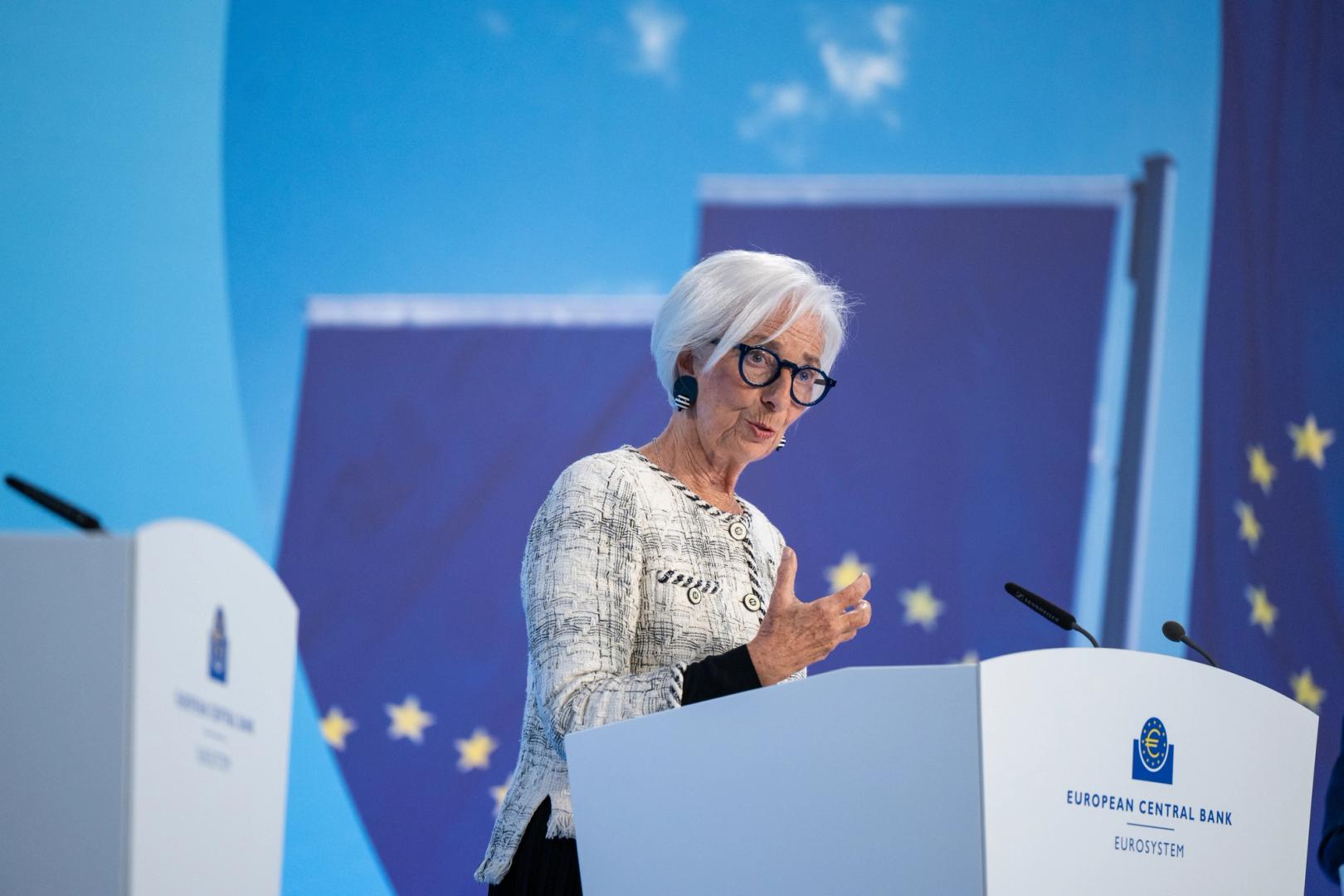
Quick Take
| Aspect | Details |
|---|---|
| Key Concerns | Financial stability risks due to stablecoins |
| Market Size | $310 billion for existing stablecoins |
| Warnings Issued | Possible transmission of stress to asset markets |
| Region Focus | Europe, particularly in contrast to the U.S. model |
The Rise of Stablecoins
Stablecoins have gained significant traction in recent years, primarily because they offer the stability of fiat currencies while enjoying the benefits of blockchain technology. They are pegged to traditional currencies, most commonly the U.S. dollar, allowing users to avoid the volatility typically associated with cryptocurrencies like Bitcoin and Ethereum. As such, stablecoins facilitate smoother transactions and have become integral to the crypto economy.
However, with this rise comes increasing scrutiny. Lagarde pointed out that the unregulated nature of these stablecoins could result in systemic risks, particularly during times of market distress. This is particularly relevant as Europe navigates its own economic challenges, including inflation and post-pandemic recovery.
Market Context
The European market stands at a crossroads, especially in the realm of digital finance. The ECB is considering the introduction of a digital euro, aiming to provide a central bank digital currency (CBDC) that can coexist with the existing financial ecosystem. Lagarde's caution signals that Europe should not simply replicate the U.S. model of stablecoins, which can exacerbate financial vulnerabilities in the event of market instability.
Historical Perspective
Historically, Europe has been proactive in regulating financial instruments, notably in the wake of the 2008 financial crisis. The introduction of the Markets in Financial Instruments Directive (MiFID) and the General Data Protection Regulation (GDPR) illustrate Europe's commitment to maintaining robust oversight in financial markets. Lagarde’s comments reflect a deep-seated concern that the current trajectory of cryptocurrency regulation may undermine these efforts.
Impact on Investors
Investors should pay close attention to Lagarde's insights as they could significantly shape the regulatory landscape for stablecoins and other digital assets in Europe. The perception of stablecoins as “too big to fail” could prompt swift regulatory measures, which might impact liquidity and accessibility for users.
What This Means for Crypto Investors
- Increased Scrutiny: Expect regulators to tighten the oversight of stablecoins, potentially limiting their use in high-stakes transactions or requiring more stringent compliance measures.
- Volatility in Stablecoin Markets: Regulatory developments could lead to short-term volatility in the prices of major stablecoins, affecting their peg to fiat currencies.
- Opportunities in CBDC Investments: As the ECB continues to explore the digital euro, early investments in this space could yield significant returns as adoption grows.
Future Perspectives
The future of stablecoins in Europe remains uncertain. Lagarde's comments may lead to a more cautious approach towards their integration into the financial system. Europe has the opportunity to innovate in digital finance by prioritizing the development of a digital euro that caters to the needs of its citizens while safeguarding financial stability.
Moreover, the potential for a well-regulated CBDC could serve as a model for other regions grappling with the challenges posed by unregulated stablecoins. This could foster a balanced ecosystem where innovation thrives under a framework of safety and stability.
In summary, as Europe stands on the brink of a digital finance revolution, the insights provided by Lagarde are both timely and crucial. The balance between innovation and regulation will determine whether Europe can successfully navigate the complexities of the cryptocurrency landscape without compromising its financial stability.