 Go Back


The Cautious Embrace of Cryptocurrency by Large Asset Owners
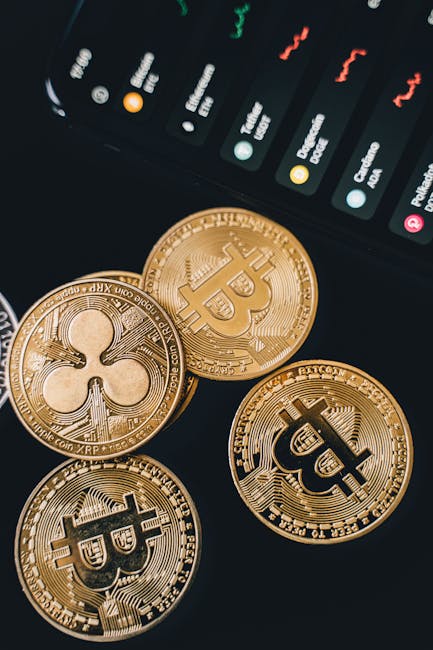
In recent research, it has been revealed that large asset owners are beginning to cautiously embrace the world of cryptocurrency. This shift is not just a reaction to market trends but reflects a broader macroeconomic context that could significantly impact the future of digital assets.
Quick Take
| Insight | Details |
|---|---|
| Trend | Increase in interest from large asset owners |
| Cautious Approach | Risk assessment is paramount |
| Macro Context | Inflation, interest rates, and global stability |
| Future Outlook | Potential for gradual acceptance and integration |
The Good: Opportunities in Cryptocurrency
One cannot ignore the potential benefits that cryptocurrencies bring to institutional investors. With the volatility of traditional markets and a growing recognition of blockchain technology’s transformative power, asset owners are beginning to see cryptocurrencies as a new asset class. Here are some of the promising aspects:
Diversification of Portfolios
Cryptocurrencies provide opportunities for diversification in investment portfolios. As asset owners look to hedge against risks in traditional markets, digital currencies offer a unique solution that can buffer against inflation and fluctuating fiat currencies.
Technological Adoption
The blockchain technology underlying cryptocurrencies presents a significant opportunity for innovation. Asset managers are keen to explore how this technology can improve existing financial systems, reduce operational costs, and enhance transaction efficiencies.
Potential High Returns
Historically, cryptocurrencies have shown the potential for substantial returns on investment. This attracts large asset owners who are searching for avenues that outperform stagnant or declining traditional assets.
The Bad: Risks and Concerns
Despite the promising outlook, the journey toward adopting cryptocurrencies is fraught with challenges that require careful consideration.
Market Volatility
The extreme price fluctuations in cryptocurrency markets pose a substantial risk for large institutional investors that must adhere to stricter risk management protocols compared to retail investors. High volatility can lead to significant short-term losses, making the digital assets an unappealing option for conservative portfolios.
Regulatory Uncertainty
The evolving regulatory landscape surrounding cryptocurrencies creates additional complexity. Institutions must navigate a maze of regulations that can vary significantly by jurisdiction, impacting their ability to invest in and manage digital assets effectively.
Security Issues
The potential for cyberattacks and hacks poses a serious threat to digital assets. Large asset owners must consider the security measures in place to protect their investments, which can also drive up costs associated with managing these assets.
The Ugly: Broader Economic Implications
The cautious embrace of cryptocurrency by large asset owners reflects a broader macroeconomic context that cannot be ignored.
Inflationary Pressures
With inflation rates soaring globally, traditional assets are under pressure. This economic instability may push large investors toward cryptocurrencies as a hedge against diminishing purchasing power. However, this shift may lead to further volatility in cryptocurrency markets as demand fluctuates based on economic conditions.
Interest Rate Dynamics
Central banks around the world are adjusting interest rates to combat inflation, impacting both traditional and digital asset markets. Higher interest rates can lead to decreased liquidity, which may adversely affect the cryptocurrency market's growth potential.
Market Sentiment
Global economic sentiment plays a critical role in shaping investment decisions. As large asset owners cautiously enter the cryptocurrency realm, the sentiment surrounding digital assets will influence their long-term viability and acceptance within traditional financial markets. Should negative sentiment prevail, it could stymie institutional adoption and lead to further market stagnation.
Market Context
The current landscape for cryptocurrency investment is marked by increasing interest from institutional players against the backdrop of economic uncertainty. Large asset owners are often seen as trendsetters, and their cautious approach could set the pace for broader acceptance of digital currencies in the future. A careful examination of macroeconomic indicators, such as inflation rates and interest rate policies, will guide their strategies moving forward.
Impact on Investors
For individual investors, the cautious move by large asset owners into the cryptocurrency realm could signify both risks and opportunities. On one hand, institutional involvement may bring legitimacy and stability to the cryptocurrency markets. On the other hand, it could also lead to increased volatility as these large entities navigate the complex landscape. Investors should stay informed and consider the implications of these macroeconomic trends as they shape their investment strategies.
As large asset owners begin to embrace cryptocurrency, the long-term effects on the market remain to be seen. Understanding the interplay between macroeconomic factors and the evolving digital asset landscape will be crucial for investors of all sizes.