 Go Back


Quick Take
| Aspect | Details |
|---|---|
| Trend | Increasing adoption of crypto in luxury markets |
| Target Year | 2026 |
| Key Players | Luxury fashion, automobiles, jewelry industries |
| Opportunities | Enhanced customer engagement, new revenue streams |
| Challenges | Regulatory hurdles, volatility, technology integration |
Introduction
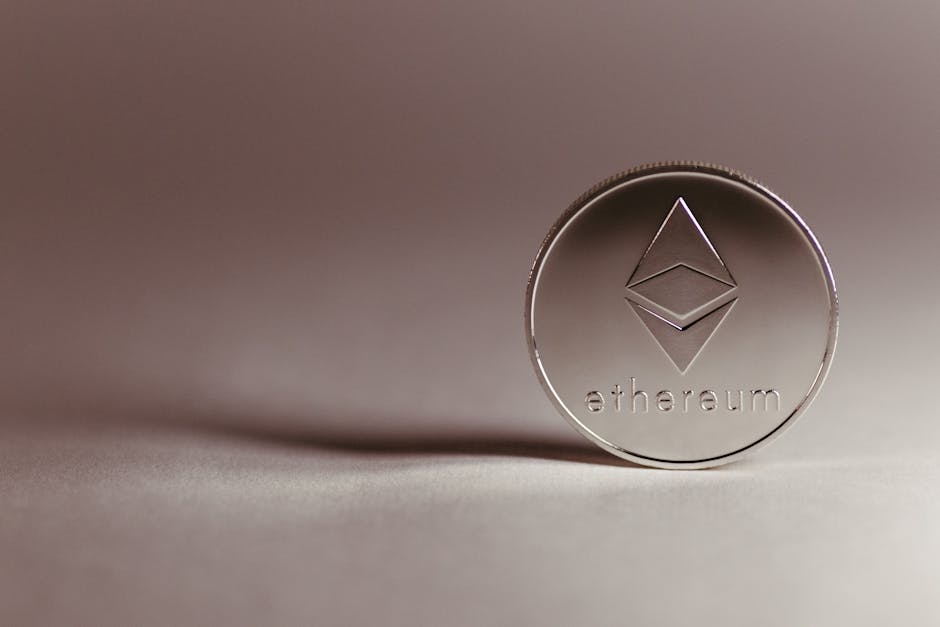
As we approach 2026, the luxury sector is poised to undergo a significant transformation with the increasing acceptance of cryptocurrency. This shift not only reflects changing consumer preferences but also represents an opportunity for luxury brands to enhance customer engagement and revenue streams. In this blog post, we will explore how luxury businesses can start integrating cryptocurrency into their operations and the broader implications for the market.
Market Context
The luxury market has traditionally been characterized by high-value transactions and a customer base that values exclusivity and status. As cryptocurrency gains traction, particularly among younger consumers, luxury brands are recognizing the need to adapt. The global cryptocurrency market, valued at trillions of dollars, continues to grow despite volatility, opening new avenues for luxury brands to cater to a tech-savvy clientele.
In the wake of economic uncertainty, luxury brands can no longer afford to ignore the potential of digital currencies. Major industry players are beginning to explore partnerships with crypto payment platforms and blockchain technology to streamline transactions and enhance customer experiences. By 2026, we can expect a broader acceptance of crypto payments in luxury retail settings, as businesses look to tap into this lucrative market.
SWOT Analysis
Conducting a SWOT analysis can provide valuable insights into how luxury brands can navigate the emerging cryptocurrency landscape.
Strengths
- Brand Prestige: Luxury brands have established credibility and prestige, making them well-positioned to lead the charge in crypto adoption.
- High-Value Transactions: The high price points of luxury goods align well with the transaction capabilities of cryptocurrencies, facilitating seamless payments.
Weaknesses
- Volatility: Cryptocurrency value fluctuations pose risks for businesses that may struggle to price products consistently.
- Regulatory Concerns: The varying global regulations around cryptocurrency can create barriers for luxury brands looking to adopt crypto payment solutions.
Opportunities
- New Market Segment: Engaging with cryptocurrency users can help brands tap into a new demographic that prioritizes tech integration and modern payment methods.
- Enhanced Loyalty Programs: Brands can develop loyalty programs that reward customers for using cryptocurrencies, fostering deeper connections and repeat purchases.
Threats
- Security Risks: The potential for cyber attacks on cryptocurrency exchanges and wallets could deter both businesses and consumers from engaging with digital currencies.
- Competition: As more luxury brands explore cryptocurrency integration, those that hesitate may fall behind, losing market share to more agile competitors.
Impact on Investors
The shift towards cryptocurrency acceptance in the luxury market presents numerous implications for investors. As luxury brands innovate and adapt, investors may see opportunities for growth in companies that embrace blockchain technology and digital transactions. Investing in businesses that are early adopters of crypto can lead to substantial returns as more consumers shift their spending habits.
Furthermore, the luxury sector's move towards accepting crypto may drive overall market confidence in digital currencies, potentially stabilizing some of the volatility experienced in recent years. Investors should remain vigilant, monitoring regulatory developments and consumer trends to capitalize on emerging opportunities.
Future Predictions
Looking ahead, we can anticipate several trends that will shape the luxury market's relationship with cryptocurrency:
- Mainstream Adoption: By 2026, it's likely that many luxury brands will have integrated cryptocurrency payment options, making it a standard method of transactions.
- Innovative Experiences: Brands may leverage blockchain technology to offer unique customer experiences, such as verified ownership and authenticity for luxury items.
- Collaborations: We may see more collaborations between luxury brands and tech companies, leading to the creation of exclusive digital products that further blend fashion with technology.
Conclusion
As luxury businesses prepare to accept cryptocurrency by 2026, they stand at a crossroads of tradition and innovation. Embracing this digital revolution could redefine customer interactions and elevate the luxury shopping experience to new heights. While challenges remain, the potential rewards for early adopters could be substantial, signaling a new era for both luxury brands and their clientele.