 Go Back


Maxine Waters Opposes Crypto in 401(k)s: What It Means for Investors
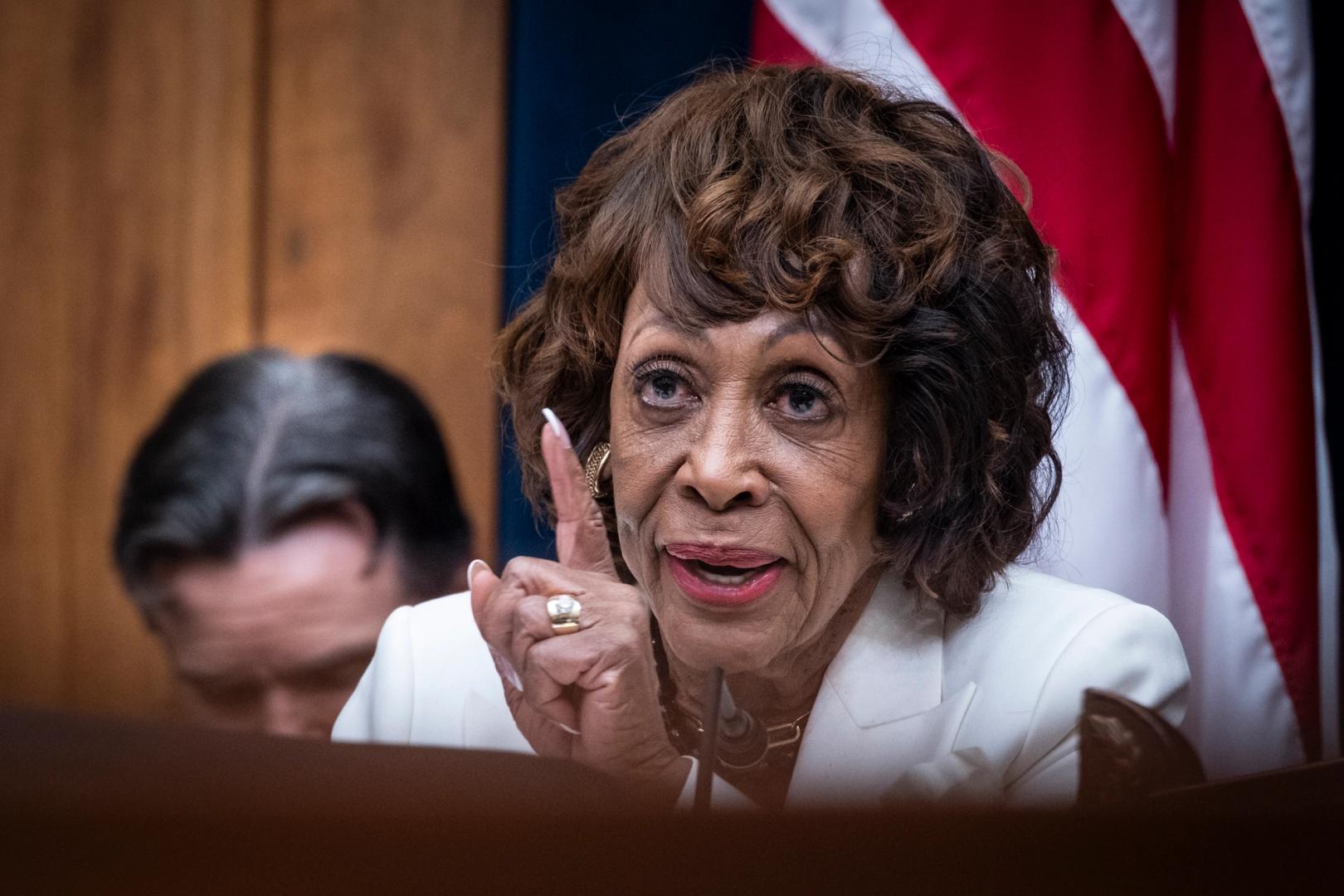
The ongoing debate around cryptocurrencies and their place in traditional finance has taken a pivotal turn with U.S. House Democrat Maxine Waters stepping into the spotlight. As a key player in the House Financial Services Committee, Waters has called for the withdrawal of a proposal from the Department of Labor that would allow alternative assets, including cryptocurrencies, to be included in 401(k) plans. This move has sparked a flurry of discussions about the implications for investors, the crypto market, and future regulatory landscapes.
Quick Take
| Key Points | Details |
|---|---|
| Who? | Maxine Waters, U.S. House Financial Services Chair |
| What? | Opposition to crypto inclusion in 401(k) plans |
| Why? | Concerns over volatility and investor protection |
| Potential Impact | Regulatory setbacks for crypto adoption in retirement |
| Market Response | Increased scrutiny on crypto assets and ETFs |
Market Context
As the crypto world continues to evolve, regulatory discussions are becoming more critical than ever. Waters, who is expected to take on a more influential role in the House Financial Services Committee, is positioning herself as a guardian of investor protections. Her stance against crypto in 401(k)s reflects a broader hesitation among lawmakers regarding the integration of volatile digital assets into traditional investment vehicles.
Historically, cryptocurrencies have faced skepticism from financial institutions due to their price swings and the potential for fraud or scams. The inclusion of cryptocurrencies in retirement accounts might be seen as a step too far, especially considering the responsibility that comes with managing retirement funds. Investors are typically advised to prioritize stability and security in their long-term savings, which raises questions about the appropriateness of including speculative assets like Bitcoin or altcoins in 401(k)s.
Impact on Investors
The implications of Waters' opposition are substantial for both crypto investors and the broader financial ecosystem:
Increased Regulation: The resistance from key lawmakers could lead to stricter regulations for cryptocurrencies, particularly in the context of retirement accounts. This might deter potential investors who are already wary of regulatory uncertainties.
Market Volatility: If the proposal for crypto inclusion in 401(k)s is scrapped, it could lead to increased volatility in the crypto markets. Enthusiasts had viewed the potential for mainstream adoption through retirement accounts as a significant boost for the industry.
Investor Confidence: Waters' condemnation of crypto in retirement plans could undermine confidence among individual investors. In a market where public perception is incredibly influential, negative commentary from a prominent figure can have ripple effects.
Future of Crypto in Finance: The long-term effects of such regulatory actions could limit the growth of cryptocurrency as a legitimate asset class. If lawmakers continually block pathways for institutional adoption, cryptocurrencies might struggle to gain a foothold in mainstream finance.
Looking Ahead
As Waters prepares to take on a significant role in shaping financial regulations, the cryptocurrency community must brace itself for more potential pushback. With the Biden administration promoting a framework for responsible digital asset innovation, the path ahead is fraught with tension between innovation and regulation.
Potential Scenarios
Scenario 1: Increased Regulation
- Should Waters and like-minded lawmakers gain more ground, we could see stricter rules that govern the use of cryptocurrencies in retirement plans and beyond.
Scenario 2: Compromise Solutions
- On the flip side, ongoing dialogue might lead to a compromise where certain stablecoins or established cryptocurrencies could eventually gain acceptance in retirement plans under stringent conditions.
Scenario 3: Market Adaptation
- The crypto industry may pivot towards advocating for better educational resources, aiming to demonstrate the viability and safety of cryptocurrencies for retirement investment, potentially swaying public opinion and investor confidence.
Conclusion
Maxine Waters' recent actions signal a crucial juncture for cryptocurrencies in the traditional finance landscape. Investors need to stay alert and informed as the regulatory environment evolves. The outcome of this debate may not only shape the future of cryptocurrencies in retirement accounts but could also influence how the broader market operates. As always, the best course of action is to stay updated and prepared for whatever the future holds in the crypto space.
Stay tuned, fam! The crypto game keeps getting more intense, and we’ll continue to bring you the freshest updates as they roll in!