 Go Back


The End of the MiCA Grace Period: A New Dawn for Crypto in Europe
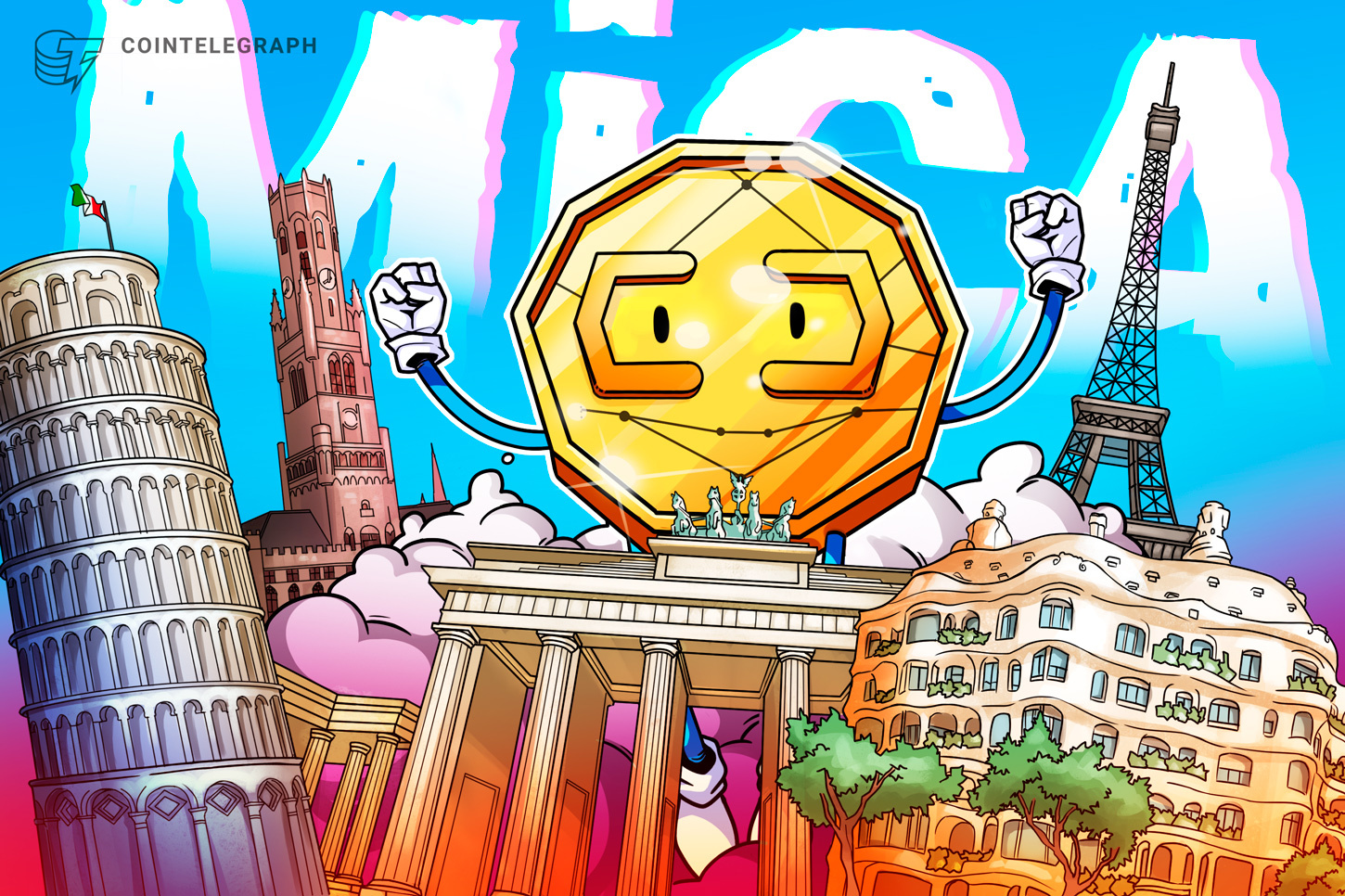
The crypto landscape in Europe is buzzing with excitement as the final wave of approvals under the Markets in Crypto-Assets (MiCA) regulation has been issued. This monumental move marks the end of a transitional grace period that has lasted several years, helping to shape the future of the cryptocurrency industry across the continent. As firms scramble to secure their licenses before the deadline, it’s essential to unpack what these developments mean for the broader market and investors.
Quick Take
| Aspect | Details |
|---|---|
| Regulation | Final MiCA approvals issued; transitional period ends |
| Impact on Market | Increased legitimacy for crypto firms |
| Investor Implications | Enhanced trust and security in the crypto ecosystem |
| Future Outlook | Streamlined regulations could foster innovation and investment |
The MiCA Regulation: What’s the Buzz?
The MiCA regulation is a game-changer for cryptocurrencies in Europe. Enacted by the European Union (EU), it aims to create a comprehensive framework for digital assets, providing clear rules for firms operating in the crypto space. This is particularly significant because many jurisdictions have struggled with regulatory uncertainty, which has often stymied growth and innovation.
Historically, the EU has been at the forefront of financial regulation, and MiCA reflects this ethos in its ambition to offer clarity. Since its proposal, many have hailed it as a blueprint for how to effectively regulate digital currencies without stifling innovation.
Market Context
The end of the MiCA grace period comes at a time when the global economy is grappling with inflationary pressures and geopolitical tensions. Traditional markets have faced significant volatility, prompting investors to look for alternative assets. Cryptocurrencies, which have historically been considered high-risk, may now become more attractive as regulated investments.
With the MiCA framework in place, firms that previously operated in the shadows can now emerge with valid licenses, allowing for greater market participation. This surge in legitimate players is expected to enhance the overall credibility of the market.
Furthermore, as major players and institutional investors begin to participate in this newly legitimized market, we could see significant capital inflow into cryptocurrencies. This can potentially lead to a bullish sentiment, stabilizing prices and fostering a healthier market environment.
Impact on Investors
For individual investors, the implications of MiCA’s final approvals are profound. With increased regulatory oversight, there’s a promise of enhanced security around crypto investments. Scams and fraudulent schemes have plagued the crypto market in the past, and a regulated environment could help mitigate these risks.
Investors are likely to feel more confident investing in cryptocurrencies, knowing that these companies adhere to established standards of operation. This reassurance may lead to greater public adoption of digital assets, driving demand and, consequently, the prices of cryptocurrencies.
Key Considerations for Investors:
- Regulatory Compliance: Firms are now accountable to stringent regulations, reducing the risk of sudden crackdowns.
- Increased Transparency: Companies must provide clear disclosures, enhancing investor knowledge and reducing uncertainty.
- Market Maturity: With regulations in place, we can expect a more mature and stable crypto market, potentially leading to less volatility.
A Look Ahead: The Future of Crypto in Europe
As the dust settles on the MiCA transitional period, the future looks promising for the crypto landscape in Europe. New licenses are likely to foster competition, innovation, and collaboration among blockchain firms. Moreover, a standardized regulatory framework could serve as a model for other regions around the world, particularly in the US and Asia, where regulatory clarity remains elusive.
While the immediate aftermath of MiCA’s implementation will certainly require some adjustments, the long-term outlook appears optimistic. As European countries embrace digital assets, we may witness a surge in blockchain technology applications beyond just finance, extending into sectors like supply chain management, healthcare, and beyond.
Conclusion
The final wave of MiCA approvals is a significant milestone in the journey towards a regulated and mature cryptocurrency market in Europe. As the specialized landscape of crypto regulation continues to evolve, both firms and investors stand to benefit from clearer guidelines and increased legitimacy. The global implications of MiCA may resonate far beyond European borders, shaping the future of cryptocurrencies worldwide. Buckle up, crypto enthusiasts; it's going to be an exhilarating ride!
Tags
- MiCA
- Crypto Regulation
- EU
- Cryptocurrency
- Blockchain