 Go Back


Why Michael Saylor's Bitcoin Buys Are No Longer Market Movers
In the realm of cryptocurrency, few figures have garnered as much attention as Michael Saylor, the CEO of MicroStrategy. His company has consistently made headlines for accumulating vast amounts of Bitcoin, a strategy that many considered groundbreaking. However, recent reports indicate that despite billions invested in Bitcoin, Saylor's aggressive buying strategy is no longer moving the market in the same way it used to. This post delves into the reasons behind this shift and explores the broader implications for the cryptocurrency landscape.
Quick Take
| Aspect | Details |
|---|---|
| Investor Type | Long-term holders increasingly dominate the market. |
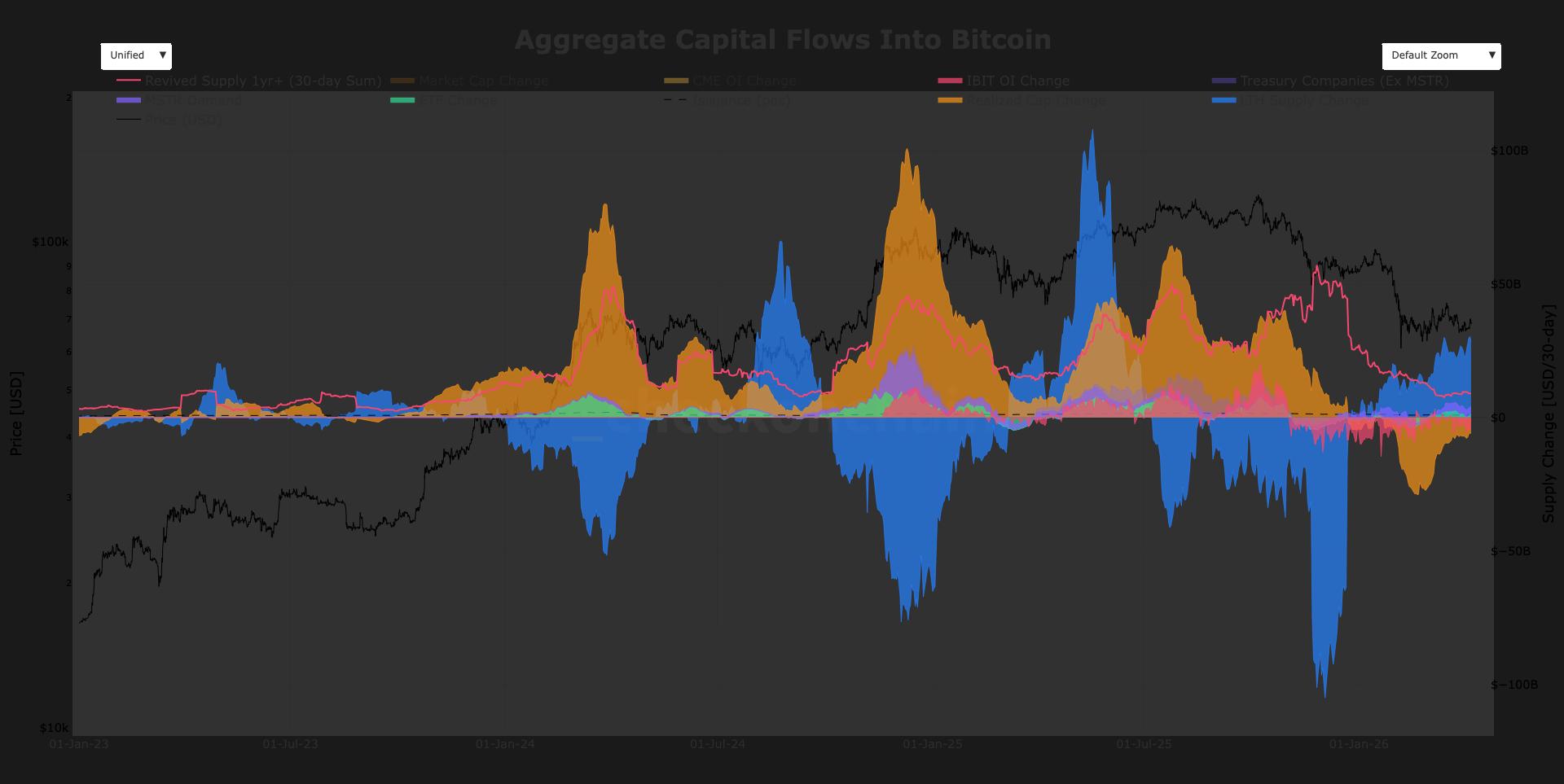
| Market Dynamics | Shifts in capital flows are overshadowing MSTR demand. |
| Saylor's Impact | Significant but diminishing influence on price movement. |
| Future Outlook | Continued evolution of investor sentiment and strategies. |
Market Context
Michael Saylor and MicroStrategy's foray into Bitcoin began in August 2020, marking a significant pivot for both the company and the asset. In a landscape traditionally dominated by retail investors, Saylor's institutional approach was a game changer, demonstrating an adoption of Bitcoin as a treasury reserve asset. However, the dynamics of the market have evolved considerably since those early days.
As of early 2023, the Bitcoin market has seen substantial shifts, primarily characterized by a growing number of long-term holders who are not influenced by short-term price fluctuations. This group has increasingly solidified their positions amid market volatility, prioritizing long-term value retention over opportunistic trading.
Furthermore, the broader capital flows in and out of cryptocurrencies have exhibited a remarkable transformation. Increased participation from institutional players, coupled with a more diversified investor base, has diluted the impact of any single entity's buying behavior, including MicroStrategy's. This shift highlights a more mature market that is less susceptible to the effects of individual institutional purchases.
Impact on Investors
For investors, the diminishing impact of Michael Saylor's Bitcoin buys could signify a larger trend within the cryptocurrency market. As institutional investments continue to grow, the narrative surrounding Bitcoin is shifting from being a speculative asset to a legitimate component of diversified investment portfolios. Here are some key impacts for investors to consider:
1. Increased Market Stability
- The influx of institutional capital can contribute to more stable price movements over time. Long-term holders are less likely to panic sell during market downturns, which could help mitigate volatility.
2. Changing Strategies for Value Investors
- With a shift towards long-term holding, strategies that focus on short-term gains may become less effective. Investors need to adapt their approaches to align with the prevailing market sentiment.
3. Heightened Competition for Attention
- As more institutional players enter the space, the competitive landscape for capturing investor attention intensifies. This could lead to more innovative investment products and services aimed at attracting and retaining capital.
4. Evolving Risk Perceptions
- The growing acceptance of Bitcoin as a legitimate asset class may alter risk perceptions among traditional investors. The long-term viability of Bitcoin could be viewed through a different lens, leading to increased allocations from diverse investor groups.
Future Outlook
As we look ahead, the cryptocurrency market is poised for continued evolution. The dynamics of buying and selling have shifted significantly, and with it, the influence of prominent figures like Michael Saylor may also wane. The potential for Bitcoin to become a stable and accepted part of financial portfolios could lead to exciting developments in the DeFi ecosystem.
Moreover, as regulatory frameworks become clearer and institutional adoption deepens, we might witness a further maturation of Bitcoin's market positioning. Investors will need to remain vigilant and adaptive to navigate this changing landscape effectively.
In conclusion, while Michael Saylor's Bitcoin investments have undeniably played a role in popularizing Bitcoin among institutional investors, their current lack of impact on the market reflects a broader shift towards long-term holding and diversified capital flows. The Bitcoin ecosystem is transforming, and its future will likely depend on how well it can integrate and adapt to these new dynamics.
Conclusion
Michael Saylor's influence on Bitcoin may not be as pronounced as it once was, but his pioneering spirit has helped lay the groundwork for a more resilient and diversified cryptocurrency market. Investors should be prepared for these changes and consider how they can best position themselves within this evolving landscape.
Tags
- Bitcoin
- MicroStrategy
- Investment Strategies
- Cryptocurrency Market
- Institutional Adoption