 Go Back


Microsoft Warns of New 'Crypto Clipper' Malware Threat
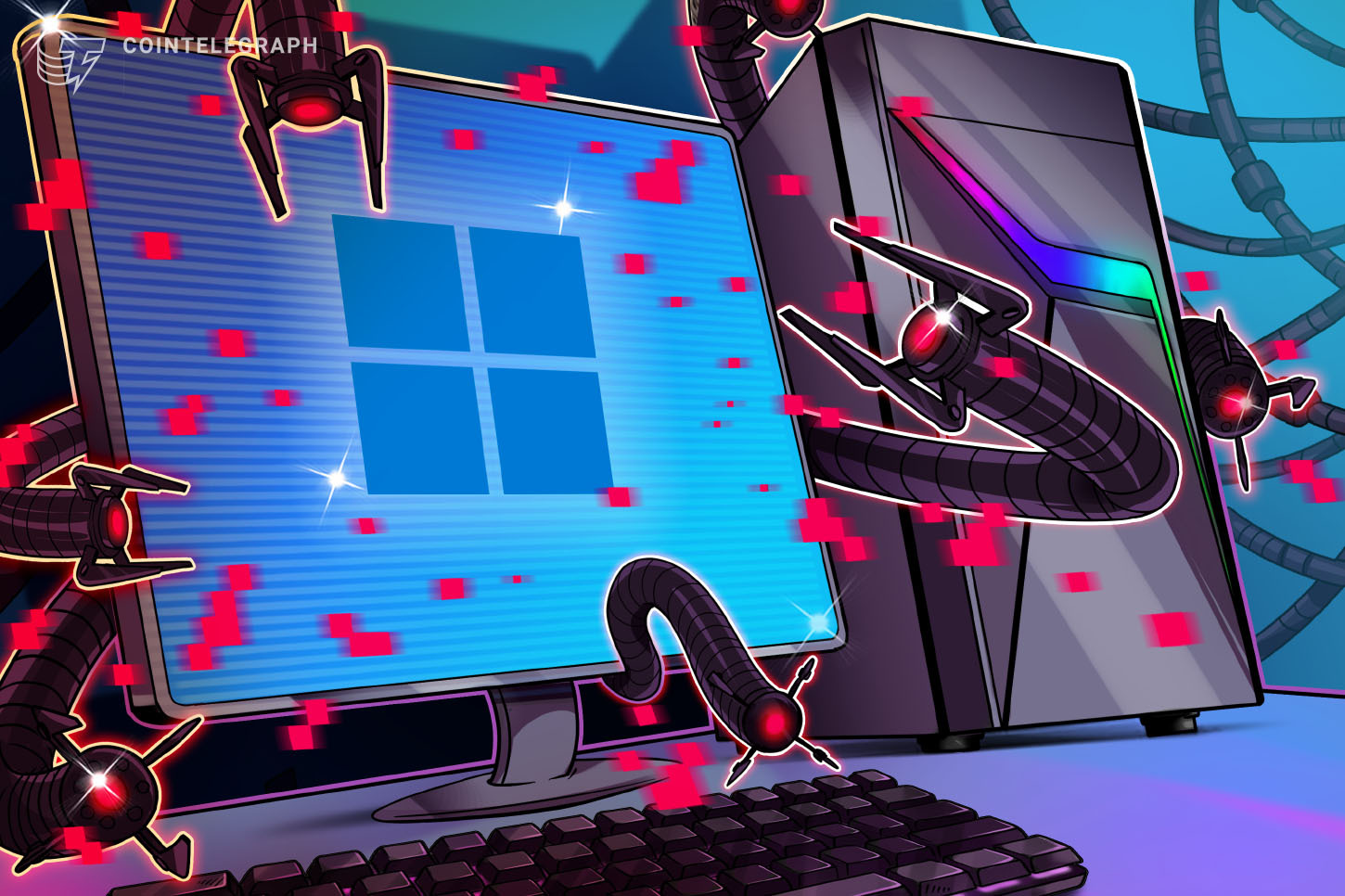
Recently, Microsoft alerted users about a concerning malware known as a 'Crypto Clipper,' which has been spreading primarily through USB drives. This malware is particularly dangerous as it combines data theft capabilities with the ability to execute remote code. Essentially, it transforms a financially motivated thief into a lightweight backdoor that can facilitate further attacks or data breaches.
Quick Take
| Key Details | Information |
|---|---|
| Type of Malware | Crypto Clipper |
| Spread Method | Via USB drives |
| Key Features | Data theft, remote code execution |
| Potential Impact | Risk of financial loss, privacy invasion |
Understanding Crypto Clippers
What is a Crypto Clipper?
Crypto Clippers are a type of malware designed to intercept cryptocurrency transactions and manipulate wallet addresses. When a user copies a wallet address to make a transaction, the malware replaces it with the hacker’s address, allowing the funds to be redirected to the attacker. This type of malware has been particularly problematic for crypto users, as it often operates unnoticed until it’s too late.
How Does the Malware Operate?
According to Microsoft’s findings, the Crypto Clipper malware not only steals sensitive data but also includes functionality for remote code execution. This means that attackers can potentially take full control of the infected machine, escalating the threat beyond financial theft to complete system compromise.
Market Context
Rise of Cyber Threats in the Crypto Space
The emergence of malware such as the Crypto Clipper is indicative of the growing risks associated with cryptocurrency use. As more individuals and institutions enter the DeFi ecosystem, the incentives for cybercriminals increase. Here are a few historical context points that demonstrate how these threats have evolved:
- 2017 Surge: The initial boom of cryptocurrencies saw a surge in ransomware attacks, where hackers demanded Bitcoin payments to unlock compromised systems.
- 2020 Developments: With the rise of DeFi protocols and increased adoption, new malware variants began targeting users' wallets, specifically focusing on theft.
- Current Trends: As of 2023, malware like Crypto Clippers combines sophisticated attack vectors, making them more dangerous and effective than ever.
The nature of cryptocurrencies, which often involves pseudonymity and irreversible transactions, enhances the effectiveness of such malware, making it a high-priority concern for users.
Impact on Investors
Security Awareness and Best Practices
The emergence of the Crypto Clipper malware emphasizes the importance of cybersecurity in the cryptocurrency space. Here’s what investors should consider:
- Update Software Regularly: Ensure all operating systems and software are up to date to protect against the latest vulnerabilities.
- Use Hardware Wallets: Consider utilizing hardware wallets which are less susceptible to malware attacks compared to software wallets.
- Be Cautious with USB Drives: Avoid plugging in USB drives from unknown sources, as they can harbor malicious software.
- Educate Yourself: Stay informed about the latest security threats and best practices in the DeFi space to protect your assets.
Long-Term Implications for DeFi
The rise of such malware could have broader implications for the DeFi ecosystem:
- User Trust: Increased instances of malware attacks can lead to reduced trust in DeFi platforms, hindering mainstream adoption.
- Regulatory Scrutiny: Persistently high levels of cybercrime can prompt regulators to introduce stricter laws, impacting the operational landscape of DeFi projects.
- Innovations in Security: The ongoing threat of malware may lead to innovations in cybersecurity solutions within the crypto space, fostering safer environments for investments.
Conclusion
The alert from Microsoft serves as a crucial reminder for crypto users and investors about the persistent threats posed by malware like Crypto Clippers. Understanding these risks is critical in safeguarding assets and ensuring the longevity of the DeFi ecosystem. As the digital landscape evolves, the intersection of technology, finance, and security will continue to shape the future of cryptocurrency investments.
Staying informed and adopting robust security measures is key to thriving in this dynamic environment. Investors must remain vigilant as they navigate the promising yet perilous waters of decentralized finance.