 Go Back

Minnesota's Prediction Market Ban: Implications for Investors
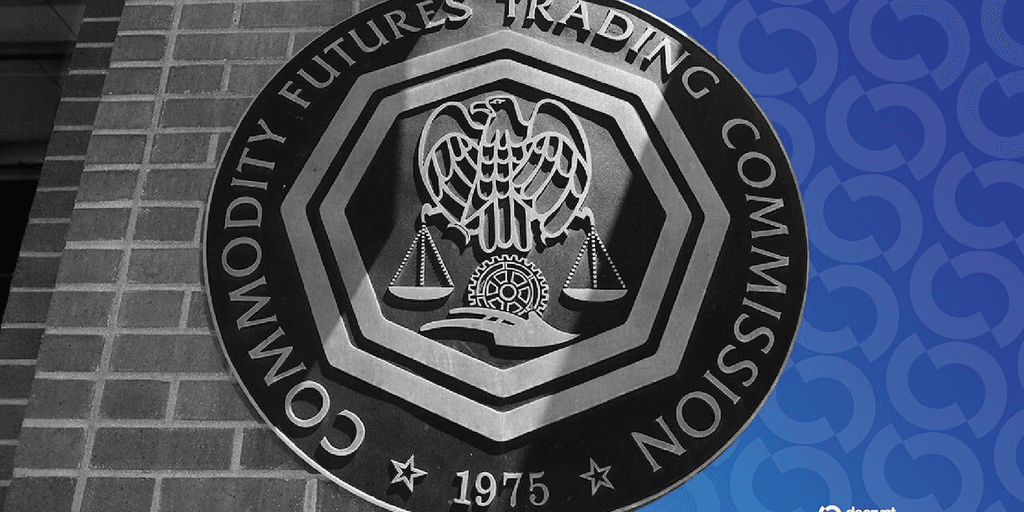
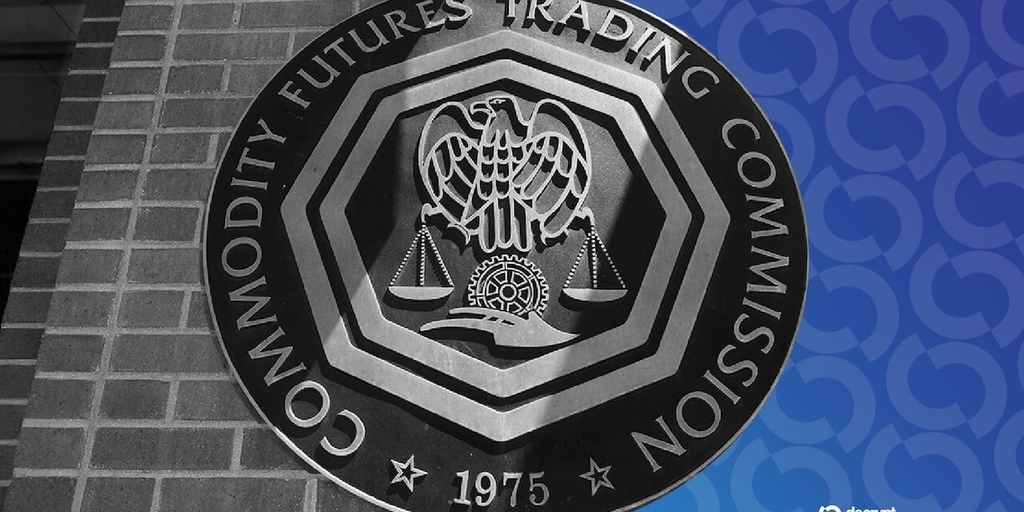
On the surface, Minnesota's recent ban on prediction markets might seem like a localized regulatory issue. However, the ramifications extend far beyond state lines, potentially reshaping the landscape of market-based forecasting and investment strategies across the United States. Notably, the ban classifies the establishment or operation of prediction markets as a felony, a drastic measure supported by federal authorities, including the Commodity Futures Trading Commission (CFTC) and the Department of Justice (DOJ).
Quick Take
| Topic | Details |
|---|---|
| Ban Status | Effective immediately in Minnesota |
| Legal Classification | Felony to create or operate prediction markets |
| Federal Involvement | CFTC and DOJ claim ban violates federal law |
| Potential Impact | Shift in investment strategies and market dynamics |
Background on Prediction Markets
Prediction markets are platforms where participants can buy and sell contracts based on the outcomes of future events, such as elections, sports, or economic indicators. These markets harness collective intelligence, allowing users to leverage the wisdom of crowds to gauge potential outcomes and make informed decisions. Historically, prediction markets have been utilized for everything from electoral outcomes to event results, offering investors a unique avenue for speculation and hedging.
The legality of these markets has always been a gray area. While they have gained traction in the private sector, regulatory frameworks have struggled to keep pace with innovation. Minnesota's extreme measure to categorize these markets as felonious raises eyebrows and underscores a growing tension between innovation and regulation in the financial landscape.
Market Context
The political landscape in the U.S. is increasingly polarized, and as evidenced by the swift lawsuit from the Trump administration following Minnesota's ban, prediction markets are viewed as a critical tool for gauging public sentiment and political outcomes. This swift legal response suggests that federal authorities are keenly interested in maintaining the functionality and accessibility of prediction markets.
- Regulatory Environment: The ban comes at a time when various states are reevaluating their stances on emerging financial instruments. The tension between state and federal regulations is palpable, and this latest development could ignite a broader national dialogue on the legality and ethics of prediction markets.
- Investor Sentiment: Investors often utilize prediction markets not only for speculative purposes but also as a form of risk management. The ban may deter those who rely on these platforms for insights into market dynamics, thereby reducing the overall liquidity and activity in prediction markets.
- Historical Context: The last decade has seen significant legal challenges surrounding prediction markets. The CFTC has periodically issued warnings and guidelines, but outright bans like Minnesota's represent a significant escalation that could have chilling effects on market innovation.
Impact on Investors
Uncertainty and Risk
The abrupt nature of Minnesota’s ban indicates a volatile regulatory environment. Investors should brace for increased uncertainty as they navigate the shifting sands of market legality. Considerations include:
- Regulatory Compliance: Investors may need to reassess their strategies and ensure compliance with both state and federal regulations.
- Investment Diversification: Given the risks associated with potential legal challenges, diversifying investments across different asset classes can mitigate exposure to any one regulatory change.
- Monitoring Developments: Keeping abreast of legal challenges and developments concerning prediction markets in other states will be crucial for strategic planning.
Future of Prediction Markets
The future of prediction markets may hinge on how this legal case unfolds. If the Trump administration successfully challenges the ban, it could pave the way for a more favorable regulatory environment for these markets nationwide. Conversely, if Minnesota’s ban is upheld, other states may follow suit, creating a patchwork of regulations that complicate the operation of prediction markets.
Furthermore, the emergence of decentralized prediction markets could gain momentum as innovators seek to navigate traditional regulatory frameworks. These platforms could offer a means to circumvent state laws while still providing valuable forecasting capabilities, potentially attracting a new wave of investors looking for alternative investment opportunities.
Conclusion
Minnesota's ban on prediction markets presents a significant turning point for investors and industry stakeholders. The implications of this ban could resonate far beyond the state's borders, influencing regulatory approaches nationwide and altering how investors engage with market forecasting tools. As the legal landscape evolves, investors must remain vigilant, adaptable, and informed about new developments in this dynamic sector. The fate of prediction markets hangs in the balance, and savvy investors will be those who can navigate the uncertainties ahead.
Tags
- Prediction Markets
- Regulation
- Investment Strategies
- CFTC
- Market Dynamics