 Go Back


The Intersection of Crime and Cryptocurrency: A Cautionary Tale
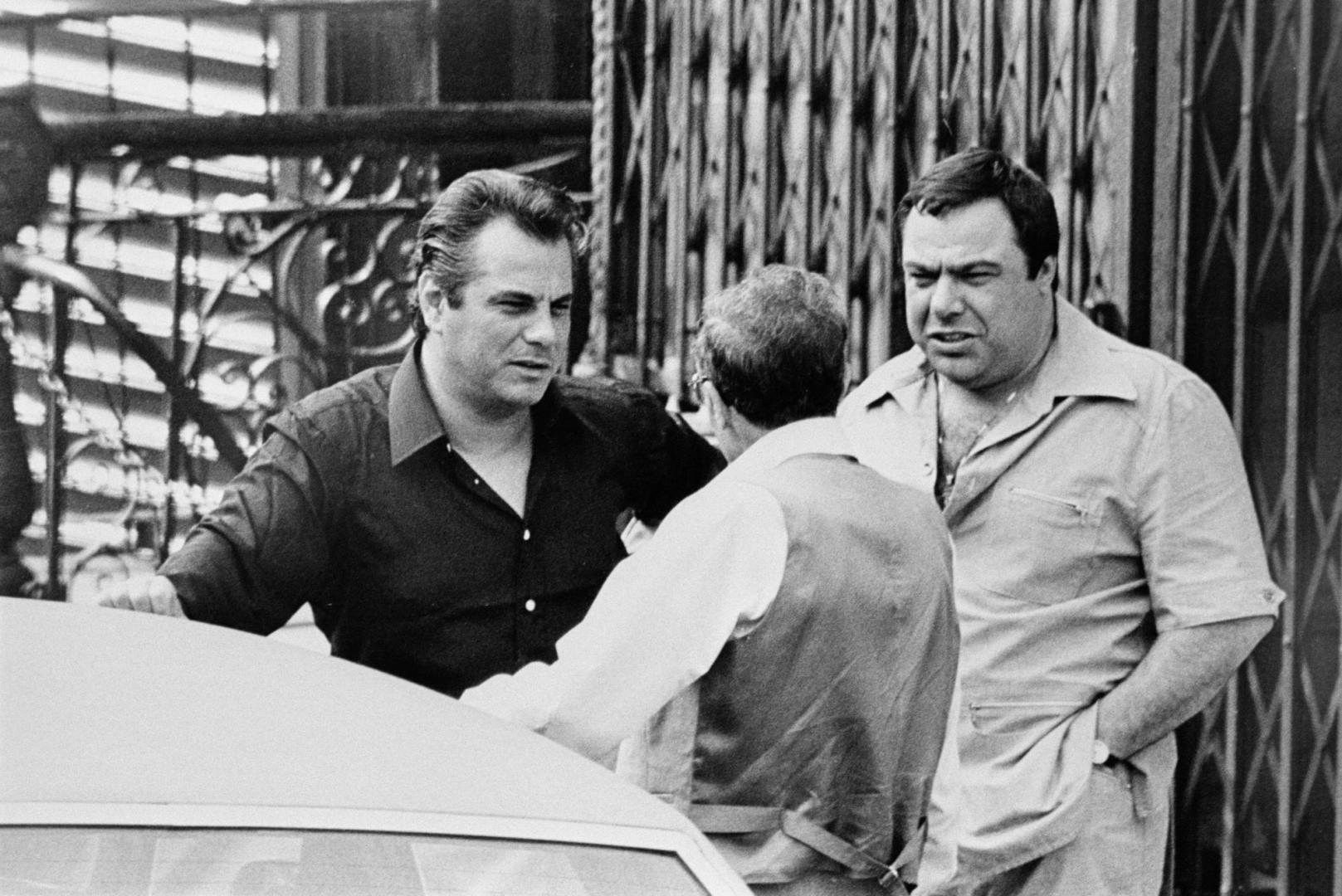
In a world where cryptocurrency is often viewed as a beacon of financial freedom and innovation, a recent case has emerged that starkly contrasts this narrative. John Gotti's grandson, a figure associated with organized crime, has been sentenced to prison for defrauding the U.S. government’s COVID-19 relief program out of $1.1 million. Notably, he funneled a significant portion of these ill-gotten gains into cryptocurrency ventures. This incident not only underscores the darker aspects of crypto but also raises critical questions about regulation and the moral implications of digital currencies.
Quick Take
| Key Points | Details |
|---|---|
| Individual | John Gotti’s grandson |
| Fraud Amount | $1.1 million |
| Scheme | COVID-19 relief fraud |
| Crypto Investment | At least half of the fraudulently obtained amount |
| Implications for Regulation | Calls for stricter oversight in crypto sector |
Market Context
The case of Gotti’s grandson serves as a reminder of the intersection between crime and cryptocurrency. With its decentralized nature and perceived anonymity, the crypto space has attracted not only legitimate investors but also those seeking to exploit its vulnerabilities. The COVID-19 pandemic has been a fertile ground for fraud, with criminals taking advantage of emergency relief measures designed to support the economy.
As governments worldwide shift to create regulatory frameworks, the need to address these abuses becomes increasingly urgent. Cybercriminals have utilized cryptocurrencies for various illicit activities, from ransomware attacks to financial fraud, showcasing the necessity of comprehensive oversight.
Historical Context of Fraud in Cryptocurrency
Historically, the crypto space has been plagued by scandals involving fraud and scams. Early adopters of Bitcoin witnessed infamous incidents like the Mt. Gox hack and the Bitconnect Ponzi scheme, both of which eroded trust in the ecosystem. However, as cryptocurrencies gained mainstream acceptance, regulatory bodies began to take action, leading to an environment where sophisticated scams could still take place, albeit with increased scrutiny.
The Gotti case is not an isolated incident; it is part of a larger trend where individuals exploit government programs during crises. For instance, various instances of fraud have been reported regarding the Paycheck Protection Program in the U.S., demonstrating a systemic issue that spans beyond just cryptocurrency.
Impact on Investors
The revelations surrounding Gotti's fraud case have profound implications for both individual and institutional investors in the cryptocurrency market.
Consumer Trust
Consumer trust is paramount in the cryptocurrency landscape. Cases like this can lead to heightened skepticism towards crypto enterprises. Investors might hesitate to engage with projects that lack transparency, fearing potential connections to illicit activities.
Regulatory Scrutiny
Increased regulatory scrutiny is likely to follow the case, potentially leading to stricter guidelines on how cryptocurrencies are used and monitored. This may result in a two-fold impact:
- Positive: Enhanced protections for investors and a more stable market environment.
- Negative: Over-regulation could stifle innovation and limit opportunities for legitimate projects to flourish.
Future Predictions
As the narrative of Gotti's grandson unfolds in the public eye, it may spur further discourse around the ethical implications of cryptocurrency use. Here are a few predictions:
- Stricter Regulatory Compliance: Expect more stringent compliance measures, including Know Your Customer (KYC) and Anti-Money Laundering (AML) regulations, to ensure that funds are not sourced from illicit activities.
- Market Realignment: Investors may gravitate towards crypto projects with clearer ethical standards, transparent governance, and robust security measures, reshaping the market landscape.
- Emergence of Ethical Cryptocurrencies: There may be a rise in cryptocurrencies that emphasize ethical practices and contribute positively to society, appealing to socially conscious investors.
Conclusion
The case of John Gotti's grandson stands as a pivotal moment, highlighting the ongoing challenges that cryptocurrencies face in gaining mainstream acceptance. While the potential of blockchain technology continues to be celebrated, the importance of addressing its vulnerabilities cannot be overstated. As the intersection of crime and cryptocurrency becomes increasingly complex, both investors and regulators must navigate this landscape with a vigilant eye. The need for a balanced approach, one that fosters innovation while curbing malfeasance, has never been more crucial.
Tags
- Cryptocurrency
- Fraud
- COVID-19 Relief
- Regulation
- Market Psychology