 Go Back


Navigating the NFT Marketplace: A Comprehensive Buying Guide
The rise of Non-Fungible Tokens (NFTs) has been one of the most transformative trends in the digital economy. From art to music, gaming, and virtual real estate, NFTs have revolutionized how creators and consumers interact in the digital space. This guide provides a detailed overview of how to buy NFTs, along with critical insights into the macroeconomic context shaping this exciting market.
Quick Take
| Aspect | Details |
|---|---|
| Definition | Unique digital assets on blockchain |
| Market Growth | Expected to reach $21 billion by 2025 |
| Major Platforms | OpenSea, Rarible, Mintable |
| Key Considerations | Wallet setup, gas fees, authenticity |
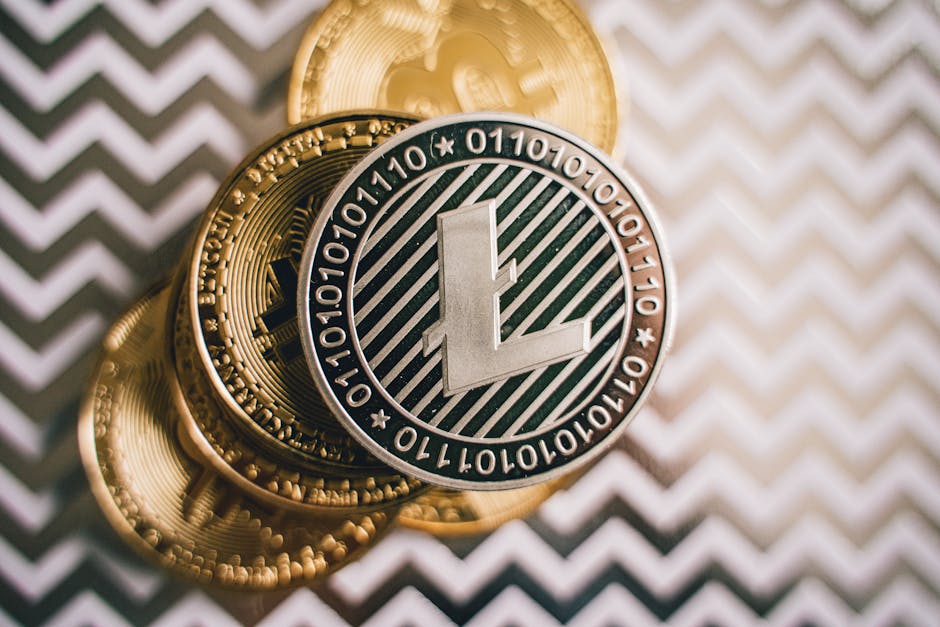
Understanding NFTs
NFTs are unique digital assets verified using blockchain technology. Unlike cryptocurrencies, each NFT has distinct information or attributes that make it impossible to replicate. This uniqueness has led to a surge in their popularity, with creators and artists capitalizing on this new medium to reach audiences worldwide.
Market Context
The NFT market is not just a fad; it reflects a broader shift in how we perceive value in the digital realm. As traditional economic systems grapple with inflation and uncertainty, the NFT ecosystem offers an alternative means of investment and wealth preservation. According to market reports, the NFT market is expected to witness significant growth, reaching approximately $21 billion by 2025. This growth is underpinned by several macroeconomic factors:
- Digital Ownership Demand: As more individuals spend time online, the need for digital ownership is rising. NFTs provide a method to establish ownership over digital content.
- Global Economic Conditions: With central banks around the world implementing measures such as low-interest rates and quantitative easing, investors are increasingly looking towards alternative assets like NFTs as a hedge against inflation.
- Technological Advancements: The integration of blockchain technology in various sectors is driving adoption. As the technology becomes more accessible, more people will enter the NFT market.
Step-by-Step Guide to Buying NFTs
Here’s a detailed guide to help you navigate the process of purchasing NFTs:
1. Set Up a Digital Wallet
To buy NFTs, you first need a digital wallet that supports NFTs and cryptocurrencies. Popular options include MetaMask, Coinbase Wallet, and Trust Wallet. Make sure to choose one that suits your needs and follows the necessary security protocols.
2. Purchase Cryptocurrency
Most NFTs are bought using Ethereum (ETH). You can purchase ETH from cryptocurrency exchanges such as Coinbase, Binance, or Kraken. Ensure you understand the fees associated with transactions on these platforms.
3. Choose an NFT Marketplace
NFTs are bought and sold on various marketplaces. Some prominent options include:
- OpenSea: The largest NFT marketplace, offering a wide range of assets.
- Rarible: A decentralized marketplace where users can create and sell their NFTs.
- Mintable: Focuses on user-friendly minting and selling processes.
4. Browse and Select Your NFT
Once you've funded your wallet, browse the marketplace for NFTs that interest you. Pay attention to details such as the creator's reputation, the NFT's rarity, and previous sales prices.
5. Make a Purchase
When you've chosen an NFT, click on the purchase button. You may need to approve the transaction in your wallet, which may incur gas fees—transaction costs for using the Ethereum network. Ensure you have enough ETH in your wallet to cover these costs.
6. Confirm Ownership
After the purchase is complete, confirm that the NFT appears in your wallet. You can also check the transaction on the Ethereum blockchain via explorers like Etherscan to ensure everything is legitimate.
SWOT Analysis of the NFT Market
Strengths
- Unique ownership of digital assets.
- Potential for high returns on investment.
- A growing community of artists and collectors.
Weaknesses
- Market volatility can lead to significant price fluctuations.
- High gas fees can make transactions costly.
Opportunities
- Expansion into new sectors such as virtual reality and gaming.
- Increased adoption by mainstream brands and celebrities.
Threats
- Regulatory scrutiny as governments seek to establish guidelines.
- Environmental concerns regarding the energy consumption of blockchain technologies.
Impact on Investors
The NFT market presents both risks and rewards for investors. While the potential for high returns exists, the market's volatility means that investors should conduct thorough research before delving in. Understanding the underlying technology, the asset's value, and the creator's background can significantly influence the investment outcome. As regulatory frameworks develop, they may also affect market dynamics, potentially stabilizing the market but also adding layers of complexity.
In summary, the NFT market continues to evolve amidst a turbulent economic landscape, and understanding how to navigate this space is crucial for both new and seasoned investors. By following this guide, you can confidently enter the NFT marketplace and explore the myriad opportunities it offers.