 Go Back


Navigating the Clarity Act: Implications for Crypto in 2023
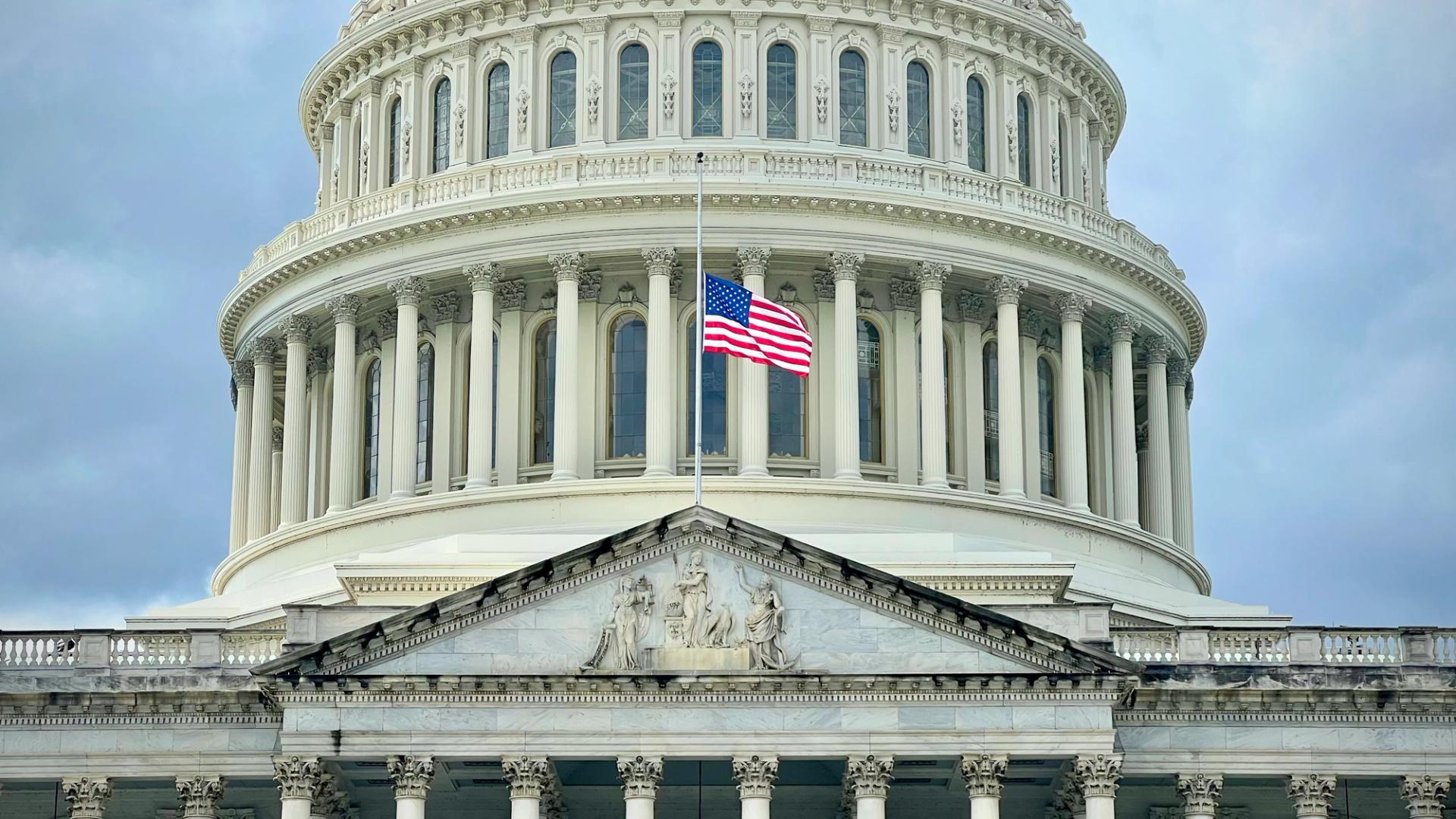
As the cryptocurrency landscape continues to mature, regulatory frameworks are increasingly coming to the forefront of discussions. The Clarity Act, currently under intense negotiation in the U.S. Senate, aims to bring a much-needed structure to the way cryptocurrencies are classified and regulated. With hopes for a vote in July, the implications of this legislation could reshape the future of crypto in the United States and beyond.
Quick Take
| Aspect | Details |
|---|---|
| Current Status | Negotiations ongoing in U.S. Senate |
| Expected Vote | July 2023 |
| Primary Objective | Establish clear regulatory guidelines for cryptocurrencies |
| Key Players | Crypto lobbyists, U.S. Senators |
| Potential Impact | Increased clarity may boost crypto adoption and investment |
Market Context
The Clarity Act is being negotiated in a macroeconomic environment characterized by uncertainty and evolving attitudes towards digital assets. In recent years, cryptocurrencies have experienced significant price volatility and regulatory scrutiny, which has stifled growth and innovation. The lack of clear guidelines has left many investors, companies, and developers in a state of confusion regarding compliance and operational practices.
In the wake of volatile markets, the need for a regulatory framework cannot be overstated. The Clarity Act seeks to bridge this gap by providing a uniform classification for digital assets, thereby offering legal certainty to various stakeholders. This proposed clarity is expected to encourage institutional investment and broader participation in the crypto market.
SWOT Analysis
Strengths
- Potential for Increased Investment: Clear regulations could attract institutional investors who have been hesitant due to uncertainty.
- Enhanced Credibility: A clear regulatory framework would enhance the legitimacy of cryptocurrencies, fostering general consumer trust.
- Innovation Facilitation: Developers might feel more encouraged to innovate without the fear of regulatory backlash.
Weaknesses
- Potential Overregulation: There is a risk that lawmakers could impose restrictive regulations that stifle innovation and entrepreneurial spirit in the crypto landscape.
- Political Factors: Ongoing negotiations may lead to compromises that do not fully address the complexities of the crypto ecosystem.
- Public Perception: Negative perception of regulatory interventions could hinder adoption among everyday users.
Opportunities
- Global Leadership in Crypto Regulation: The U.S. could position itself as a leader in crypto regulation, influencing international standards and practices.
- Broader Financial Inclusion: With clearer regulations, cryptocurrencies could become a viable alternative for the unbanked, promoting financial inclusivity.
- Growth of DeFi and Blockchain: Clear regulations can spur growth in decentralized finance (DeFi) and blockchain technology, contributing to a more robust digital economy.
Threats
- Competitive Disadvantage: If the U.S. enacts overly stringent regulations, it risks pushing innovation and investment toward more crypto-friendly jurisdictions.
- Market Manipulation: The introduction of regulations might unintentionally create avenues for market manipulation if not designed carefully.
- Technological Obsolescence: Fast-evolving technology in the crypto space may outpace regulatory responses, leading to ineffective or obsolete legislation.
Impact on Investors
For investors, the outcome of the Clarity Act negotiations will be critical. A clear regulatory framework could mitigate risks associated with investments in cryptocurrencies, as it would provide a structured environment for market activity. Institutional investors, in particular, are likely to respond positively, increasing their capital allocations toward crypto assets as confidence grows.
A well-structured Clarity Act could also lead to better protections for retail investors. With transparent guidelines in place, individuals would be better informed about their rights and protections within the crypto ecosystem. This could help to alleviate fears of fraud and mismanagement that have plagued the sector in the past.
However, investors should remain mindful of the potential downsides. If the legislation results in overly restrictive regulations, it could stifle innovation, limit the variety of available investment products, and ultimately reduce market liquidity. The balance between regulation and innovation will be crucial to ensuring a vibrant crypto market.
Conclusion
As the negotiations surrounding the Clarity Act continue, the outcome remains uncertain. However, its potential impacts on the cryptocurrency ecosystem are profound. Investors, developers, and market participants alike must stay attuned to developments, as the final legislation could set the stage for the next era of crypto in the United States. Whether this leads to greater adoption, enhanced innovation, or unanticipated challenges remains to be seen, but one thing is clear: regulatory clarity is on the horizon, and its implications will reverberate throughout the industry for years to come.
By staying informed and adaptable, stakeholders can navigate the complexities of this evolving landscape and position themselves to leverage the opportunities that arise from new regulatory frameworks.