 Go Back


Exploring the Potential of a New Cryptocurrency by 2026
The cryptocurrency landscape is continuously evolving, with new projects emerging rapidly to address the limitations of established players like Bitcoin and Dogecoin. As we look toward 2026, intriguing possibilities arise regarding whether a new cryptocurrency might outpace these giants in terms of user adoption, technological innovation, and market capitalization.
Quick Take
| Factor | Bitcoin | Dogecoin | New Cryptocurrency |
|---|---|---|---|
| Market Cap (2023) | ~$700 Billion | ~$9 Billion | TBD |
| Transaction Speed | ~10 min per block | ~1 min | TBD |
| Use Cases | Store of Value | Tipping / Memes | TBD |
| Community Engagement | Strong, but fragmented | Highly engaged community | TBD |
| Innovation Potential | Limited (due to stability) | Limited | High |
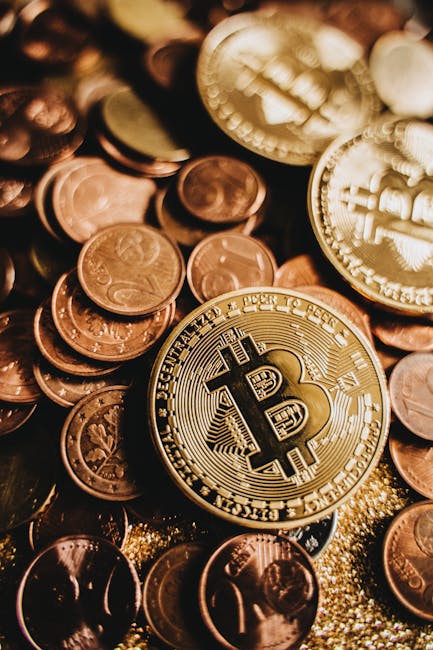
Current State of the Crypto Market
Bitcoin has established itself as the premier digital asset, often referred to as digital gold due to its scarcity and security features. However, its limitations in transaction speed and scalability hinder its utility for everyday transactions. Similarly, while Dogecoin has gained immense popularity, particularly as a meme currency, it lacks serious applications beyond its initial use case of tipping and community engagement.
In recent years, the emergence of decentralized finance (DeFi), non-fungible tokens (NFTs), and other blockchain innovations has started to reshape the crypto landscape. With the rise of these new protocols, a question looms: can a new cryptocurrency effectively address the shortcomings of Bitcoin and Dogecoin?
Market Context
The macroeconomic context plays a significant role in the crypto ecosystem. As inflation concerns persist and traditional fiat currencies face volatility, interest in digital assets as alternative stores of value continues to grow. Investors are increasingly seeking assets that can provide not only shelter from economic uncertainty but also yield potential long-term gains.
The proliferation of innovative blockchain technologies is also creating a fertile environment for new cryptocurrencies. Projects that focus on solving real-world problems, enhancing transaction scalability, and providing utility will likely attract significant investor interest. Consequently, if a new cryptocurrency can demonstrate practical applications and a robust community, it has the potential to disrupt the current market hierarchy.
Predicting the Future: What to Expect by 2026
Predicting which cryptocurrency could potentially replace Bitcoin or Dogecoin by 2026 requires an analysis of several key trends.
1. Technological Advancements
New projects that prioritize technological innovation, such as layer-2 scaling solutions or unique consensus mechanisms, could provide the speed and efficiency needed to attract mainstream adoption. If the new cryptocurrency can demonstrate a superior technology stack, it could position itself as a credible alternative.
2. Community and Adoption
The strength of a cryptocurrency community is vital for its success. A highly engaged and passionate community can drive adoption and usage. Therefore, as new cryptocurrencies emerge, the ability to foster a loyal following will play a crucial role in their long-term viability.
3. Real-world Utility
Cryptocurrencies that can integrate seamlessly into existing financial infrastructures or offer clear use cases for end-users are more likely to succeed. Financial applications, e-commerce integration, and cross-border payment solutions are areas where new entrants can thrive if they provide distinct advantages over incumbents.
4. Regulatory Landscape
Regulatory developments will continue to shape the crypto environment. A new cryptocurrency that can navigate the regulatory landscape effectively and maintain compliance will likely earn the trust of investors and users alike.
Impact on Investors
For investors, the rise of a new cryptocurrency presents both opportunities and challenges.
- Diversification: Investing in emerging projects can provide diversification, potentially reducing risk while enhancing the opportunity for gains.
- Risk Assessment: Understanding the technology, community backing, and market potential of new cryptocurrencies is critical. Investors should conduct thorough research and be wary of projects that lack transparency or innovation.
- Long-term Strategy: Given the volatility associated with cryptocurrencies, a long-term investment strategy focusing on fundamentals rather than short-term hype will likely yield better results.
Conclusion
While Bitcoin and Dogecoin have solidified their positions in the cryptocurrency hierarchy, the potential for a new cryptocurrency to emerge as a serious contender by 2026 cannot be overlooked. With the right combination of technological advancement, community support, and real-world utility, a new player could reshape the landscape of digital assets. As the market continues to evolve, investors should remain vigilant, informed, and open to the possibilities that lie ahead.
Tags
- Bitcoin
- Dogecoin
- Cryptocurrency
- Altcoins
- Blockchain Innovation
- Market Trends
- Investment Strategies