 Go Back

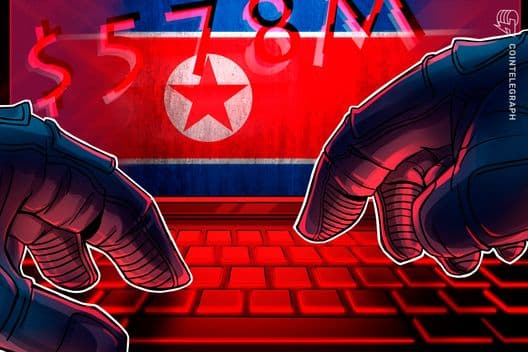
North Korean Crypto Heists: A $578M Wake-Up Call for Investors
The recent revelation that North Korean hackers were behind cryptographic thefts totalling $578 million in April, particularly following the Kelp DAO exploit, has sent ripples through the cryptocurrency landscape. As global markets increasingly intertwine with decentralized finance (DeFi) technologies, the implications of such massive breaches cannot be overlooked. This incident underscores the urgent need for enhanced security measures and regulatory scrutiny in the crypto space.

Quick Take
| Key Point | Details |
|---|---|
| Total Theft | $578 million |
| Primary Actor | North Korean hackers (DPRK) |
| Incident | Kelp DAO exploit |
| Broader Context | Expansion of hacking across crypto protocols |
| Potential Impact on Crypto | Increased regulation and security measures |
Market Context
The Growing Threat of Cybercrime in Crypto
The Kelp DAO exploit is not an isolated incident but part of a broader trend of escalating cybercrime linked to cryptocurrencies. Reports indicate that North Korean hackers have been increasingly active in targeting crypto platforms, exploiting vulnerabilities to fund the regime's activities. This type of attack poses a significant threat to the growing legitimacy of the crypto market, which is still in its formative stages.
- Historical Precedents: Previous incidents, such as the $250 million hack of the Ronin Network earlier this year, have shown that even well-established protocols can be vulnerable. This creates an environment of skepticism among investors and regulators alike.
- Impact on Market Confidence: Each major hack chips away at investor confidence, leading to increased volatility. This can cause not only immediate financial loss for investors but also long-term damage to the reputation of the entire sector.
- Regulatory Backlash: As hacks become more frequent and severe, governments are likely to tighten regulations. This could lead to restrictions on how cryptographic assets are traded, impacting liquidity.
Global Macroeconomic Influence
Given the interconnectedness of the global economy, North Korea’s cyber activities can have far-reaching effects.
- Economic Sanctions: The regime has long been subject to international sanctions, leading it to look for alternative funding sources. Cybercrime, particularly targeting cryptocurrencies, allows them to bypass traditional financial systems.
- Cryptocurrency as a Weapon: The use of crypto in this context transforms these assets from mere investment vehicles into tools for geopolitical maneuvering. This complicates the narrative around digital currencies, positioning them as both a financial opportunity and a risk-laden asset class.
Impact on Investors
Risk Management Considerations
For investors in the crypto space, the implications of North Korean cyber thefts are profound. Here are several considerations:
- Enhanced Due Diligence: Investors must engage in rigorous background checks on platforms and protocols. Understanding how a platform secures user assets and mitigates risks can be critical to safeguarding investments.
- Diversification Strategies: With the crypto landscape littered with potential pitfalls, spreading investments across various assets and protocols may help cushion against heavy losses from specific attacks.
- Regulatory Awareness: Staying informed about regulatory changes and compliance measures is essential. As governments respond to cyber threats, adapting investment strategies to align with emerging regulations will be crucial.
Long-term Outlook
While the immediate aftermath of the Kelp DAO exploit reveals potential pitfalls in security, it also offers opportunities for improvement:
- Increased Focus on Security Protocols: The market may see a surge in investment towards security technology, including blockchain audits, multi-signature wallets, and cyber insurance.
- Regulatory Clarity: As governments begin to impose stricter regulations, this could lead to a more secure and robust marketplace, ultimately attracting more institutional investment.
- Innovation and Resilience: The crypto industry has a remarkable track record for resilience following crises. Innovation will likely bloom in areas such as cybersecurity, helping to fortify networks against future threats.
Conclusion
The $578 million stolen by North Korean hackers serves as a stark reminder of the vulnerabilities inherent in the crypto ecosystem. As we move forward, both investors and regulators must confront the reality of cyber threats head-on. A proactive approach to risks, grounded in a comprehensive understanding of the geopolitical implications of crypto, will be essential in navigating this complex landscape. The lessons learned from incidents like the Kelp DAO exploit can guide the industry towards greater security and stability in the long run.
By recognizing and understanding the nuances of these threats, investors can better position themselves to make informed decisions, ensuring that they capitalize on the potential rewards while mitigating associated risks.