 Go Back

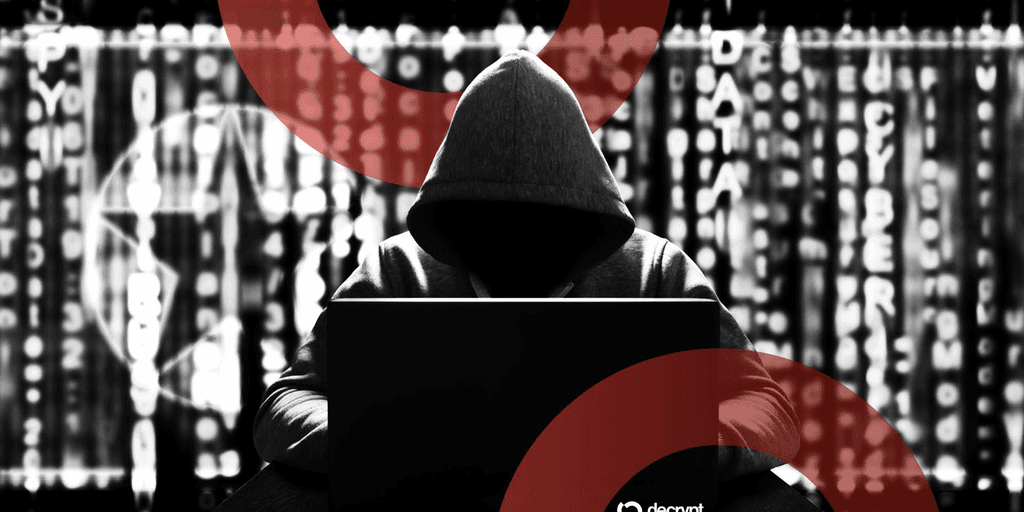
North Korean Hackers Highlight Crypto Security Threat with $6B Heist
The world of cryptocurrency has long been marred by security breaches, but recent developments bring a chilling new dimension to these concerns. North Korean hackers have drained a staggering $577 million from two decentralized finance (DeFi) platforms as part of an ongoing campaign that has seen them amass over $6 billion in stolen cryptocurrency. This alarming trend not only underscores the vulnerabilities in the crypto ecosystem but also raises significant questions about the future of digital finance in an increasingly hostile geopolitical environment.
Quick Take
| Key Points | Details |
|---|---|
| Total Stolen | $6 billion |
| Recent Heist | $577 million from two DeFi platforms |
| Geopolitical Context | North Korea's history of cybercrime |
| Impact on Crypto Markets | Increased scrutiny and potential regulations |
Market Context
The crypto market has become a prime target for cybercriminals, with North Korea's hacking operations exemplifying the vulnerabilities that plague DeFi platforms. This specific incident, where hackers siphoned off nearly $600 million in just a few transactions, reflects a growing trend where nation-states leverage cyber warfare techniques to fund their economies, particularly in countries facing international sanctions.
Historically, North Korea has been linked to multiple high-profile hacks, including the infamous 2014 Sony Pictures hack and the 2017 WannaCry ransomware attack. This consistent pattern of cyber aggression indicates a calculated strategy to utilize digital theft as a means of circumventing economic restrictions. With the ongoing development of blockchain technology and the rise of decentralized finance, these actors find fertile ground for their illicit operations.
The apparent ease with which North Korean hackers can infiltrate DeFi platforms raises significant concerns about the overall stability of the crypto market. As more users flock to various crypto projects, the potential for significant losses—due to breaches—becomes increasingly pronounced. This could lead to a chilling effect on investment as potential and existing investors weigh the risks associated with their holdings amidst a backdrop of heightened cyber threats.
SWOT Analysis
Strengths
- Decentralization: The nature of DeFi allows for greater accessibility and innovation, attracting a diverse range of participants.
- Transparency: Blockchain technology offers a transparent ledger, which can provide insights into malicious activities if properly monitored.
Weaknesses
- Vulnerable Infrastructure: Many DeFi platforms lack robust security measures, making them easy targets for hackers.
- Regulatory Gaps: The absence of comprehensive regulatory frameworks can lead to exploitation, as many platforms are not held to traditional standards of security and oversight.
Opportunities
- Security Innovations: The threat posed by hackers may prompt the development of more secure systems, creating a safer environment for users.
- Regulatory Evolution: As incidents like these accumulate, regulators may step in to enforce stricter security protocols in the crypto market, which could enhance investor confidence.
Threats
- Increased Cyber Attacks: As cryptocurrencies gain traction, the frequency and sophistication of cyber attacks are likely to escalate.
- Market Volatility: The potential for substantial losses due to hacks could lead to increased volatility within the crypto markets, as panic selling may ensue after breaches.
Impact on Investors
For investors, the implications of North Korean hackers stealing billions in crypto are multifaceted. Firstly, there is an immediate psychological impact; the fear of losing investments due to hacks can deter new entrants into the market. Investors may become more cautious, adopting a wait-and-see approach as they assess the security measures of various platforms before committing their funds.
Furthermore, the incidents can prompt investors to seek more established and reputable platforms that have demonstrated resilience against hacking attempts. They may prioritize investments in projects that emphasize security, potentially skewing the market towards those with higher barriers to entry and increased trust.
As the geopolitical landscape grows more complex, the intersection of international relations and digital finance will become even more pronounced. Investors will need to stay informed not only about market trends but also about the broader implications of global events that could affect the stability of their investments.
Looking Ahead
The theft of $6 billion in crypto by North Korean hackers serves as a stark reminder of the vulnerabilities embedded in decentralized finance. As the crypto market matures, security will need to be prioritized to protect investors and ensure the long-term viability of the ecosystem. With the potential for increased regulatory intervention and heightened scrutiny, stakeholders in the crypto industry must adapt to a new reality where security and transparency are paramount.
In conclusion, the stakes in the digital finance landscape are higher than ever, and as the battle between cybercriminals and crypto innovators continues, the resilience of the industry will be tested.