 Go Back


NYSE Integrates Blockchain: A New Era for Wall Street?
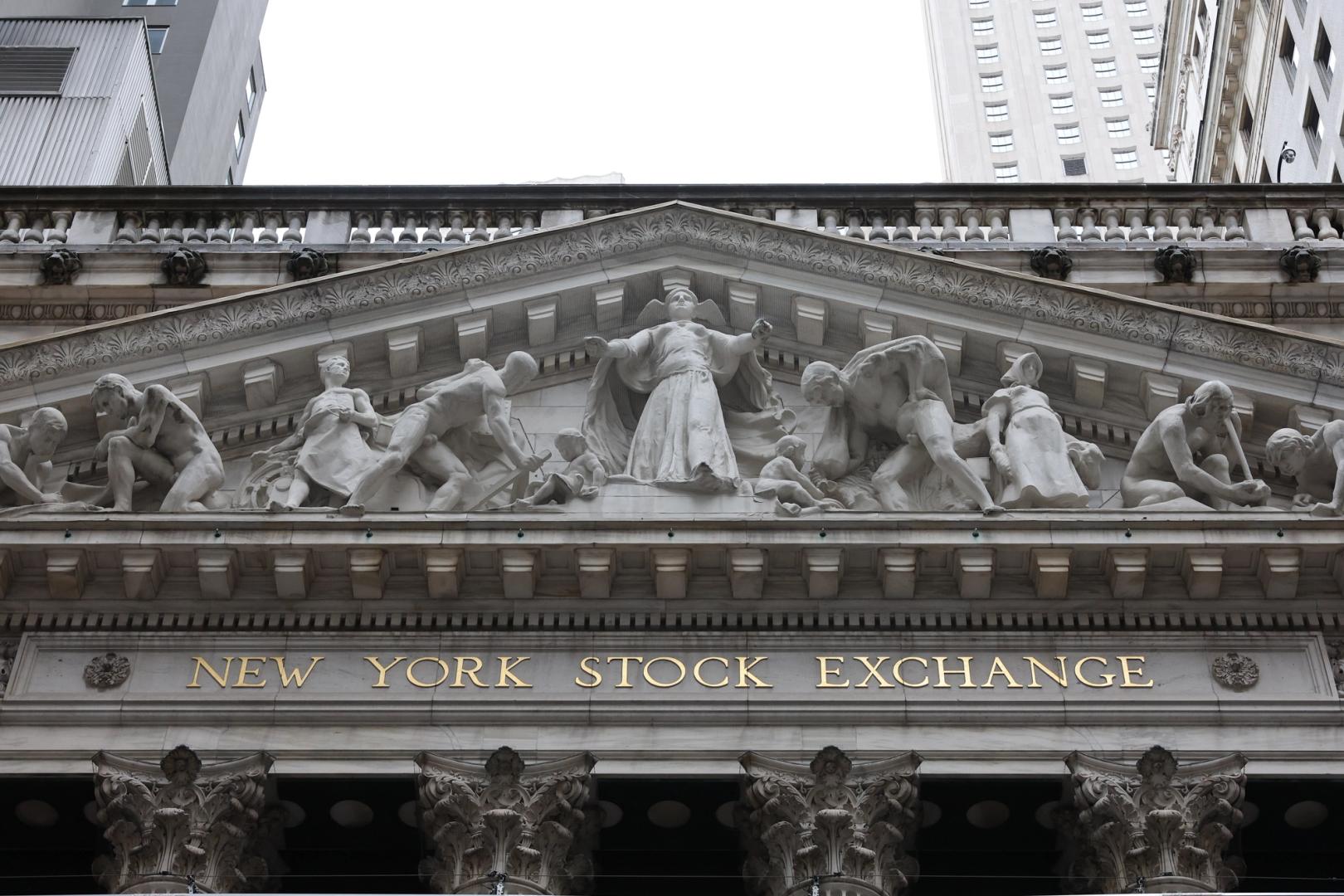
The New York Stock Exchange (NYSE) is exploring the integration of blockchain technology into its operations, aiming to enhance efficiency without dismantling its existing frameworks. Jon Herrick, the exchange's chief of product development, has emphasized that this integration will be layered over current systems rather than replacing them entirely. This approach might signify a turning point in the relationship between traditional finance and emerging technologies.
Quick Take
| Aspect | Details |
|---|---|
| Current Approach | Layering blockchain over existing systems |
| Key Figure | Jon Herrick, NYSE Chief of Product Development |
| Objective | Enhance efficiency and security without a complete overhaul |
| Broader Impact | May influence traditional finance's adoption of new tech |
Market Context
The adoption of blockchain in financial markets has been a topic of intense debate. While cryptocurrencies like Bitcoin and Ethereum have made headlines, traditional institutions have been slower to embrace these innovations. The NYSE's decision could reflect a broader trend where legacy systems begin to coexist with cutting-edge technologies. This hybrid approach might mitigate risks associated with a full-scale transition to a new system, which could be disruptive and costly.
Historical Perspective
Historically, the financial services sector has shown a cautious approach towards technological changes. The 2008 financial crisis prompted a reevaluation of existing systems, leading to some initial interest in blockchain as a potential solution for enhancing transparency and security. However, regulatory concerns and the need for stability have kept many institutions from fully committing.
In the years following the crisis, technologies like high-frequency trading and algorithmic trading have taken precedence, while blockchain has remained on the backburner. The NYSE's current strategy signals a shift in this dynamic, as it recognizes the potential benefits of blockchain without the urgency of a complete overhaul.
Impact on Investors
For investors, the NYSE's integration of blockchain could mean several things:
- Increased Transparency: Blockchain technology is known for its ability to provide a clear and immutable record of transactions. This could lead to greater trust among investors as they can easily verify trades and holdings.
- Potential Cost Reductions: By enhancing operational efficiency, blockchain could reduce transaction costs over time. Although initially there may be investments needed for implementation, the long-term savings could be substantial.
- Access to New Assets: As blockchain technology matures, the NYSE may facilitate trading of new asset classes, such as tokenized securities. This could open doors for retail investors to access previously exclusive markets.
- Regulatory Scrutiny: While the integration of blockchain could streamline processes, it may also attract increased regulatory attention. Investors should stay informed about potential compliance requirements that could arise as a result.
Looking Ahead
The NYSE's initiative to incorporate blockchain into its operations could be a significant step toward a more efficient and secure financial system. This development not only underscores the growing acceptance of blockchain technology but also demonstrates how traditional financial institutions are adapting to technological advancements without abandoning their foundational practices.
The future of finance might not lie in a complete overhaul of existing systems but rather in their evolution. As more exchanges and financial institutions consider similar strategies, the dialogue between innovation and tradition will likely shape the landscape of Wall Street and beyond.
In summary, the NYSE's layered approach to blockchain integration aligns with the broader trends in the macroeconomic environment, where technological adaptation is crucial for sustained growth and competitiveness. Investors and stakeholders should keep a close watch on these developments as they hold the potential to redefine investment strategies and market dynamics in the years to come.
Conclusion
With the NYSE's latest approach, Wall Street stands at a crossroads, where innovation meets tradition. The successful integration of blockchain could serve as a model for the financial sector, illustrating that progress does not always require radical change but rather thoughtful adaptation.
Tags
- Blockchain
- NYSE
- Finance
- Technology
- Investment Strategies