 Go Back

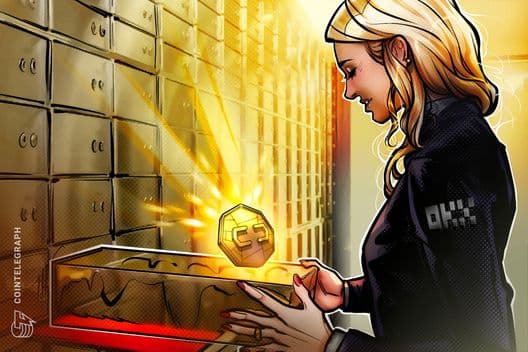
OKX Integrates BlackRock's Tokenized Treasury Fund: A Game-Changer?
Recent developments in the DeFi landscape have sparked significant interest, particularly with OKX's latest integration of BlackRock’s tokenized Treasury fund into Standard Chartered custody. This strategic move enables institutions to use this fund as regulated trading collateral, marking a notable intersection of traditional finance and digital assets.

Quick Take
| Aspect | Details |
|---|---|
| Integration | OKX adds BlackRock’s tokenized Treasury fund |
| Custody Partner | Standard Chartered |
| Use Case | Institutions can use it as trading collateral |
| Market Impact | Potentially increased institutional participation in DeFi |
The Good
The integration of BlackRock’s tokenized Treasury fund into OKX’s platform is a bold step forward for both the exchange and its institutional clientele. This fund, which represents a significant allocation of U.S. Treasury securities, is meticulously designed to offer a safe haven for institutional investors seeking the stability that government-backed assets provide. Here are some compelling advantages of this integration:
1. Enhanced Trust and Legitimacy
By partnering with BlackRock, one of the world’s largest asset management firms, OKX is not only enhancing its credibility but also fostering a sense of trust among potential institutional investors. The move signals a maturing crypto market where institutional players can engage with digital assets without compromising on safety and regulatory adherence.
2. Increased Liquidity
Institutions often have substantial capital reserves that can be unlocked through new investment vehicles. By using BlackRock's fund as collateral, OKX could see a boost in liquidity, enabling smoother trading operations and more dynamic market interactions.
3. Expanding Use Cases for DeFi
The ability to use tokenized Treasury funds as collateral opens up new avenues for financial products in the DeFi space. These funds could support a variety of applications, from lending and borrowing to derivatives trading, making DeFi more accessible for traditional financial institutions.
The Bad
While the integration of BlackRock’s fund has numerous benefits, there are also challenges that institutions might face:
1. Regulatory Scrutiny
The blending of traditional finance with DeFi is bound to attract regulatory attention. Institutions using tokenized assets may face rigorous compliance requirements, which could stall their operations or lead to unforeseen legal hurdles.
2. Market Volatility
Historically, the crypto market has been characterized by extreme volatility. Even with the backing of stable assets like Treasury securities, participating in DeFi exposes institutions to potential risks. Market fluctuations could impact the perceived value of their collateral, leading to margin calls or forced liquidations.
3. Technological Hurdles
The integration of legacy financial systems with blockchain technology can be cumbersome. Institutions may encounter challenges related to interoperability, scalability, and user experience when engaging with DeFi platforms like OKX.
The Ugly
Despite the promising aspects, there's a darker undercurrent to consider:
1. Centralization Concerns
The use of a custodial solution like Standard Chartered may run counter to the decentralized ethos of crypto. This centralization could lead to a concentration of power and control, potentially undermining the foundational principles that drove the creation of blockchain technology.
2. Dependence on Traditional Finance
As more DeFi platforms integrate traditional financial instruments, there is a risk of becoming too reliant on outdated systems and practices. This could stifle innovation and limit the transformative potential of decentralized finance.
Market Context
The crypto market is at a crossroads, where traditional financial institutions are starting to embrace digital assets, albeit cautiously. Recent trends suggest that institutional interest in crypto is growing, with companies increasingly looking for secure, regulated options for participation. BlackRock’s involvement in tokenization signifies a broader acceptance that digital and traditional assets can coexist and complement each other.
The current macroeconomic climate, characterized by rising interest rates and inflation, has prompted investors to seek out reliable asset classes. Tokenized Treasury funds provide a compelling alternative, especially for institutions that require liquidity without assuming excessive risk. As such, the strategic integration by OKX could serve as a bellwether for future institutional engagement in the DeFi space.
Impact on Investors
For individual investors, this shift towards institutionalization of DeFi could have profound implications, including:
- Greater Market Stability: As institutional capital flows into crypto, it could lead to less volatility and more predictable market movements.
- More Innovative Products: The use of tokenized assets may spur the development of new financial products that cater to both retail and institutional investors, expanding the overall market.
- Increased Education and Awareness: With large players like BlackRock entering the fray, there’s potential for improved understanding of DeFi among mainstream investors, which can drive further adoption.
In summary, OKX's integration of BlackRock’s tokenized Treasury fund represents a significant leap towards bridging the gap between traditional finance and DeFi. While there are benefits and drawbacks to consider, the overall trajectory appears promising, particularly for institutional investors looking for secure and innovative avenues to engage with the digital economy.