 Go Back


Quick Take
| Aspect | Details |
|---|---|
| Initiative | Mandatory National Bitcoin Mining Pool |
| Country | Oman |
| Investment | Over $700 million into industrial-scale Bitcoin mining |
| Regulation Type | State-backed, requiring participation from all miners |
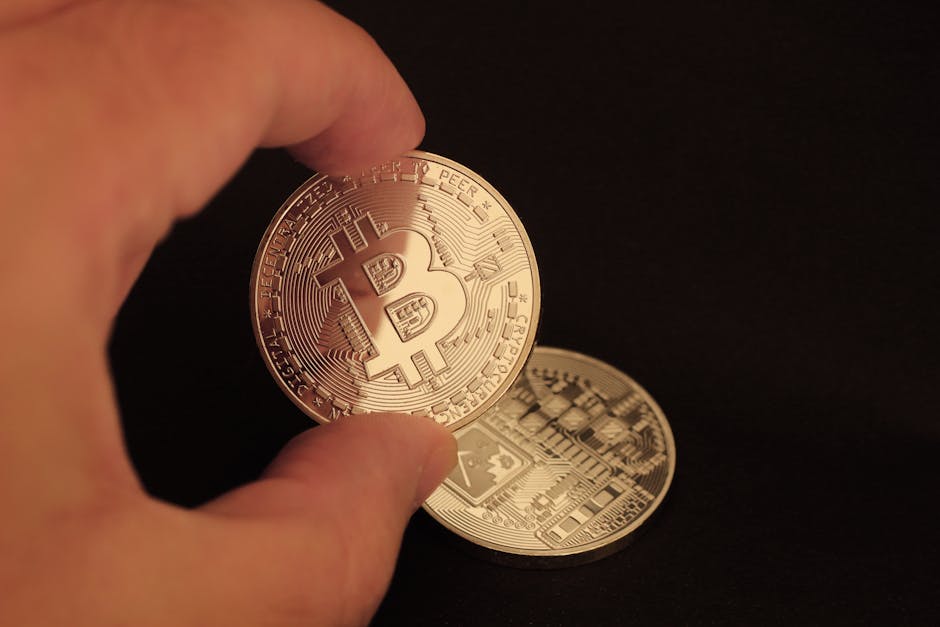
What is Oman's New Bitcoin Mining Initiative?
Oman's recent announcement to launch a mandatory national Bitcoin mining pool marks a significant shift in how governments approach cryptocurrency regulation and infrastructure development. This initiative requires all licensed Bitcoin miners within the country to participate in the state-backed mining pool. Such a move not only aims to exert regulatory control but also seeks to consolidate Oman’s position in the burgeoning crypto sector, especially in industrial-scale mining.
Why is Oman Taking This Step?
Oman’s initiative can be seen as a response to the growing global acceptance of cryptocurrencies and the increasing energy demands from Bitcoin mining. The country has identified an opportunity to leverage its natural resources for economic growth. By creating a national pool, Oman hopes to streamline operations, enhance regulatory oversight, and ensure that profits generated from mining stay within the state’s control.
Market Context
To understand the implications of Oman’s move, it is essential to look at it from a macroeconomic perspective. Bitcoin mining is not only a technical endeavor; it is also influenced by geopolitical factors, energy prices, and local regulations. Several countries, including China and Iran, have grappled with regulating mining operations to mitigate environmental impacts and ensure national security. In contrast, Oman is embracing this technology as a means to diversify its economy.
Historical Context of Bitcoin Mining Regulation
Historically, Bitcoin mining has been a decentralized and often unregulated activity, leading to various challenges, such as energy consumption disputes and unregulated power usage. Countries like China have enacted harsh crackdowns on mining, while others, such as El Salvador, have embraced it wholeheartedly. Oman’s proactive approach represents a middle ground—balancing regulation with participation.
Impact on Investors
Investors should pay close attention to Oman’s strategy, as it could serve as a model for other nations grappling with how to regulate the growing crypto industry.
Prospects for Investors
- Increased Stability: With a regulatory framework in place, investors might view Oman as a more stable environment for Bitcoin mining.
- Attracting Foreign Investment: A structured approach to mining with state support may lure foreign investors looking for opportunities in emerging markets.
- Focus on Sustainability: Oman's emphasis on state-backed mining could lead to discussions around sustainable practices in the industry, which is increasingly important to socially conscious investors.
Risks and Considerations
- Regulatory Overreach: While regulation can instill confidence, too much control may stifle innovation and deter new miners.
- Market Volatility: As the crypto market is notoriously volatile, any regulatory changes can lead to rapid shifts in investor sentiment and market conditions.
- Energy Costs: The profitability of mining is heavily influenced by energy costs, and any policies affecting energy prices could impact mining viability.
Conclusion
Oman’s launch of a mandatory national Bitcoin mining pool is not just a regulatory move; it reflects a larger trend of state involvement in the crypto economy. By fostering a controlled environment for Bitcoin mining, Oman aims to safeguard its interests while positioning itself as a key player in the global crypto landscape. As more countries grapple with how to regulate this dynamic industry, Oman’s model could serve as an important case study for balancing innovation with oversight.
In the coming years, how Oman navigates its mining policies will likely influence regional trends and could encourage other governments to explore similar frameworks. The implications for investors, miners, and the broader cryptocurrency ecosystem remain to be seen but are undoubtedly worth monitoring closely.