 Go Back

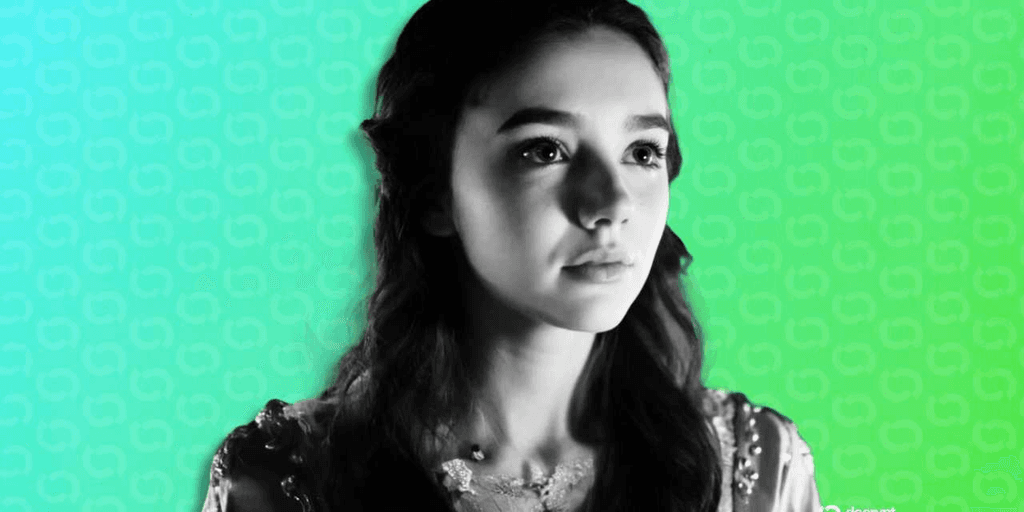
Oscars Ban AI Performances: A Shift in Creative Standards
The Academy Awards, known as the Oscars, have always been a beacon of artistic achievement in the film industry. Recently, the Oscars announced a significant update to their eligibility rules: moving forward, only human actors and writers can be considered for awards. This decision underscores a critical moment in the intersection of technology, creativity, and the evolving landscape of entertainment.

Quick Take
| Key Points | Details |
|---|---|
| New Rule | AI-generated performances and screenplays are banned. |
| Impact on Creativity | Emphasizes human creativity in storytelling. |
| Industry Reaction | Mixed responses from filmmakers and technologists. |
| Future Implications | Potential legal and ethical challenges ahead. |
The Rise of AI in Entertainment
In recent years, advancements in artificial intelligence have allowed for groundbreaking innovations across various industries, including film. AI tools can now generate scripts, create visual effects, and even simulate actors' performances. While this technological progress offers exciting new possibilities, it also raises questions about the authenticity of creative works and the role of human artists.
Market Context
The decision by the Academy can be framed within a broader macroeconomic context. As AI technologies become more prevalent, many sectors are grappling with the implications of automation and machine learning. In the entertainment industry, the debate over AI's role touches on both ethical and economic considerations:
- Job Security: As AI tools become more competent, there is an ongoing concern about job displacement in creative fields. Many artists fear losing opportunities to machines that can produce content faster and at a lower cost.
- Artistic Integrity: The essence of storytelling often lies in human experiences and emotions. By banning AI from eligibility, the Oscars emphasize the value of human creativity, which could steer the industry back toward traditional methods of storytelling.
- Consumer Preferences: Understanding audience preferences is essential. Many consumers gravitate toward authentic human experiences depicted in films. This ban may resonate well with audiences who appreciate the emotional depth that human performances can deliver.
Impact on Investors
For investors in the entertainment and technology sectors, the Oscars' decision presents a mixed bag of implications:
- Investment in Talent: With the ban, studios may refocus their investments on nurturing human talent rather than relying on AI-generated content. This could lead to a resurgence of interest in acting schools, writing programs, and mentorship opportunities.
- Technology Firms: Companies that develop AI tools for film production may face challenges as their products are sidelined in mainstream award considerations. This could impact their market value and influence investment decisions in the tech sector.
- Long-term Trends: If human-centric storytelling gains traction, it might set a precedent for future developments across various forms of entertainment, including television, video games, and digital content. Investors may want to watch for shifts in consumer engagement metrics and spending patterns in response to these changes.
Future Predictions
As AI continues to evolve, the entertainment industry's relationship with technology will likely remain complex:
- Legal Challenges: The ban may open the door to legal disputes over intellectual property and copyright issues related to AI-generated content. This could create a new field of legal examination as the lines between human and machine creativity blur.
- Cultural Shifts: Society's view on the role of technology in creativity may shift over time. As people become more accustomed to AI, the initial resistance might lessen, leading to potential policy changes in organizations like the Academy.
- Hybrid Models: We may see a rise in hybrid models where human creativity is complemented by AI tools, leading to a collaboration that retains the essence of human artistry while leveraging technology's efficiencies.
Conclusion
The Oscars' ban on AI performances and screenplays marks a momentous decision in the film industry's ongoing dialogue about technology's role in creativity. As this new standard takes root, it has the potential to influence not just the film industry but also broader cultural attitudes towards AI. Investors, technologists, and artists will need to navigate this evolving landscape with a keen understanding of both opportunities and challenges that lie ahead.
Tags
- AI in Film
- Creative Arts
- Oscars
- Technology
- Future of Entertainment