 Go Back

Quick Take
| Aspect | Details |
|---|---|
| Event | Ban on generative AI tools for Playdate development |
| Company | Panic, the creator of Playdate |
| Reason | To maintain a balance between creativity and productivity |
| Impact | Potentially reshaping the landscape of indie game development |
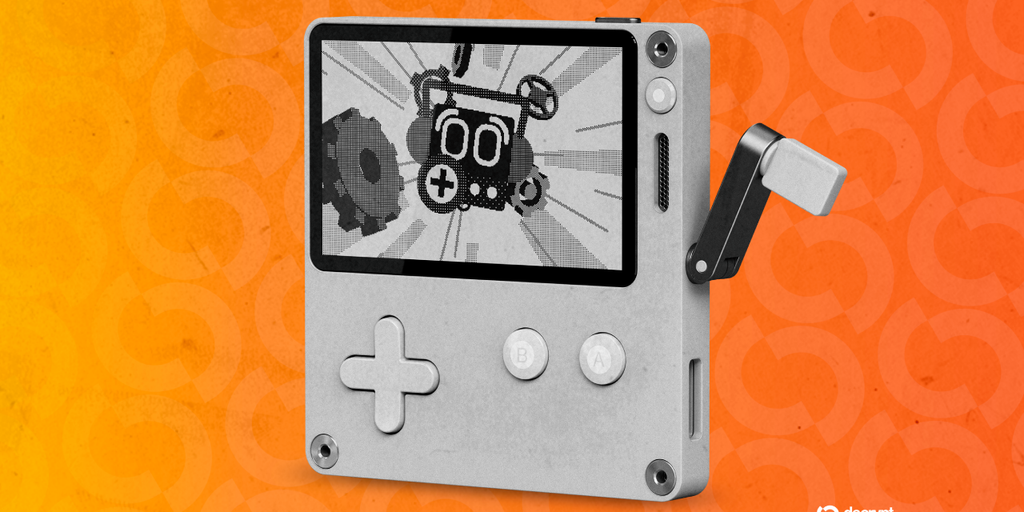
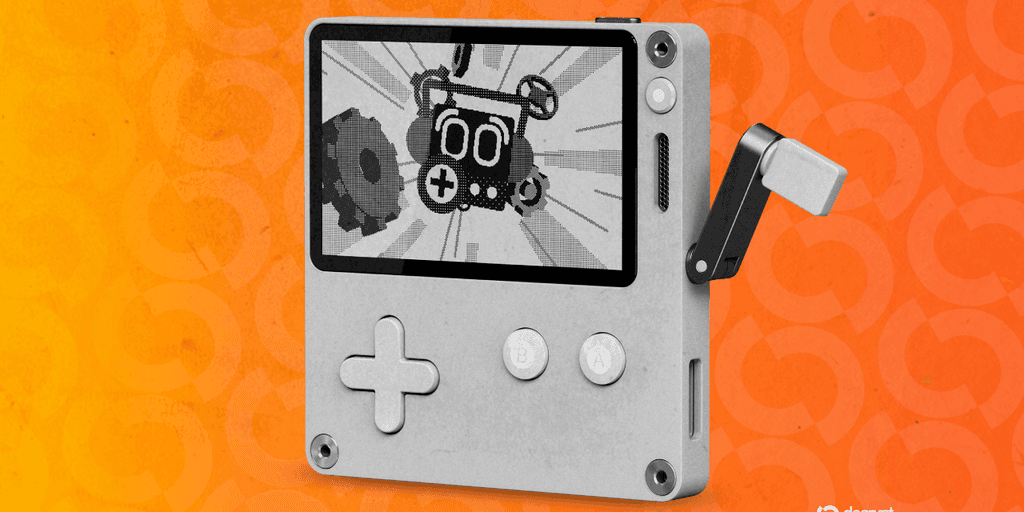
The gaming world is buzzing, fam! Panic, the company behind the adorable handheld Playdate, just dropped a bombshell. They've officially banned the use of generative AI tools in game development. For the uninitiated, this means no AI-generated characters, landscapes, or dialogue for the quirky titles that developers create on this unique device. Instead, they’re encouraging the use of productivity aids that enhance creativity without taking over the creative process. Let’s unpack this move and see what ripples it sends through the gaming and crypto communities, and ultimately how it affects us, the players!
Market Context
The Rise of Generative AI in Gaming
Generative AI has been making waves in various sectors, including gaming. From generating textures to creating narrative arcs, AI tools have become essential for some developers. With the likes of OpenAI's models and other AI-driven platforms, the potential for automated content creation seemed limitless. Yet, this growth has not come without its controversies. As many developers rely on these tools, the authenticity and originality of games are being questioned.
Why Panic Said No
- Preserving Creativity: The gaming industry thrives on creativity and uniqueness. By banning generative AI, Panic aims to ensure that every game on the Playdate is crafted with genuine human touch. This is crucial, especially in an indie scene where passion projects often shine the brightest.
- Quality Control: With generative AI, there’s always a risk of mediocre content flooding the market. By maintaining a human-centric approach, Panic hopes to elevate the quality of games on their platform.
- Developer Community: Panic has built a loyal and vibrant community of developers. This decision may strengthen community ties, as creators are encouraged to collaborate and support one another rather than rely on AI tools.
SWOT Analysis
Strengths
- Community Focus: By emphasizing human creativity, Panic fosters a strong community of indie developers.
- Brand Identity: This move strengthens Playdate's identity as a unique console with a focus on creativity, setting it apart from larger gaming platforms.
- Quality Assurance: Limiting AI tools can lead to higher-quality games, which could enhance user satisfaction and retention.
Weaknesses
- Development Limitations: Developers who rely on AI tools for efficiency may feel restricted, potentially deterring them from using the Playdate platform.
- Innovation Stifling: Generative AI can drive new ideas and innovation; banning it might slow down the creative process for some developers.
Opportunities
- Niche Market: By positioning itself as an AI-free zone, Playdate can attract a niche market that values originality and indie game culture.
- Partnerships: This could lead to opportunities for collaboration with other indie-focused platforms and projects that share similar values.
Threats
- Competitor Advantage: Other gaming platforms that embrace AI tools may pull ahead in terms of game quantity and variety, attracting developers seeking efficiency.
- Market Perception: If the gaming community perceives this ban as regressive, it could negatively impact Playdate's reputation in an increasingly tech-driven industry.
Impact on Investors
For investors keeping an eye on Panic and Playdate, this ban could have mixed implications. On one hand, a strong commitment to creativity might bolster long-term brand loyalty and community engagement, leading to sustained or growing interest in the handheld device. On the other hand, if developers feel constrained, the number of new titles might dwindle, which could lead to decreased user interest over time.
Investors should keep a close watch on how this ban influences game quality and developer sentiment moving forward. If developers embrace the challenge and produce exceptional games, we might see a revitalized indie game scene that boosts Playdate's market position.
In contrast, if developers begin to feel stifled, we could see a downturn in new titles, which could affect the Playdate’s sales and popularity.
Conclusion
Panic's ban on generative AI tools opens a significant chapter in gaming's narrative. As the industry grapples with the balance between technology and creativity, Playdate stands firm in its commitment to preserving the human touch in game development. The landscape will continue to evolve, and the success of this move will ultimately depend on how developers and players respond. Keep your eyes peeled for more updates from the Playdate universe, as this will be one wild ride!