 Go Back


Poland's Unique Position in the EU Crypto Landscape: A Long-Term Analysis
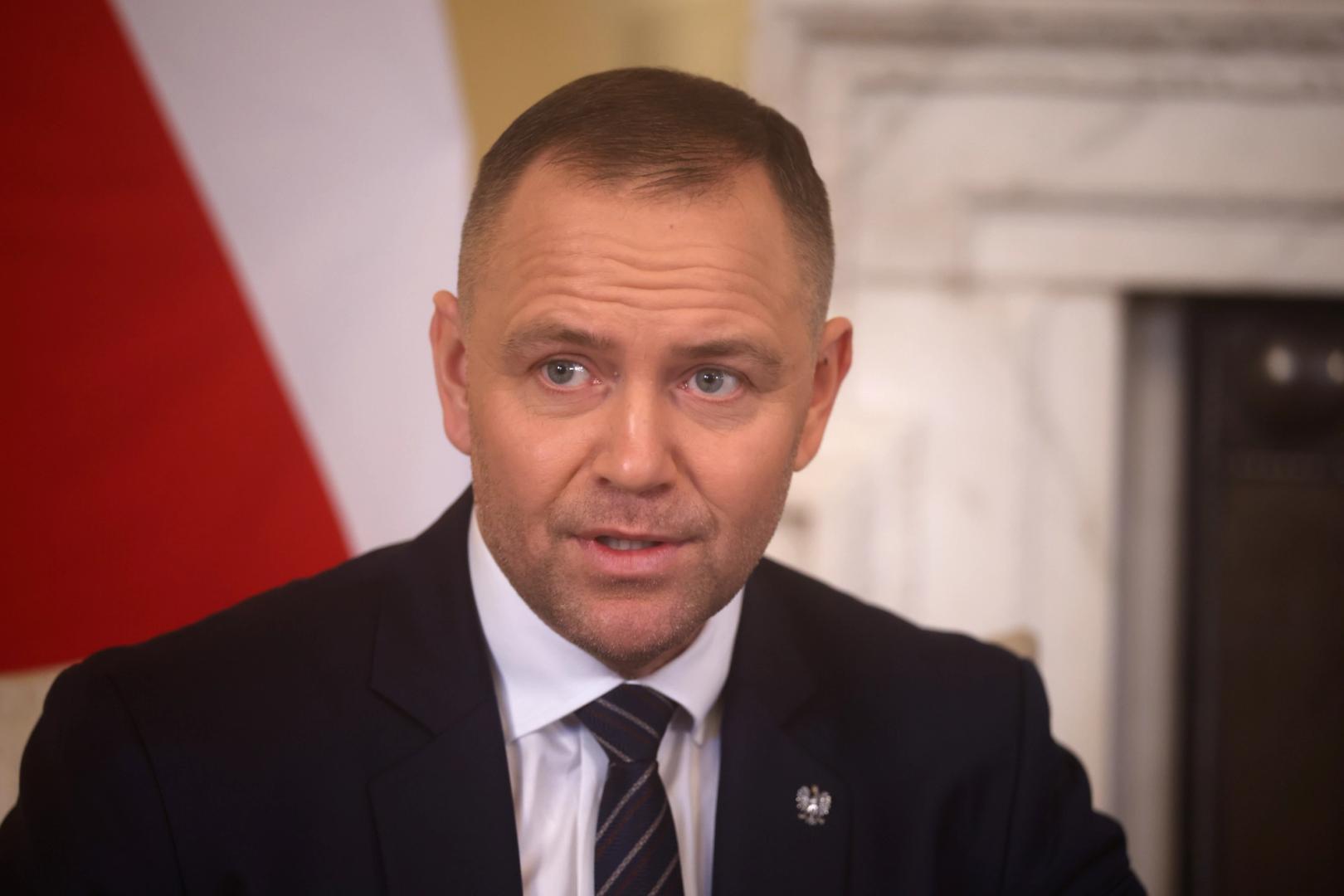
Poland has recently made headlines within the European Union's cryptocurrency regulations landscape by becoming the only country where crypto firms struggle to obtain a Markets in Crypto-Assets (MiCA) license. President Karol Nawrocki's refusal to sign a law that grants regulatory approval powers to the authorities has left many startups in the industry scrambling for alternatives. This unexpected turn of events raises significant questions about the implications for the Polish crypto sector, as well as its standing within the broader EU framework.
Quick Take
| Aspect | Details |
|---|---|
| Country | Poland |
| Regulatory Status | Unique challenge in obtaining MiCA license |
| President | Karol Nawrocki |
| Current Impact | Crypto firms are seeking licenses outside Poland |
| Future Implications | Potential market shifts and regulatory arbitrage |
Historical Context of Crypto Regulation in the EU
To understand Poland's current regulatory predicament, it is essential to consider the historical evolution of cryptocurrency regulations across Europe. The European Union has recognized the necessity of establishing a cohesive regulatory framework, culminating in the proposal of the MiCA regulation in 2020. MiCA aims to offer a unified licensing regime for crypto assets across member states, fostering innovation and ensuring investor protection.
However, Poland's distinct regulatory landscape has raised eyebrows. Traditionally, Poland has maintained a cautiously optimistic attitude towards cryptocurrencies, promoting innovation while implementing measures against potential misuse. This ambivalence has led to the current dilemma, where local firms find themselves unable to operate seamlessly under the EU's new regulations.
Market Context
Poland's current stance represents a significant departure from the regulatory approaches taken by its EU neighbors. Countries like Germany, France, and the Netherlands have embraced the MiCA framework, actively issuing licenses to crypto firms and fostering a vibrant ecosystem for digital assets. In contrast, Poland's regulatory paralysis threatens to stifle innovation and push crypto startups to seek licenses in more favorable jurisdictions.
The reluctance of President Nawrocki to endorse the MiCA licensing law may stem from broader political considerations or a desire to maintain a cautious approach to financial innovation. However, this decision has immediate ramifications for the Polish economy, particularly in attracting foreign investment and talent.
Impact on Investors
The implications of Poland's unique regulatory environment extend beyond local startups; they directly impact investors as well. With limited access to MiCA licenses, Polish crypto firms may struggle to establish the credibility necessary to attract investors. This situation creates a potential void in a market that has seen increasing interest from institutional and retail investors alike.
Investors naturally gravitate towards jurisdictions that provide clarity and security. As Poland's regulatory environment remains uncertain, firms may increasingly divert their operations to neighboring countries, thereby limiting investment opportunities in the Polish market. Furthermore, the potential for regulatory arbitrage could lead to a fragmented landscape within the region, where only the most adaptable firms survive.
Future Predictions
Looking ahead, there are several possible outcomes for Poland's crypto landscape. The first scenario involves a change in political sentiment, where President Nawrocki or future administrations adopt a more favorable stance towards crypto regulation, thereby allowing local firms to flourish under EU directives. Such a shift could reposition Poland as a competitive player in the European crypto market.
Conversely, if the current regulatory vacuum persists, we may witness a continued exodus of crypto firms seeking more accommodating environments. This could lead to a significant brain drain, with skilled professionals moving to countries that offer clearer regulatory frameworks. As a result, Poland risks falling behind in the rapidly evolving digital economy, losing its status as a tech hub in the region.
Conclusion
Poland's decision to resist the MiCA licensing framework illustrates the complexities of balancing innovation with regulatory caution. In a landscape where many EU nations are embracing cryptocurrencies, Poland's unique position could serve as a cautionary tale about the consequences of regulatory indecision. As the situation develops, both the Polish government and the crypto industry must consider the long-term ramifications of their choices, weighing the potential benefits of a more robust regulatory framework against the risks of stifling innovation.
As the crypto sphere continues to evolve, the eyes of industry stakeholders will undoubtedly remain fixed on Poland, assessing whether it will adapt to the changing tides of regulation or remain an outlier in the European Union.