 Go Back

Political Pressures on Crypto: A Deep Dive into Regulation Trends
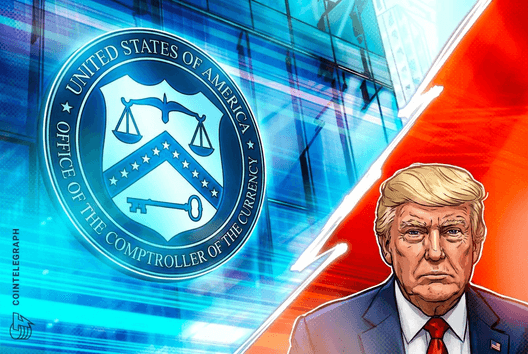
In a recent oversight hearing, U.S. Comptroller of the Currency Jonathan Gould highlighted a critical issue that could reshape the landscape of cryptocurrency regulations in the United States. The focus was on the political pressures surrounding the trust charter for cryptocurrencies, particularly as they relate to the influence of former President Donald Trump on the current regulatory framework. This discussion reflects broader themes of governance, market stability, and investor confidence in the increasingly intertwined worlds of politics and cryptocurrency.

Quick Take
| Key Points | Details |
|---|---|
| Event | Oversight hearing discussing crypto regulation and political influence |
| Key Figures | Jonathan Gould (U.S. Comptroller) and Gregory Meeks (New York Representative) |
| Political Climate | Increasing pressure from Democrats on crypto regulations |
| Influence of Trump | Discussion on how Trump's appointees affect regulatory approaches |
| Future Implications | Potential shifts in regulatory stance impacting market stability |
The Context of Crypto Regulation
Cryptocurrency has emerged as one of the most disruptive financial technologies of the 21st century. While it offers innovative potential for decentralized finance, the regulatory landscape remains conflicted and confusing. The recent exchange between Gould and Meeks sheds light on the shifting dynamics within regulatory bodies, mainly focusing on how political affiliations influence decision-making in crypto governance.
Historically, the growth of cryptocurrency has been accompanied by regulatory scrutiny. In the early days, regulators were primarily concerned with issues of fraud, security, and consumer protection. However, as the market matured, more nuanced conversations regarding trust charters and the legitimacy of cryptocurrencies as financial instruments began to take shape. The recent hearing underscores that the influence of political figures, particularly those linked to previous administrations, continues to affect how these regulations are formed and implemented.
Market Context
The interplay between politics and cryptocurrency regulation is not novel. The Trump administration was marked by a relatively laissez-faire approach to digital assets, allowing the market to flourish without stringent controls. In contrast, the current Democratic administration is advocating for stricter oversight and consumer protections.
Gould’s comments about only Democrats applying pressure hint at a more extensive political strategy aimed at securing a balance between innovation and regulation. This tension is essential for investors to understand, as it may signal upcoming changes that could either hamper or facilitate market growth. As of now, political winds are leaning toward more robust regulations, which could stoke fears of overreach and impact market sentiment negatively.
Implications for the Market
The regulatory shifts anticipated due to political pressures have immediate implications for investors:
- Increased Compliance Costs: As regulations tighten, companies within the crypto space may face higher compliance costs, which could ultimately be passed on to consumers.
- Market Volatility: Political rhetoric and real-world regulatory changes can lead to spikes in market volatility. Investors need to remain vigilant about political developments as they could influence short and long-term price movements.
- Investment Strategies: Investors might consider diversifying their portfolios to include assets less affected by regulatory changes or investing in companies that are favorably positioned to adapt to new regulations.
Future Predictions: An Evolving Regulatory Landscape
Looking ahead, the future of cryptocurrency regulation in the U.S. appears to be heavily influenced by the political climate. With an ongoing battle between the desire for innovation and the need for regulation, it is essential for stakeholders to remain agile.
The political landscape will likely continue to evolve, impacting regulatory approaches significantly. If the Democrats maintain their political power, we may see a push toward more comprehensive regulations that prioritize consumer protections, including clearer definitions of digital assets and stricter guidelines for financial institutions dealing in cryptocurrencies.
Conversely, a shift in power could lead to a reversal of current trends, allowing cryptocurrencies to operate with fewer restrictions. Such changes would likely attract more investment into the sector, spurring growth but also potentially increasing risks for consumers and investors.
Conclusion: Watching Political Trends
The discussion around political pressures on cryptocurrency regulations highlights the intricate relationship between governance and market dynamics. Investors must stay informed about these trends as they can have significant ramifications on market stability and investment strategies. As the crypto space continues to evolve, understanding the political machinations at play will be crucial for navigating this complex landscape effectively.
Ultimately, the dialogue surrounding cryptocurrency regulations is not just about numbers and charts; it's about how politics shapes the financial future. Keeping an eye on these developments will be essential for anyone involved in the crypto market today.