 Go Back


Justice Department Closes Powell Probe: Implications for Warsh's Fed Nomination
The recent decision by the Justice Department to close its investigation into Federal Reserve Chair Jerome Powell marks a significant shift in the landscape of U.S. monetary policy. With the probe behind, the Senate is gearing up for a vote on Kevin Warsh’s nomination to the Federal Reserve, a move that could reshape the Federal Reserve's approach as it navigates the complexities of the U.S. economy. 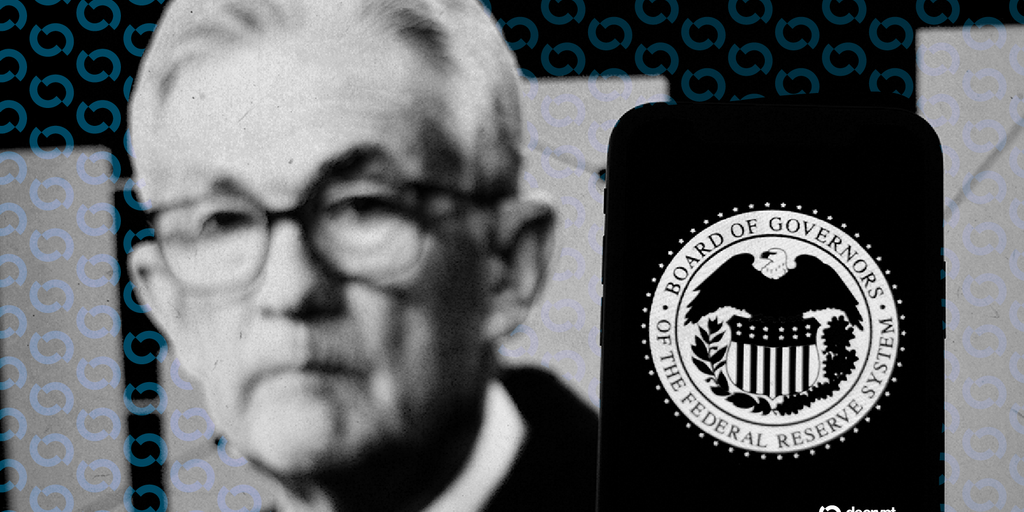
Quick Take
| Aspect | Details |
|---|---|
| Event | Closure of Powell probe |
| Key Figure | Kevin Warsh, nominated for Federal Reserve |
| Impact Area | U.S. monetary policy and economic stability |
| Potential Outcome | Shift in Fed's policy direction under Warsh |
Market Context
The Federal Reserve plays a critical role in shaping U.S. economic policy, primarily through its control over monetary policy, interest rates, and inflation. Jerome Powell’s tenure has been characterized by adaptive strategies in response to unprecedented challenges, including the COVID-19 pandemic, geopolitical tensions, and inflationary pressures. The closure of the probe removes a significant political hurdle, allowing for a smoother transition in leadership should Kevin Warsh's nomination be confirmed.
Warsh, who has previously served as a member of the Federal Reserve Board, is known for his unconventional views, especially regarding monetary policy. His nomination signals potential shifts in policy directions that could prioritize different economic strategies compared to Powell's.
Historical Context
In the past, the Federal Reserve has faced scrutiny regarding its transparency and decision-making processes. Powell’s leadership has been pivotal in navigating the Fed through the economic fallout of the pandemic. However, the nomination of Warsh, who has voiced skepticism about certain monetary policies, indicates a possible pivot to a more hawkish approach that could emphasize tightening monetary policy sooner than previously anticipated.
The timing of this nomination comes as inflation continues to challenge the economy, with global supply chain issues and energy prices contributing to rising costs. Investors are keenly watching how Warsh's confirmation might change the Fed's stance and strategy moving forward.
SWOT Analysis of Warsh’s Nomination
| Strengths | Weaknesses |
|---|---|
| Experienced in monetary policy | Potential resistance from progressive senators |
| Known for a critical view on current policies | Views may lead to volatility in markets |
| Could bring fresh perspectives to the Fed | Uncertain impact on long-term economic growth |
| Opportunities | Threats |
|---|---|
| Potential to address inflation concerns | Economic downturns may complicate policy shifts |
| Opportunity to reshape Fed's communication | Increased market volatility could ensue |
| Align Fed strategies with fiscal policy changes | Resistance from financial markets to policy shifts |
Impact on Investors
The closure of the probe and the potential confirmation of Warsh could have several implications for investors:
- Market Volatility: Investors may experience increased volatility as the markets react to Warsh's policy stance and potential shifts in interest rates.
- Interest Rate Expectations: If Warsh is confirmed and pushes for tighter monetary policy, it may lead to higher interest rates sooner than anticipated, which could affect borrowing costs and spending.
- Inflation Management: Investors should monitor how Warsh’s approach to managing inflation could impact various sectors, especially those sensitive to interest rate changes.
Conclusion
The Justice Department's decision to end its investigation into Jerome Powell not only clears the path for Kevin Warsh's nomination but also sets the stage for potential shifts in U.S. monetary policy. As the Senate prepares to vote, the implications of this nomination resonate across the economic landscape, influencing both short-term market reactions and long-term economic strategies. Investors should remain vigilant, preparing for possible adjustments in their portfolios as the Federal Reserve navigates these changes.
As the confirmation process unfolds, the economic community will be watching closely to understand how new leadership at the Federal Reserve may redefine the future of monetary policy in the United States.