 Go Back


Quick Take
| Metric | Q1 2026 Value | Year-over-Year Change |
|---|---|---|
| Total Transactions | $500 Billion | +15% |
| Active Wallets | 50 Million | +10% |
| Market Cap | $2 Trillion | +20% |
| Leading Cryptos | Bitcoin, Ethereum | - |
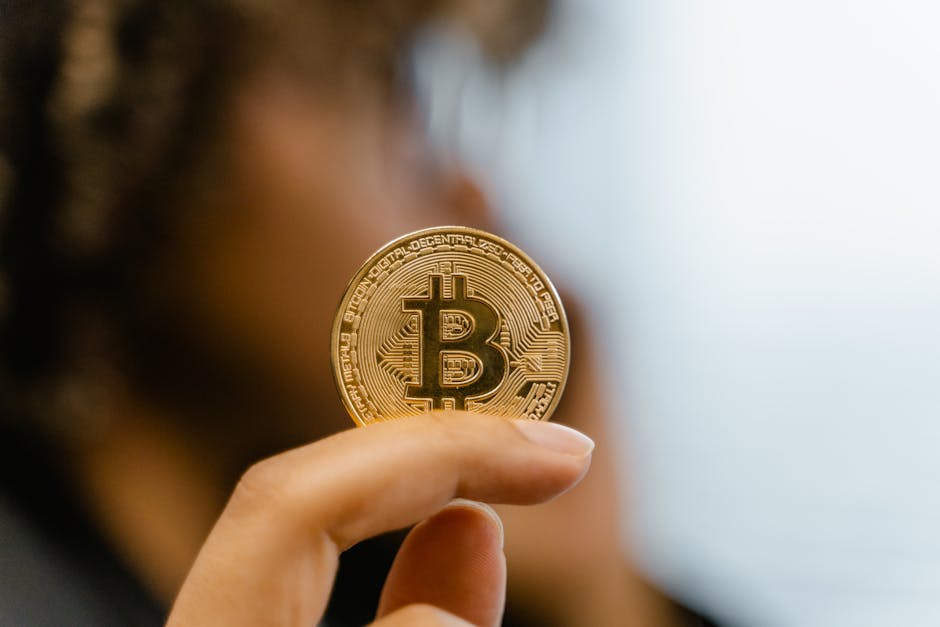
The cryptocurrency landscape is constantly changing, influenced by technological advancements, regulatory developments, and macroeconomic factors. Recent data for the first quarter of 2026 provides a compelling snapshot of the current state of the market, revealing both opportunities and challenges for stakeholders in the industry. In this post, we will analyze the transaction data for Q1 2026, contextualize it within the broader economic environment, and discuss its implications for investors.
The Good
The first quarter of 2026 has shown promising growth in the cryptocurrency sector, with total transactions reaching $500 billion, reflecting a 15% increase year-over-year. This growth can be attributed to several factors:
- Increased Adoption: Major corporations and financial institutions are integrating cryptocurrencies into their operations. This trend has significantly enhanced market liquidity and the overall appeal of digital currencies as viable assets.
- Technological Advancements: Innovations such as Layer 2 solutions and decentralized finance (DeFi) applications have improved transaction speeds and reduced costs, attracting more users to the ecosystem.
- Regulatory Clarity: In recent months, several countries have introduced clearer regulatory frameworks for cryptocurrencies, fostering a more secure environment for investors and businesses alike. This transparency has helped to build trust in the market.
The Bad
Despite these positive developments, there are also notable challenges that could adversely affect the market:
- Regulatory Uncertainty: While some jurisdictions have embraced cryptocurrencies, others have imposed stringent regulations, creating a patchwork of compliance requirements. This inconsistency can deter investment and hinder the growth of the sector.
- Market Volatility: Cryptocurrencies remain highly volatile, with significant price fluctuations observed even in the first quarter. Investors must navigate these swings, which can lead to substantial financial losses if not managed properly.
- Security Risks: As the market grows, so too do the threats posed by hackers and fraudsters. High-profile breaches and scams can undermine confidence in the space, impacting both new and existing investors.
The Ugly
The darker side of the cryptocurrency market cannot be ignored. Issues such as scams, environmental concerns associated with mining, and the rise of fraudulent schemes have cast a shadow over the industry.
- Scams and Frauds: Reports indicate that scams targeting uninformed investors are on the rise. These include Ponzi schemes and fake Initial Coin Offerings (ICOs), which can lead to significant losses for unsuspecting participants.
- Environmental Impact: Bitcoin mining, in particular, has drawn criticism for its energy consumption. As awareness of climate change grows, the industry faces increasing pressure to adopt more sustainable practices.
Market Context
To better understand the implications of the Q1 2026 transaction data, it is essential to consider the broader macroeconomic context:
- Global Economic Recovery: As economies worldwide recover from the pandemic-induced downturn, there is a renewed interest in alternative investments, including cryptocurrencies. The influx of institutional capital into the market signals a shift in perception, viewing cryptocurrencies as more than speculative assets.
- Interest Rates and Inflation: Central banks are grappling with rising inflation and adjusting interest rates accordingly. This environment encourages investors to seek assets that can provide a hedge against inflation, making cryptocurrencies an attractive option.
Impact on Investors
For investors, the data from Q1 2026 presents both an opportunity and a cautionary tale:
- Opportunities: The significant growth in transaction volume and active user engagement indicates a robust demand for cryptocurrencies. Long-term investors may find value in adopting a diversified portfolio of leading cryptocurrencies, alongside promising altcoins.
- Risks: Given the volatility and regulatory uncertainties, investors must exercise due diligence. Understanding market dynamics and maintaining a diversified portfolio can mitigate potential losses while allowing for capital growth.
In conclusion, the Q1 2026 cryptocurrency market data showcases a sector in transition. With robust growth driven by technological innovations and regulatory clarity, it paints a positive picture. However, the inherent risks and challenges should not be overlooked. Investors must remain vigilant and informed to navigate this rapidly evolving landscape effectively.
Tags
- Cryptocurrency
- Market Analysis
- Investment Strategy
- Regulation
- Blockchain Technology