 Go Back


Quick Take
| Topic | Details |
|---|---|
| Threat | Quantum computing capable of breaking encryption |
| Current Status | Today's blockchains are secure but need future-proofing |
| Recommendations | Prepare strategies to mitigate threats from quantum computing |
| Key Players | Coinbase Advisory Board highlights the need for action |
| Document Length | 50-page report assessing the implications of quantum technology for crypto |
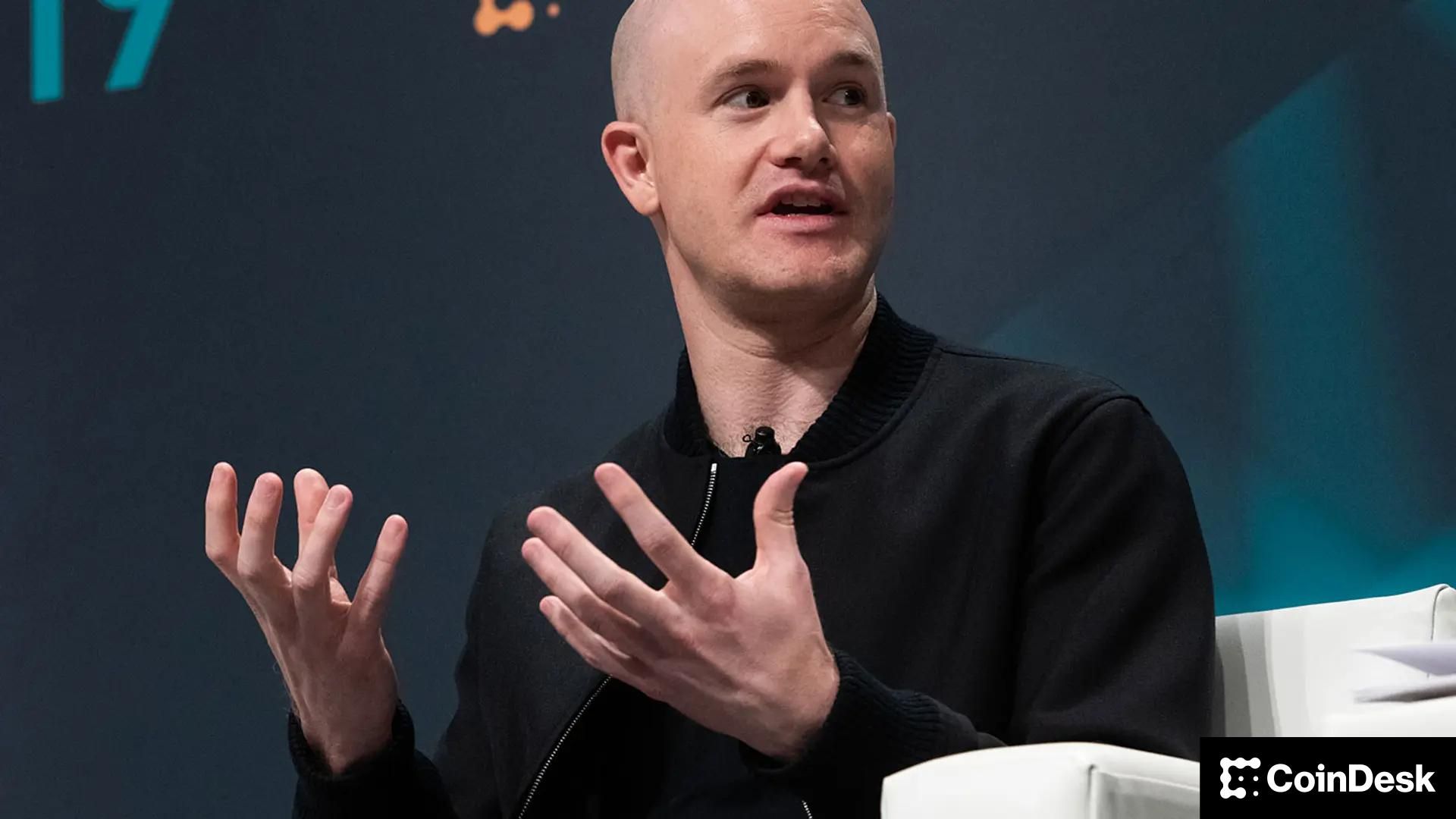
In a recent report published by the Coinbase advisory board, a clear warning emerged regarding the looming threat posed by quantum computing to the security of cryptocurrency networks. The extensive 50-page document outlines a future where fault-tolerant quantum computers could potentially break the encryption methods that underpin our existing blockchain technologies. With this significant risk on the horizon, it becomes imperative to delve into the implications of quantum computing on the crypto industry, assessing both the strengths and weaknesses as the community prepares for an uncertain future.
SWOT Analysis of Quantum Computing's Impact on Crypto
Strengths
- Enhanced Security Protocols: While quantum computers pose a risk, they also spur innovation in cryptography. The race to develop quantum-resistant algorithms could enhance the overall security framework of cryptocurrencies.
- Increased Awareness: The recognition of quantum threats heightens awareness within the crypto community, fostering proactive measures that may lead to stronger protocols and standards.
Weaknesses
- Current Vulnerabilities: Existing blockchain technologies, while secure today, rely on encryption that could be rendered ineffective by advanced quantum computers, resulting in potential breaches or theft of assets.
- Implementation Costs: Transitioning to quantum-resistant technologies may require significant investments in research, development, and infrastructure, potentially straining resources for smaller projects.
Opportunities
- New Market Dynamics: The advent of quantum computing could create entirely new markets and opportunities for decentralized finance (DeFi) projects that focus on quantum security solutions.
- Collaboration and Innovation: The urgency to address quantum risks may foster collaboration among blockchain projects, technology companies, and academic researchers to create robust solutions, driving innovation across the sector.
Threats
- Regulatory Challenges: As quantum computing evolves, regulators may impose new requirements on crypto projects, adding complexity and compliance burdens to the already challenging landscape.
- Market Panic: The mere suggestion of quantum threats could lead to panic within the market, resulting in price volatility and potential loss of investor confidence in cryptocurrencies.
Market Context
As global financial markets increasingly integrate digital assets, understanding quantum computing's potential impact becomes even more crucial. Currently, blockchain technology relies heavily on public-key cryptography, which secures transactions and user identities. However, advancements in quantum computing, particularly in error correction and quantum algorithms, could render these protections obsolete within the next decade.
In the broader context of financial technology, quantum computing is not merely a theoretical concern. Major tech firms are actively researching and developing quantum solutions, and some have already demonstrated quantum computers capable of solving specific problems faster than classical computers. This technological evolution raises critical questions about the preparedness of the cryptocurrency ecosystem to adapt.
Impact on Investors
Investors operating in the cryptocurrency space must be cognizant of the potential disruptions that quantum computing poses. The Coinbase advisory board's report serves as a clarion call for all participants—be it institutional investors, retail traders, or developers—to take quantum threats seriously. Here are several considerations for investors:
- Diversification: Given the uncertainty that quantum computing introduces, diversifying investments across different blockchain projects and assets can mitigate risks associated with potential breaches or vulnerabilities.
- Staying Informed: Keeping abreast of developments in quantum cryptography and blockchain security is essential. Investors who understand these technical aspects may be better positioned to make informed decisions.
- Long-Term Perspective: While the threat is real, it is crucial to remember that technological advancements are often met with innovative solutions. Investors should maintain a long-term perspective and assess the evolution of the industry in response to emerging challenges.
Conclusion
The Coinbase advisory board's cautionary message underscores the need for the cryptocurrency industry to prepare for the quantum computing era. By proactively developing quantum-resistant technologies and fostering collaboration, the crypto community can not only safeguard existing assets but also lead the charge in creating a more secure financial future. As we navigate this transformative landscape, both investors and projects must remain vigilant and adaptable to ensure resilience against the quantum challenge ahead.