 Go Back


Reimagining Enterprise Software: AI's Evolution and Investment Potential
Quick Take
| Key Insight | Description |
|---|---|
| Startup Funding | Recently raised $12 million in seed funding. |
| Objective | Aiming to transform enterprise software into a user-friendly prompt system. |
| Market Impact | Potential to streamline operations and enhance user engagement. |
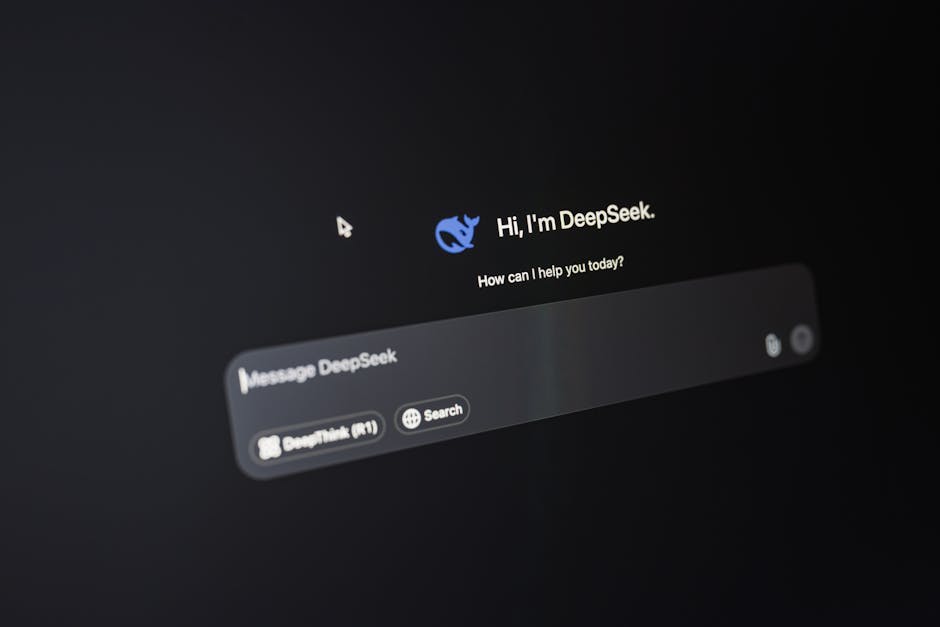
The recent announcement regarding a startup raising $12 million in seed funding to develop an AI operating system specifically tailored for enterprise software is more than just another funding round; it serves as a critical reflection on the evolving landscape of technology and business. This shift could redefine how companies engage with their software, which, in the grand tapestry of global macroeconomics, has far-reaching implications.
Market Context
The enterprise software market has traditionally been characterized by complex interfaces and steep learning curves. Companies have invested heavily in solutions that often require extensive training and adaptation periods, leading to user frustration and inefficiencies. However, the advent of artificial intelligence presents an opportunity to simplify and optimize these interactions. By making enterprise software more intuitive—akin to a conversational prompt—the barriers to entry are lowered, potentially democratizing access to vital resources and tools across various industries.
As businesses worldwide continue to grapple with the challenges posed by the global economic climate, including inflationary pressures and supply chain disruptions, the need for efficient and effective enterprise software has never been more pronounced. AI’s capacity to analyze vast datasets and deliver actionable insights in real-time can empower organizations to make informed decisions swiftly, thus enhancing their competitive edge.
Historical Context
The rise of AI in enterprise environments is not a sudden trend; it is the culmination of decades of technological advancements. From the early days of mainframe computing through the evolution of the internet and the introduction of cloud computing, each technological leap has shaped how businesses operate. AI is the next logical progression, as it integrates seamlessly with existing systems to optimize workflows, enhance productivity, and minimize human error.
The advent of machine learning and natural language processing has introduced new paradigms in how software can interact with users. Historical data indicates that organizations adopting new technologies tend to see significant returns on investment, further driving their inclination to innovate.
SWOT Analysis
Strengths
- User-Friendly Interface: By mimicking conversational prompts, the software could reduce learning curves significantly.
- Increased Efficiency: Streamlined processes could lead to improved operational efficiencies.
- Scalability: AI systems can adapt to varying business sizes and needs, making them suitable for a broad spectrum of enterprises.
Weaknesses
- Initial Investment: While seed funding is a strong start, extensive development and marketing could require more capital.
- Market Saturation: The enterprise software landscape is crowded; distinguishing this product may be challenging.
- User Resistance: Some employees may resist transitioning to new technologies, impacting adoption rates.
Opportunities
- Global Market Expansion: The integration of AI can open new markets, especially in developing economies that are increasingly digitizing their operations.
- Partnerships: Collaborating with established firms can enhance credibility and market penetration.
- Regulatory Trends: As industries become more regulated, AI can help ensure compliance effortlessly.
Threats
- Competitive Landscape: Established players may quickly adapt or improve their offerings in response to new entrants.
- Rapid Technological Advancements: The fast pace of tech innovation could render current solutions outdated.
- Cybersecurity Risks: The integration of AI opens new vectors for cyber threats, potentially jeopardizing user data.
Impact on Investors
From an investment perspective, this startup presents an intriguing opportunity. The $12 million in seed funding signals confidence from investors, but the true test lies in execution. An AI operating system that successfully reduces friction in enterprise software could disrupt the market, offering substantial ROI over time.
Investors should consider the broader implications of this technology. As businesses seek to enhance efficiency and adaptability, companies that provide innovative solutions will likely attract substantial demand. This startup has the potential not only to tap into a lucrative market but also to lead a transformative movement in how enterprises interact with their software.
In conclusion, while the journey ahead for this startup is fraught with challenges, the potential rewards in the context of global economic trends make it a prospect worth closely monitoring. The evolution of enterprise software towards a more intuitive, AI-driven model could redefine operational paradigms, yielding dividends for both businesses and investors alike.
Final Thoughts
As AI continues to weave itself into the fabric of enterprise solutions, the landscape will undoubtedly shift. Stakeholders must remain vigilant, informed, and adaptable to harness the full potential that this technology offers. The future of enterprise software looks promising, and those ready to embrace change will likely emerge as leaders in their respective fields.