 Go Back


Rising Oil Prices: Impact on Crypto and Stock Markets
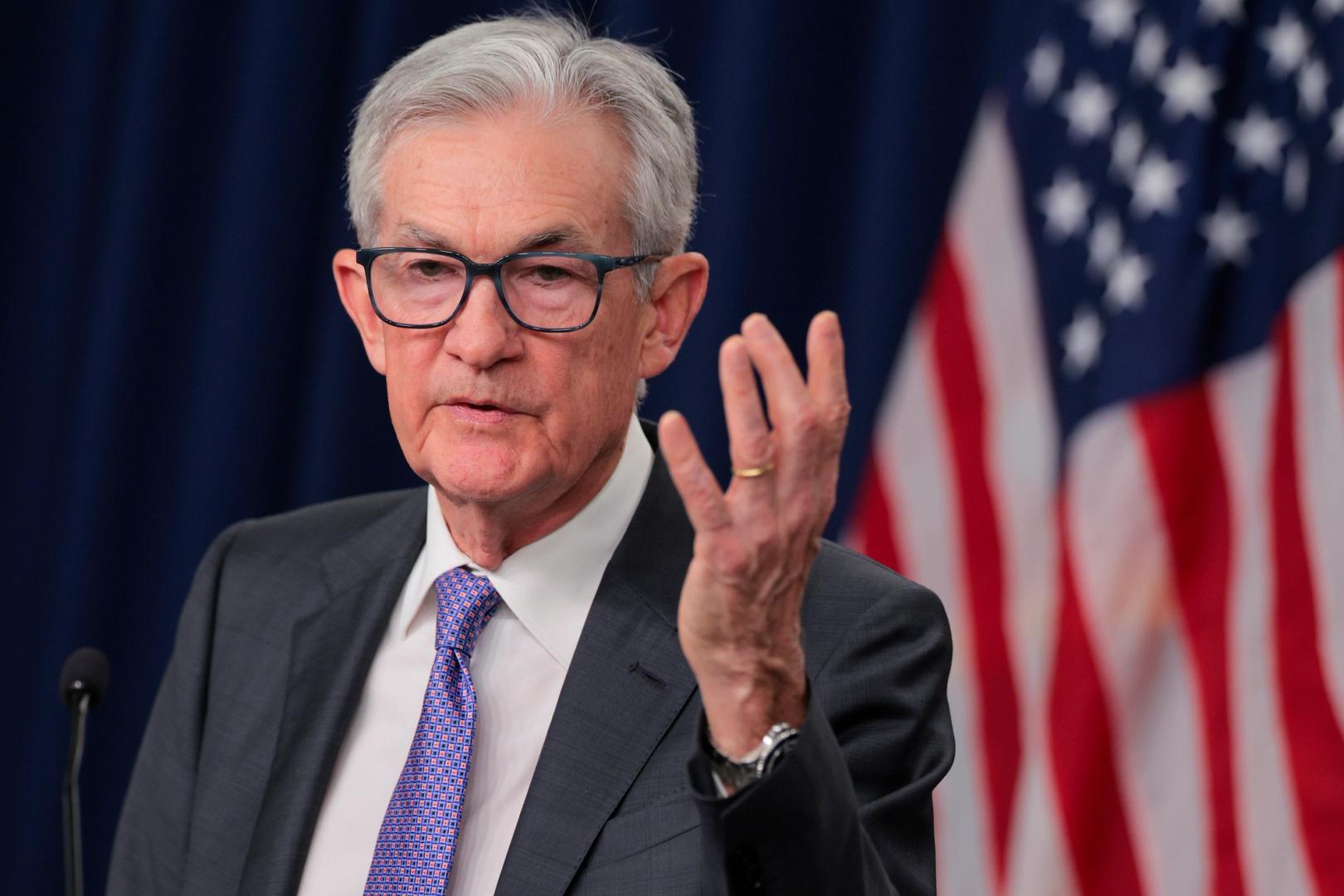
The recent surge in WTI crude oil prices, which has closed above $100 per barrel for the first time since 2002, has sent ripples through various financial markets. While comments from Federal Reserve Chair Jerome Powell have soothed the bond market, the rising oil prices are casting a dark shadow over cryptocurrencies and stocks. This post will explore the implications of these developments in a global macroeconomic context, revealing how investors should navigate this turbulent landscape.
Quick Take
| Aspect | Current Situation |
|---|---|
| WTI Crude Oil Price | Above $100 per barrel |
| Bond Market Reaction | Stabilized after Powell's comments |
| Impact on Stocks | Negative pressure on equities |
| Impact on Crypto | Increased volatility |
The Good: Oil Price Surge and Economic Growth
Oil prices often serve as a barometer for global economic health. A rise above $100 per barrel can indicate increasing demand, which is typically seen during periods of economic growth. Here are some potential positives:
- Economic Rebound: Higher oil prices can reflect a recovering economy, particularly post-pandemic, as industries ramp up production and consumer demand increases.
- Investment in Energy Sector: Higher oil prices may lead to increased investments in the energy sector, which could stimulate job growth and foster innovation in energy technologies.
- Strengthening Commodity Markets: An uptick in oil prices can rejuvenate commodity markets, providing opportunities for investors focused on physical assets.
The Bad: Pressure on Consumers and Inflation
However, the flip side of rising oil prices is not as rosy, particularly for consumers and businesses:
- Consumer Strain: Higher oil prices lead to increased transportation and production costs, which can result in higher prices for goods and services, thereby squeezing consumers' disposable income.
- Inflation Concerns: As oil prices rise, inflation fears mount. This can lead to tighter monetary policy from the Federal Reserve, which, although currently muted by Powell's comments, may not remain so for long.
- Waning Investor Confidence: Rising costs can also dampen investor sentiment in the stock market, as profit margins shrink for many companies, particularly those heavily reliant on oil and transportation.
The Ugly: Impact on Crypto and Stock Markets
The interplay between rising oil prices, inflation, and investor sentiment has profound implications for both the cryptocurrency and stock markets. Here’s a breakdown:
- Volatility in Crypto Markets: Cryptocurrencies are known for their volatility, and rising oil prices can amplify this. As investors react to inflationary pressures and shifting market dynamics, cryptocurrencies may experience wild price swings. This uncertainty could deter new investors from entering the space, particularly those who are risk-averse.
- Stock Market Struggles: Higher oil prices can lead to diminished expectations for corporate earnings, prompting stock sell-offs. Sectors that rely heavily on oil, such as airlines and transportation, could see significant declines, while energy stocks might experience short-term gains. However, investors should be cautious, as the overall market sentiment may still trend negative.
- Cross-Market Effects: The interconnectedness of markets means that movements in oil prices can trigger reactions across asset classes. For example, if oil prices rise and investors flock to traditional safe havens such as gold, it may result in further declines in both stocks and crypto as capital shifts.
Market Context
As we analyze the current market context, it’s essential to consider the broader macroeconomic environment. The geopolitical landscape, especially with tensions in Eastern Europe and OPEC's production decisions, plays a critical role in oil price movements. Additionally, the ongoing supply chain disruptions caused by the pandemic continue to influence both oil and commodity prices.
Fed's Role and Investor Sentiment
Powell's comments have provided some stability to the bond market, but as inflation concerns grow, the Fed may have to reassess its stance. Investors are closely watching for signs of tightening monetary policy, as any abrupt changes could further impact both stock and crypto markets. The interplay between these factors will likely shape market trajectories for the foreseeable future.
Impact on Investors
Investors will need to remain vigilant as they navigate these turbulent waters. Here are some strategies to consider:
- Diversification: With increasing volatility across asset classes, maintaining a diversified portfolio could help mitigate risks associated with rising oil prices.
- Focus on Energy Stocks: While overall market sentiment may be negative, some energy stocks could benefit from rising oil prices, offering potential upside.
- Monitor Economic Indicators: Keeping an eye on inflation rates and Fed announcements can provide insights into future market movements, allowing for timely adjustments to investment strategies.
In conclusion, the recent rise in oil prices is a complex development with far-reaching implications across multiple markets. As these dynamics evolve, investors will need to remain adaptable and informed in order to navigate the challenges and opportunities that lie ahead. By understanding the intricate relationships between these elements, investors can better position themselves for success in a rapidly changing economic landscape.