 Go Back

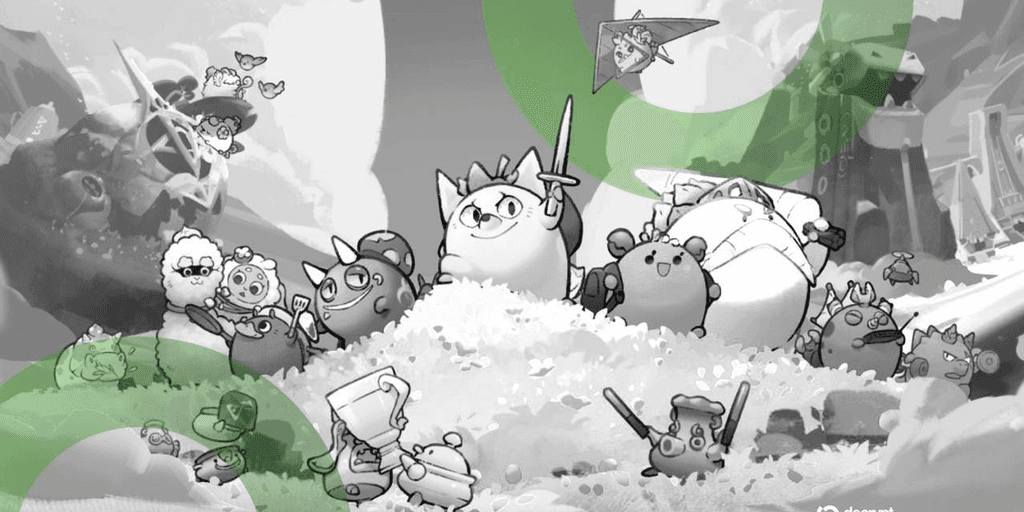
Ronin Network's Transformation: A New Era for Axie Infinity
The Ronin gaming network, primarily known for its association with the popular blockchain game Axie Infinity, is set to undergo a significant transformation. This comes as the network announces plans to migrate to Ethereum Layer-2, a move that aims to slash RON token inflation from a staggering 20% to below 1%. This decision marks a pivotal moment for both the Ronin network and the broader blockchain gaming ecosystem.

Quick Take
| Factor | Current Status | New Status (Post-Migration) |
|---|---|---|
| RON Token Inflation | Over 20% | Less than 1% |
| Developer Rewards Mechanism | Manual | Automated |
| Network Infrastructure | Standalone | Ethereum Layer-2 |
Understanding the Migration to Ethereum Layer-2
The Need for Change
The gaming landscape has seen a tremendous evolution, particularly in the realm of blockchain gaming. While Axie Infinity has enjoyed massive popularity, it has also faced challenges like high inflation rates of its native tokens, which have deterred new investors and players. The decision to migrate to Ethereum Layer-2 is not merely a technical upgrade but a strategic shift aimed at stabilizing the ecosystem.
What is Ethereum Layer-2?
Ethereum Layer-2 solutions are designed to improve the scalability and efficiency of the Ethereum blockchain. By processing transactions off-chain and then settling them on the main Ethereum network, Layer-2 solutions significantly reduce congestion and lower gas fees. This migration is expected to enhance the overall user experience for players and developers alike.
Market Context
Historical Background of Ronin and Axie Infinity
Launched in 2020, Axie Infinity quickly rose to fame as a pioneer in the blockchain gaming sector. The Ronin network was built specifically to facilitate the game's ecosystem, offering users a seamless experience for trading, breeding, and battling Axies. However, with rapid growth came the challenges of excessive token inflation, which raised eyebrows in the investor community.
The Economic Impact of High Inflation
Token inflation affects not only the value of the currency but also the incentives for players and developers. High inflation can lead to a diminishing return on investment for players and discourage developers from investing time and resources into the game. By reducing inflation, Ronin aims to create a more stable and attractive environment for all stakeholders.
Impact on Investors
Positive Outlook for RON Holders
The reduction of inflation to below 1% is expected to stabilize the RON token's value, making it a more attractive option for long-term investment. Investors often seek out cryptocurrencies with lower inflation rates, as they typically indicate a more sustainable and resilient economic model.
Encouraging Developer Participation
The introduction of automated developer rewards is also a game changer. In a space where developer engagement is crucial for innovation and growth, automating rewards can streamline the processes, incentivizing more developers to contribute to the Ronin ecosystem. This could lead to enhanced game features, improved gameplay mechanics, and ultimately, a richer experience for players.
Future Projections
The migration to Ethereum Layer-2 coupled with the adjustments in inflation and rewards creates a promising future for Ronin and Axie Infinity.
Potential Challenges Ahead
While the changes are largely seen as positive, the migration process is fraught with potential pitfalls. Issues such as temporary network instability or user adaptation to new systems could arise during the transition phase.
Broader Implications for Blockchain Gaming
Ronin's migration could set a precedent for other blockchain gaming platforms. If successful, it may inspire similar projects to adopt more sustainable economic models, ultimately leading to a more robust and mature blockchain gaming industry.
Conclusion
With this strategic pivot, the Ronin network is not just addressing its immediate concerns but also positioning itself as a leader in a rapidly evolving industry. The move to Ethereum Layer-2 and the reduction of token inflation represent a forward-thinking approach that may redefine the future of blockchain gaming. As the landscape continues to change, Ronin's success may well serve as a benchmark for other networks navigating the complexities of the blockchain economy.