 Go Back


Sam Bankman-Fried's Letter Raises Questions Amid Economic Uncertainty
A recent letter attributed to Sam Bankman-Fried, the founder of failed crypto exchange FTX, has ignited discussions around authenticity and regulatory implications in the crypto sector. The letter, shipped via FedEx, reportedly misidentified Bankman-Fried’s prison location, prompting prosecutors to raise concerns about its legitimacy. This incident occurs against a backdrop of shifting macroeconomic conditions that could have long-term implications for the cryptocurrency industry and its regulatory environment.
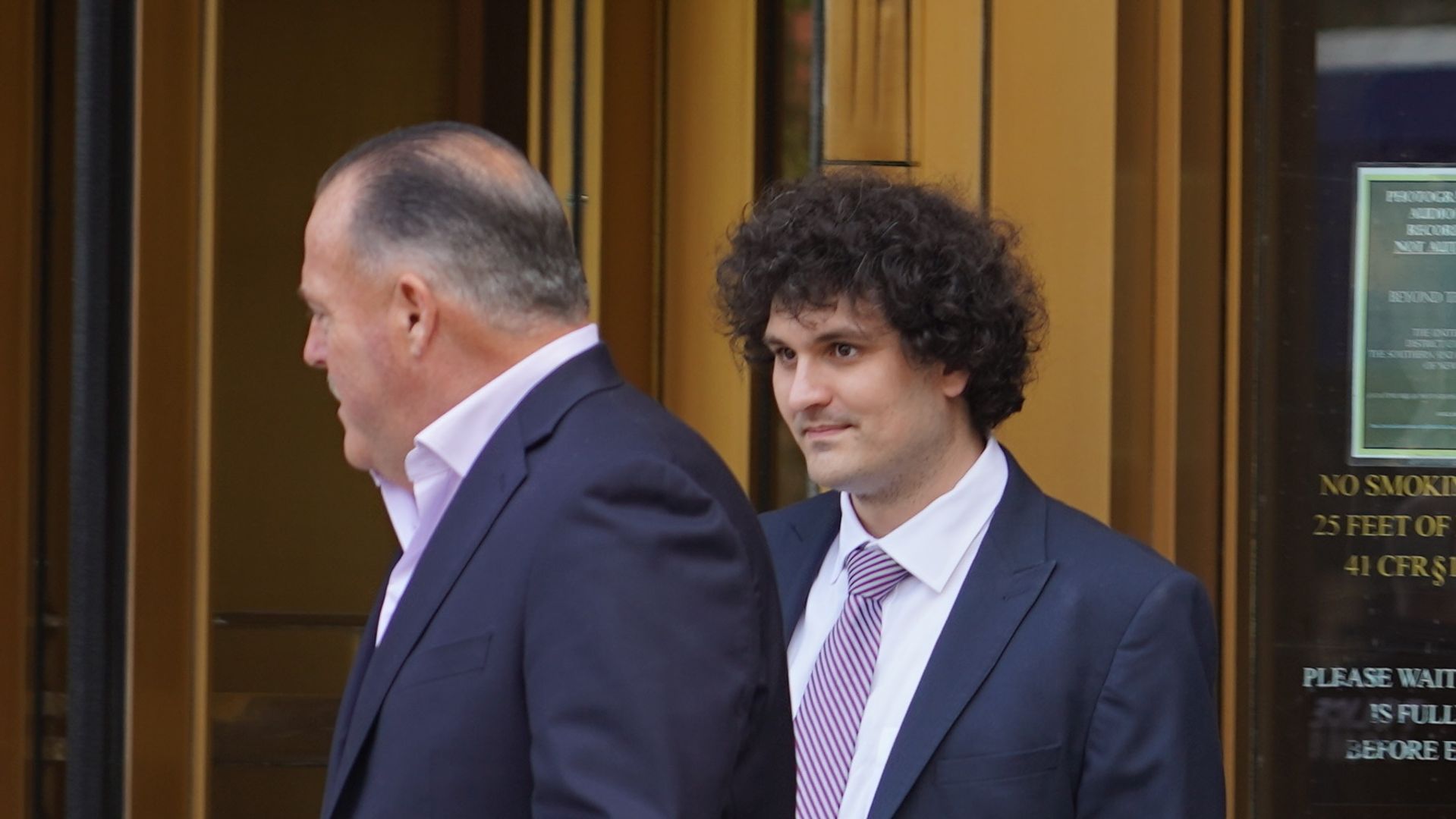
Quick Take
| Aspect | Details |
|---|---|
| Event | Sam Bankman-Fried's letter misidentified |
| Sender | Sent via FedEx |
| Implications | Questions of authenticity, regulatory scrutiny |
| Macroeconomic Context | Increasing scrutiny on crypto regulation due to inflation |
| Potential Impact on Crypto | Heightened regulatory measures, investor confidence issues |
Market Context
The cryptocurrency landscape has faced monumental upheaval over the last few years. From the meteoric rise of Bitcoin to the catastrophic collapse of FTX, the industry is still grappling with the repercussions of such events. The current macroeconomic climate, characterized by high inflation rates and changing interest rates, is reshaping investor sentiment and regulatory expectations.
Bankman-Fried's case has been a focal point in this evolving narrative, drawing attention not only to the mismanagement within his exchange but also to the larger systemic risks present in the cryptocurrency market. The letter’s misidentification raises alarms, not just about Bankman-Fried’s situation but about the potential for fraudulent activities within the broader crypto ecosystem.
SWOT Analysis of the Current Situation
Strengths
- Increased Awareness: The attention surrounding Bankman-Fried's case has propelled cryptocurrency regulation into mainstream discussions, potentially leading to more robust frameworks.
- Investor Vigilance: Market participants are becoming more discerning due to past failures, which can lead to more sustainable investments in the long run.
Weaknesses
- Regulatory Uncertainty: Continuous mismanagement cases like that of FTX contribute to a climate where regulations may be overly restrictive, stifling innovation.
- Trust Deficit: Incidents like this letter discrepancy can erode trust among investors and users, leading to a reluctance in participation.
Opportunities
- Regulatory Evolution: The potential for clearer and more comprehensive regulations can provide a safer environment for investors, fostering long-term growth.
- Market Consolidation: Stricter regulations might weed out weaker players from the market, allowing for a healthier ecosystem dominated by reliable firms.
Threats
- Heightened Scrutiny: As regulators respond to crypto crises, they might impose measures that could limit the operational flexibility of crypto entities.
- Market Volatility: Regulatory crackdowns could lead to further market instability, driving away retail and institutional investors alike.
Impact on Investors
The implications of Bankman-Fried’s letter extend beyond just a legal phenomenon; they resonate heavily within the investor community. As the narrative unfolds, investors must navigate a complex landscape where trust and authenticity are paramount. The uncertainty surrounding the legitimacy of communications from influential figures in the crypto world can lead to heightened caution among investors.
Moreover, regulatory changes instigated by incidents like this could affect everything from how businesses operate within the crypto space to how investments are made. Investors must stay informed and agile, adapting strategies to accommodate an increasingly dynamic regulatory environment.
Future Predictions
In the coming years, the cryptocurrency market is likely to witness a more structured regulatory landscape as authorities respond to incidents within the industry. This may result in a dual-edged sword scenario. While stricter regulations can lead to greater consumer protection, they may also limit the freedom of innovation that initially drove the excitement around cryptocurrencies.
As investors adjust to this new normal, those who can comprehend and navigate the evolving landscape will likely find opportunities to thrive. Staying abreast of regulatory developments and adapting to new requirements will be crucial for long-term success in the cryptocurrency market. The fate of many crypto projects will hinge not just on their technological capabilities but also on their compliance with emerging legal frameworks.
In summary, Sam Bankman-Fried's letter, while seemingly straightforward, encapsulates a critical moment in the ongoing evolution of cryptocurrency regulation. As the macroeconomic context continues to shift, the implications for investors and the broader market remain significant, demanding a careful and informed approach to engagement in the crypto space.