 Go Back


Should Satoshi's Bitcoin Be Frozen? The Quantum Threat Debate
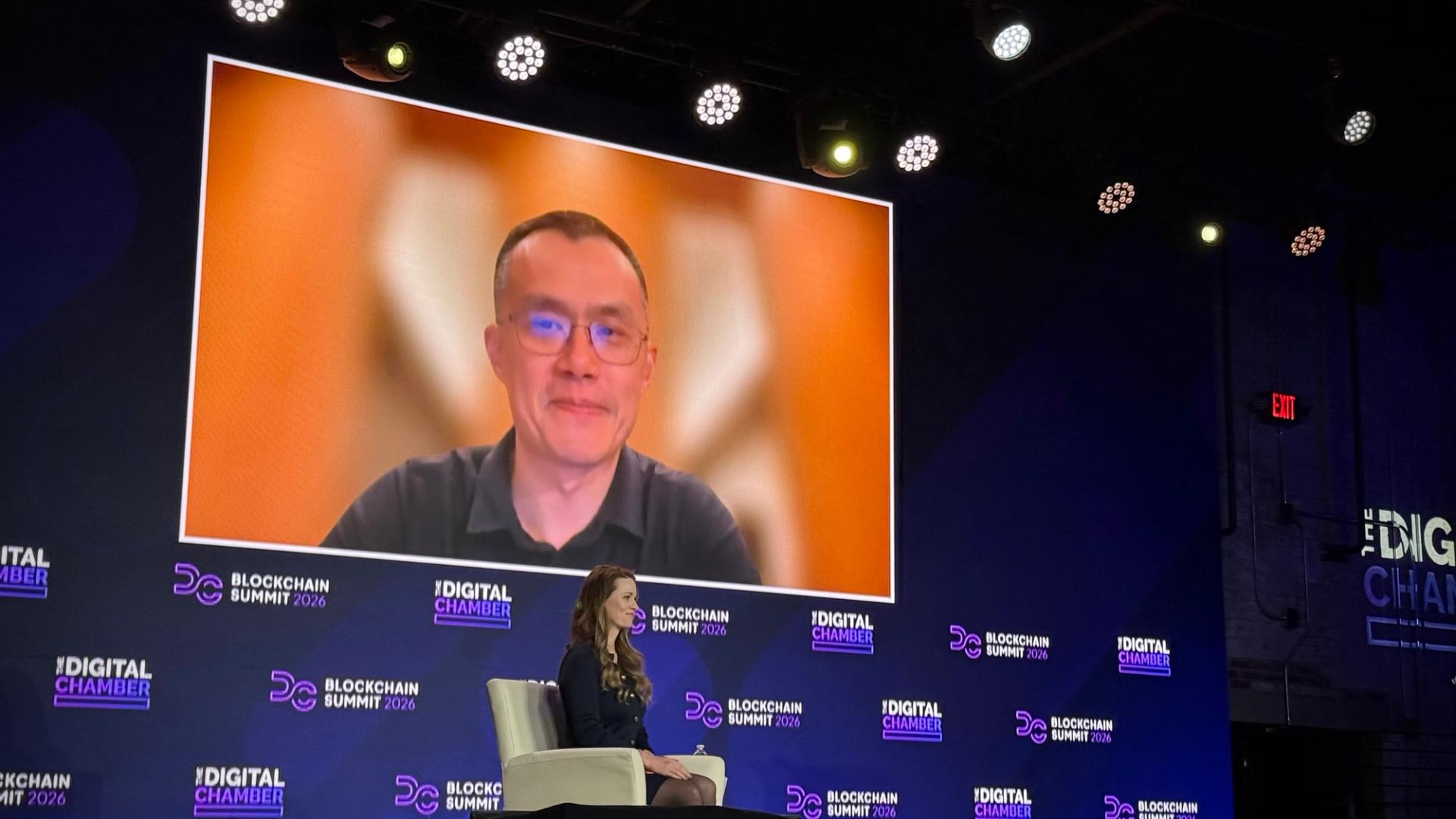
The cryptocurrency community is buzzing with opinions following a bold statement from Binance founder Changpeng Zhao, advocating for the freezing of 1.1 million Bitcoin attributed to Satoshi Nakamoto. This proposal comes amid growing concerns about the potential threats posed by quantum computing to the security of cryptocurrencies. Not all experts share Zhao's view, leading to a split among Bitcoin advocates. This article delves into the implications of this debate, the potential impact on the future of Bitcoin, and what this means for investors.
Quick Take
| Key Points | Details |
|---|---|
| Proponent | Changpeng Zhao, Binance founder |
| Amount of Bitcoin in Question | 1.1 million BTC held by Satoshi Nakamoto |
| Main Concern | Quantum computing threat to cryptocurrency security |
| Contrasting Views | Experts divided on the feasibility and necessity of freezing |
| Investor Implications | Potential impact on Bitcoin's market perception |
What Is the Quantum Threat to Bitcoin?
Quantum computing represents a significant potential threat to traditional encryption methods that underpin cryptocurrencies like Bitcoin. Current cryptographic techniques, such as those based on RSA and ECC (Elliptic Curve Cryptography), could be rendered vulnerable by sufficiently advanced quantum computers, which can perform complex calculations at unprecedented speeds. This concern raises important questions about the future security of Bitcoin and the integrity of its blockchain.
Understanding the Debate
Changpeng Zhao's proposal to freeze Satoshi Nakamoto’s Bitcoin is rooted in the belief that doing so could protect the network from potential quantum attacks. He argues that if quantum computers could access these private keys, it could lead to a massive theft of Bitcoin, undermining the entire ecosystem.
However, this proposal has sparked considerable debate within the crypto community. Some experts contend that freezing Bitcoin held by Satoshi would be unprecedented and could set a dangerous precedent for centralized control in a decentralized system. Others believe that the proactive measures are necessary to protect the future of Bitcoin against emerging threats.
Market Context
Historically, Bitcoin has undergone several challenges regarding its security, from hacks to regulatory scrutiny. The rise of quantum computing adds an entirely new dimension to the security landscape for cryptocurrencies. As quantum technology develops, it’s likely that the conversation surrounding security in the crypto space will intensify.
Historical Responses to Security Threats
- Forks for Security: The introduction of hard forks, such as Bitcoin Cash and Bitcoin SV, was partly influenced by disagreements over security and scalability issues.
- Regulatory Measures: Governments worldwide have been working to introduce regulations to protect investors, which can inadvertently impact the market dynamics of cryptocurrencies.
- Technological Upgrades: Initiatives like the Lightning Network aim to enhance Bitcoin’s scalability and transaction efficiency, reflecting ongoing efforts to fortify the network against various threats.
Impact on Investors
The discussion around freezing Satoshi’s Bitcoin is crucial for investors. Here’s how this debate could influence investor sentiment and market conditions:
Potential Investor Concerns
- Security Anxiety: If quantum computing poses a real threat, investors may reconsider their positions in Bitcoin, leading to market volatility.
- Trust in the Network: The idea of freezing Satoshi’s Bitcoin might be seen as a lack of confidence in the decentralized nature of Bitcoin, prompting fears about centralized interventions.
- Market Speculation: The ongoing debate could lead to speculation and uncertainty, potentially affecting Bitcoin's price dynamics in the short term.
Long-Term Considerations
- Technological Adaptation: As the crypto industry evolves, it’s expected that cryptographic solutions will adapt to counter quantum threats. Such advancements will be critical for maintaining investor confidence in Bitcoin.
- Increased Regulation: If the quantum threat becomes more pronounced, regulatory bodies may step in to provide frameworks that protect investors in a crypto environment.
Conclusion
The conversation surrounding the freezing of Satoshi Nakamoto's Bitcoin due to quantum threats is a reflection of the broader anxieties within the cryptocurrency space. As technology continues to advance, so too must the strategies to secure digital assets. While the potential dangers of quantum computing are genuine, the implications of freezing one of the largest Bitcoin hoards raise critical questions about the principles of decentralization and trust in the ecosystem. Investors must remain vigilant as these discussions develop, considering both the risks and opportunities that lie ahead in the ever-evolving landscape of cryptocurrency.
Tags:
- Bitcoin,
- Quantum Computing,
- Cryptocurrency Security,
- Changpeng Zhao,
- Blockchain Technology