 Go Back

Scammers Exploit Uniswap: A $400K Phishing Scheme Analysis
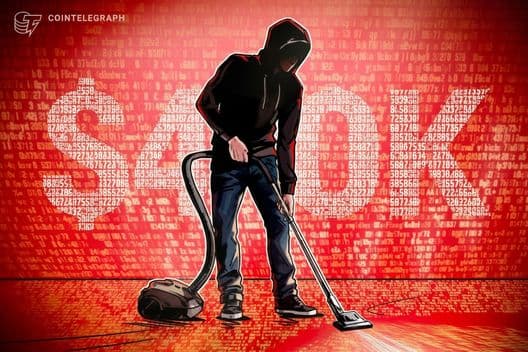
The crypto world is no stranger to scams, but the latest news about phishing ads impersonating Uniswap on Google Search has raised alarm bells. According to blockchain analysts, these malicious advertisements have reportedly generated over $400,000 for attackers, leaving unsuspecting users vulnerable to significant financial losses. This incident underscores the ongoing challenges of security in the decentralized finance (DeFi) sector and raises questions about regulatory measures that can be implemented to safeguard investors.

Quick Take
| Aspect | Detail |
|---|---|
| Scam Type | Phishing Ads |
| Victim Amount | $400,000 |
| Platform Targeted | Uniswap |
| Mechanism Used | Fake advertisements on Google Search |
| Regulatory Implications | Calls for stronger oversight and consumer protection |
Market Context
Uniswap, as a prominent decentralized exchange, holds significant importance in the crypto landscape. Its vast user base and the volume of transactions it facilitates make it a prime target for scammers. The incident with the phishing ads reflects the broader vulnerabilities within the DeFi environment. As decentralized exchanges gain popularity, the risks associated with them also escalate, especially concerning user education and security practices.
The emergence of scams like this one often correlates with the rapid adoption of cryptocurrencies. As more individuals venture into the crypto space, the lack of familiarity with proper security measures leaves them susceptible to exploitation. The anonymity and decentralized nature of cryptocurrencies add another layer of complexity. While they promote freedom and privacy, these features can also shield malicious actors from accountability.
SWOT Analysis
Strengths
- Decentralization: Uniswap operates on a decentralized model, which enhances privacy and trading freedoms for users.
- Innovative Technology: The platform uses smart contracts, which automate trades without third-party intervention.
- Community Engagement: Uniswap has a strong community that actively participates in discussions about security and improvements.
Weaknesses
- User Awareness: Many users lack understanding of how to identify and avoid scams, making them vulnerable.
- Regulatory Gaps: Current regulations may not adequately cover the decentralized finance space, hindering protection against fraud.
- Scalability Issues: High transaction fees during peak times can deter new users and create a negative experience.
Opportunities
- Increased Security Protocols: There is an opportunity for Uniswap to implement additional security measures, such as alerts for phishing attempts.
- Educational Initiatives: Developing educational resources can empower users to recognize and avoid scams.
- Regulatory Engagement: By cooperating with regulators, Uniswap can help shape more effective policies that protect users while preserving decentralization.
Threats
- Growing Sophistication of Scammers: Scammers are continuously evolving their tactics, making it harder for users to detect fraud.
- Market Volatility: The unpredictable nature of crypto prices can lead to hasty decisions by users, increasing the likelihood of falling for scams.
- Regulatory Crackdown: Increased scrutiny from regulators could result in stringent measures that might impact the usability of platforms like Uniswap.
Impact on Investors
The $400,000 phishing incident serves as a stark reminder for investors to be vigilant. For many newcomers to the crypto space, the allure of decentralized finance can overshadow the fundamental need for security awareness. The potential for substantial financial loss in such scams can deter people from investing in cryptocurrencies altogether.
Investors should implement strong security practices, such as using hardware wallets, enabling two-factor authentication, and staying informed about potential scams. Additionally, it raises the question of whether platforms like Uniswap should take a more proactive stance in protecting their users through better security measures and educational campaigns.
Moreover, this incident could catalyze discussions among regulators regarding the need for consumer protection within the DeFi space. Investors should remain aware of ongoing regulatory developments that could impact the overall safety and functionality of decentralized platforms.
Conclusion
This recent phishing scheme highlights the intricate balance between decentralization and user security. As the DeFi landscape continues to evolve, it’s crucial for both platforms and investors to adapt to the changing threat environment. Ongoing education, combined with robust security measures, will be essential in safeguarding against future scams, ensuring that the promise of decentralized finance is not overshadowed by the dark shadow of fraud.