 Go Back

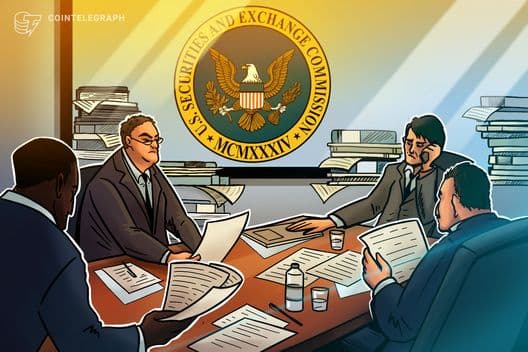
SEC Delays Tokenized Stock Trading: What’s Next for Crypto?
The buzz in the crypto community is palpable as the SEC has decided to hit the brakes on a proposal that could have opened up the floodgates for tokenized stock trading. With this delay, there are rippling effects not just for cryptocurrency enthusiasts but for the broader financial landscape as well. Here’s what you need to know.

Quick Take
| Key Points | Details |
|---|---|
| Regulatory Body | U.S. Securities and Exchange Commission (SEC) |
| Proposal Type | Innovation exemption for tokenized stocks |
| Current Status | Delayed due to industry concerns |
| Impact on Crypto | Significant regulatory implications |
| Future Outlook | Uncertain, depending on regulatory responses |
What Happened?
Recently, the SEC announced it would postpone its plan to allow for an innovation exemption that would have permitted tokenized stock trading. This came after receiving significant pushback from various sectors within the industry. Tokenized stocks, essentially digital representations of traditional equity, have been championed for their potential to democratize access to investments and increase liquidity.
Why This Matters
The Promise of Tokenized Stocks
Tokenized stocks can bring traditional equity markets to the blockchain, lowering barriers for entry and providing non-accredited investors with access to high-value markets. Imagine owning a fraction of a high-flying tech stock for a fraction of the price, all while benefiting from the transparency and efficiency blockchain technology provides. However, like a double-edged sword, this innovation raises regulatory concerns that need to be addressed before mass adoption can occur.
Industry Concerns
The concerns voiced by industry players are as varied as the assets themselves. Some believe that the regulatory environment is still too murky for tokenized stocks to be viable. Others fear that without clear guidelines, the risks of fraud or market manipulation would overshadow the potential benefits. The SEC's caution is a reflection of these valid apprehensions, but it could also stifle innovation in an already fast-paced crypto landscape.
Market Context
Regulatory Landscape
The SEC has been under increasing pressure to clarify its stance on various digital assets. With the explosive growth of cryptocurrencies, the need for regulation has become imperative. The SEC's hesitation regarding tokenized stocks signifies the cautious approach it is adopting toward any innovation that blurs the lines of traditional finance and decentralized technologies.
This scenario is reminiscent of past regulatory actions, like the crackdown on ICOs in 2017, where a flurry of projects were simply halted or shut down due to lack of compliance.
In many ways, this delay could be a strategic move by the SEC to establish a framework that protects investors while also fostering innovation in the crypto space. Finding the right balance between regulation and innovation is key for the future of tokenized assets.
Global Reactions
Internationally, many countries are ahead of the curve concerning tokenized assets. Nations like Switzerland and Singapore are already embracing these innovations and creating frameworks that encourage growth while ensuring investor protection. This places the U.S. at a potential disadvantage if it doesn't move swiftly to adapt and regulate.
Impact on Investors
The SEC's move could have major implications for investors in the crypto and stock markets. Here’s what to consider:
- Short-term Uncertainty: Investors might experience volatility as market participants react to regulatory news. FOMO (fear of missing out) could shift to FUD (fear, uncertainty, doubt) as traders respond to the SEC's cautious approach.
- Opportunity for Growth: If the SEC eventually approves tokenized stock trading, it could lead to a new wave of investment opportunities, particularly for retail investors who have been shut out of the traditional stock market due to high entry costs.
- Need for Vigilance: Investors need to stay informed about regulatory changes and the evolving landscape of tokenized assets. Understanding how these regulations impact market dynamics will be crucial in making sound investment choices.
Future Predictions
While the SEC's delay is a setback, it doesn't necessarily spell doom for tokenized stocks. Here are a few predictions:
- Increased Dialogue: Expect more discussions between the SEC and industry players. Regulatory bodies may propose new frameworks or amendments that address the concerns highlighted by the industry.
- Keen Interest: The appetite for tokenized stocks will likely remain high, and startups in the blockchain space will continue to innovate around this concept, potentially leading to unofficial or alternative solutions until a clear regulatory framework is established.
- Global Competition: The U.S. may lose its edge as other countries solidify their positions as leaders in tokenized asset regulation. This could prompt lawmakers to act more decisively to prevent capital flight to more crypto-friendly jurisdictions.
In the ever-evolving crypto realm, the SEC's delay may just be a pause, but for many, it’s a call to action. Stakeholders must engage, educate, and push for a regulatory environment that supports innovation while ensuring the safety of investors. Buckle up, crypto enthusiasts; this rollercoaster ride isn’t over yet!
Tags
- SEC
- Tokenized Stocks
- Cryptocurrency Regulation
- Blockchain Innovation
- Financial Markets