 Go Back

Quick Take
| Key Point | Details |
|---|---|
| Event | SEC drops case against Nader Al-Naji |
| Allegations | $257 million in unregistered securities sales |
| Regulatory Context | Ongoing scrutiny of crypto regulation |
| Market Reaction | Potential positive sentiment towards innovation |
| Future Outlook | Possible impact on similar projects and tokens |
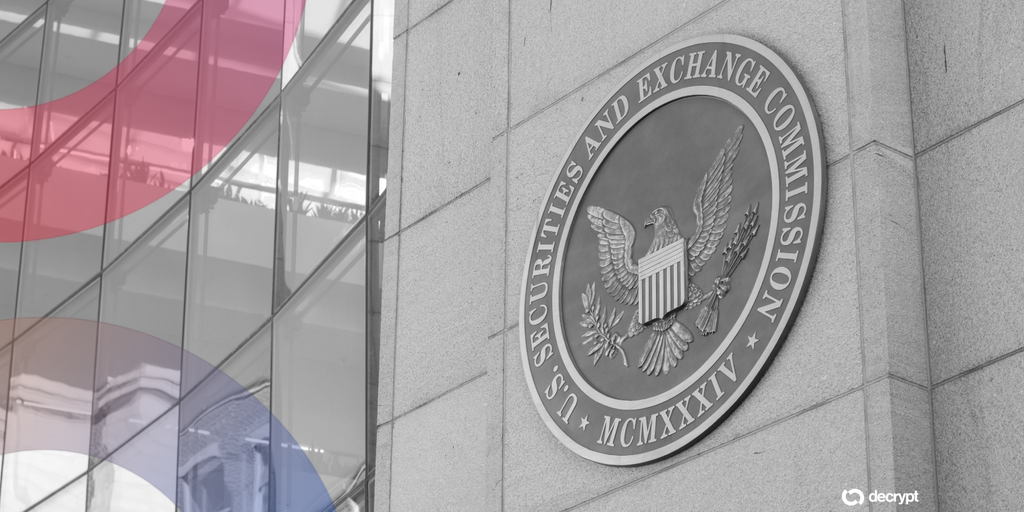
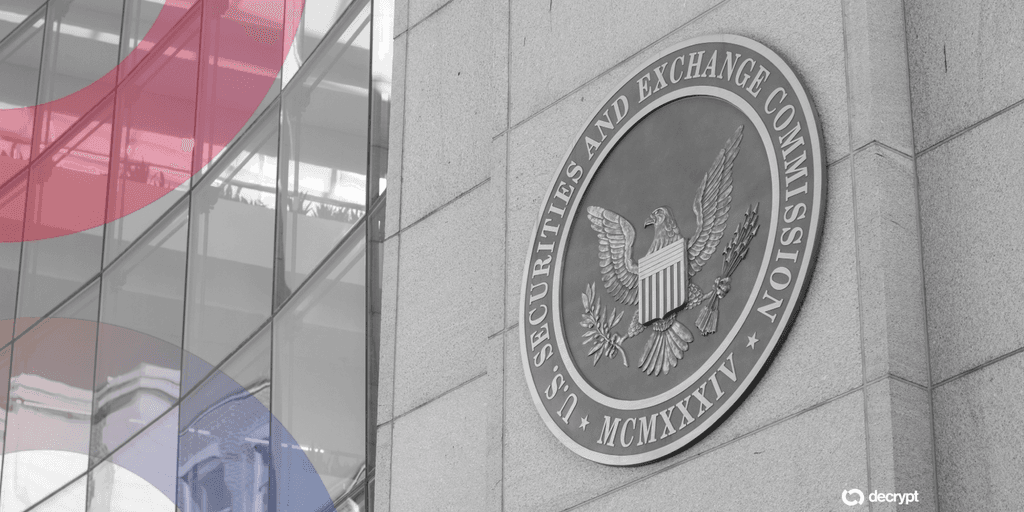
The recent decision by the U.S. Securities and Exchange Commission (SEC) to halt its legal proceedings against Nader Al-Naji, the founder of the controversial BitClout project, marks a significant moment in the ongoing narrative surrounding cryptocurrency regulation. The SEC had previously accused Al-Naji of conducting $257 million in unregistered securities sales through the BitClout token. This abrupt shift by the regulatory body not only sheds light on the evolving landscape of crypto regulation but also opens a dialogue about the future of similar projects.
Market Context
Over the past few years, the cryptocurrency market has undergone a seismic shift driven by increasing regulatory scrutiny from governments worldwide. The SEC, in particular, has taken a proactive stance in addressing potential violations in the crypto space. The case against Nader Al-Naji was emblematic of this increased vigilance, as it raised questions about the legality of token sales and the classification of digital assets as securities.
- Historical Overview: The SEC has been particularly concerned with ensuring that investors are protected against fraudulent schemes. In the wake of the 2017 Initial Coin Offering (ICO) boom, where many projects launched tokens without adequate disclosures, the SEC ramped up its enforcement actions.
- Key Allegations Against BitClout: BitClout aimed to create a social network around cryptocurrencies, allowing users to buy and sell tokens that represented real-world individuals. However, the SEC contended that BitClout's token was a security that had been sold without proper registration, thus violating securities laws.
- Regulatory Shifts: The SEC’s decision to drop the case could indicate a shift in its approach to enforcement. Legal challenges and public discourse surrounding the crypto industry have prompted regulators to reconsider how they interact with innovative projects.
Impact on Investors
The SEC's withdrawal from the case against Nader Al-Naji may have immediate and long-term implications for investors and the crypto ecosystem at large.
Short-Term Effects
- Market Sentiment: The decision could create a ripple effect, boosting investor confidence in projects that may have previously been hesitant due to potential regulatory backlash. BitClout's original premise of creating a decentralized social platform could gain traction again, inspiring developers and investors alike to explore similar avenues without the looming fear of immediate regulatory action.
- Increased Investment: With newfound confidence, we may see a resurgence of investment in projects that push the boundaries of traditional finance and technology, enhancing the innovation landscape within crypto.
Long-Term Considerations
- Precedent Setting: The SEC’s decision could set a precedent for other projects facing scrutiny. If more cases are dropped or settled without severe penalties, it may encourage other founders to push forward with their innovations.
- Future Regulatory Landscape: The withdrawal might indicate a more nuanced approach by regulators as they seek to balance innovation with investor protection. It raises questions about how future projects will be categorized and what regulations will look like in the coming years.
Looking Ahead
As the crypto landscape continues to evolve, the implications of the SEC’s decision will likely resonate across various sectors. Innovators will watch closely to see if regulators maintain this more lenient stance and how it might affect their projects. The BitClout case could serve as a crucial touchpoint for discussions regarding compliance and the need for clearer frameworks that facilitate innovation while ensuring investor safety.
In conclusion, while the SEC's decision has immediate positive implications for Nader Al-Naji and BitClout, it also opens the floor to broader discussions about the regulatory environment surrounding cryptocurrencies and digital assets. As this space evolves, stakeholders must remain vigilant and adaptable to the changing dynamics of regulation and innovation.
Conclusion
The SEC’s decision to drop its case against Nader Al-Naji is a landmark moment in the discussion of cryptocurrency regulation. It signals a potential shift in how regulators may approach digital assets moving forward and highlights the ongoing need for clarity and innovation in this rapidly evolving sector. Investors should keep a close eye on how this case influences future regulatory actions and market dynamics.