 Go Back


SEC's Tokenization Exemption: An Incomplete Solution for Innovation
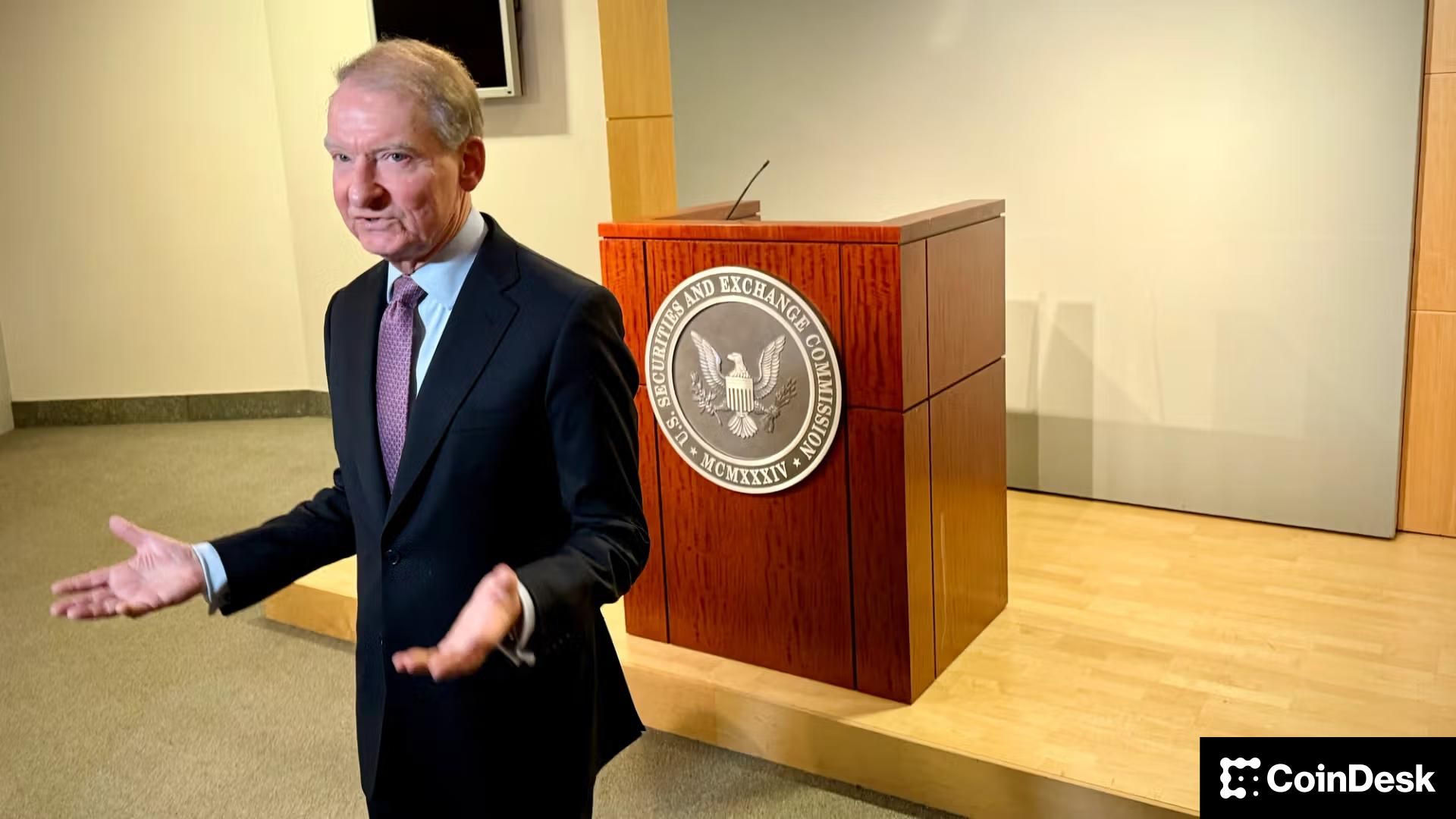
As the cryptocurrency landscape continues to evolve, regulatory clarity remains a significant concern for investors and developers alike. Recent discussions surrounding the U.S. Securities and Exchange Commission's (SEC) potential move to grant exemptions for tokenization innovation have garnered attention. Former SEC lawyers assert that this approach may not provide the robustness needed to support a thriving marketplace.
Quick Take
| Aspect | Details |
|---|---|
| Regulatory Body | U.S. Securities and Exchange Commission (SEC) |
| Focus | Tokenization innovation and its exemption from securities law |
| Current View | Exemptions may be less resilient than full-fledged rules, according to former SEC lawyers |
| Market Sentiment | Uncertainty surrounding regulatory frameworks may impact investment and innovation |
Market Context
The SEC's consideration of exemptions for tokenization is a response to the rapid growth of the cryptocurrency ecosystem. Tokenization—the process of converting physical or digital assets into digital tokens on a blockchain—has the potential to revolutionize various industries, from real estate to art. However, the regulatory framework surrounding these innovations has often been perceived as restrictive, stifling growth and creativity in the sector.
Historically, the SEC has been cautious in its approach to cryptocurrencies and blockchain technologies. In 2018, SEC Chairman Jay Clayton emphasized that many cryptocurrencies qualify as securities, which necessitated compliance with existing securities laws. This has created an environment of uncertainty for projects aiming to develop tokenized assets. The call for regulatory clarity has only intensified as more organizations look to leverage blockchain technology for tokenization.
Impact on Investors
The potential granting of exemptions for tokenization efforts could be interpreted as a positive sign for the crypto industry. However, the caution expressed by former SEC lawyers illuminates possible pitfalls. Here are some key implications for investors:
- Limited Protection: If exemptions lack the comprehensive structure of full regulations, investors may find themselves with limited protections against fraud or mismanagement, which has been a recurring issue in the crypto space.
- Market Volatility: The uncertainty around regulatory measures could lead to increased market volatility. Investors may react with caution, impacting liquidity and asset prices.
- Innovation Stifled: If the SEC's stance remains ambiguous, it could deter startups and innovators from entering the market, leading to a slower pace of technological advancement in tokenization.
- Long-term Outlook: In the long run, a structured and clear regulatory framework is essential for fostering a conducive environment for investment and innovation. Investors should remain aware that the SEC's current position may evolve, and future regulations could significantly impact market dynamics.
Conclusion
While the SEC’s exploration of tokenization exemptions signals a willingness to adapt to a changing financial landscape, the lack of comprehensive rules could pose challenges. Investors must navigate this landscape carefully, weighing the potential benefits of innovation against the risks associated with regulatory uncertainty.
As the situation develops, close attention should be paid to the SEC's future actions and the broader implications for the cryptocurrency market. The balance between fostering innovation and ensuring investor protection will be critical in shaping the future of tokenization and the entire crypto industry.
Tags
- SEC
- Tokenization
- Innovation
- Cryptocurrency
- Regulation