 Go Back


SEC's Tokenized Stock Proposal: What It Means for Crypto and Investors
The U.S. Securities and Exchange Commission (SEC) is set to unveil a significant proposal regarding a framework for tokenized stocks. This initiative highlights the growing intersection of traditional finance and the burgeoning crypto industry, signaling a pivotal moment for both sectors. 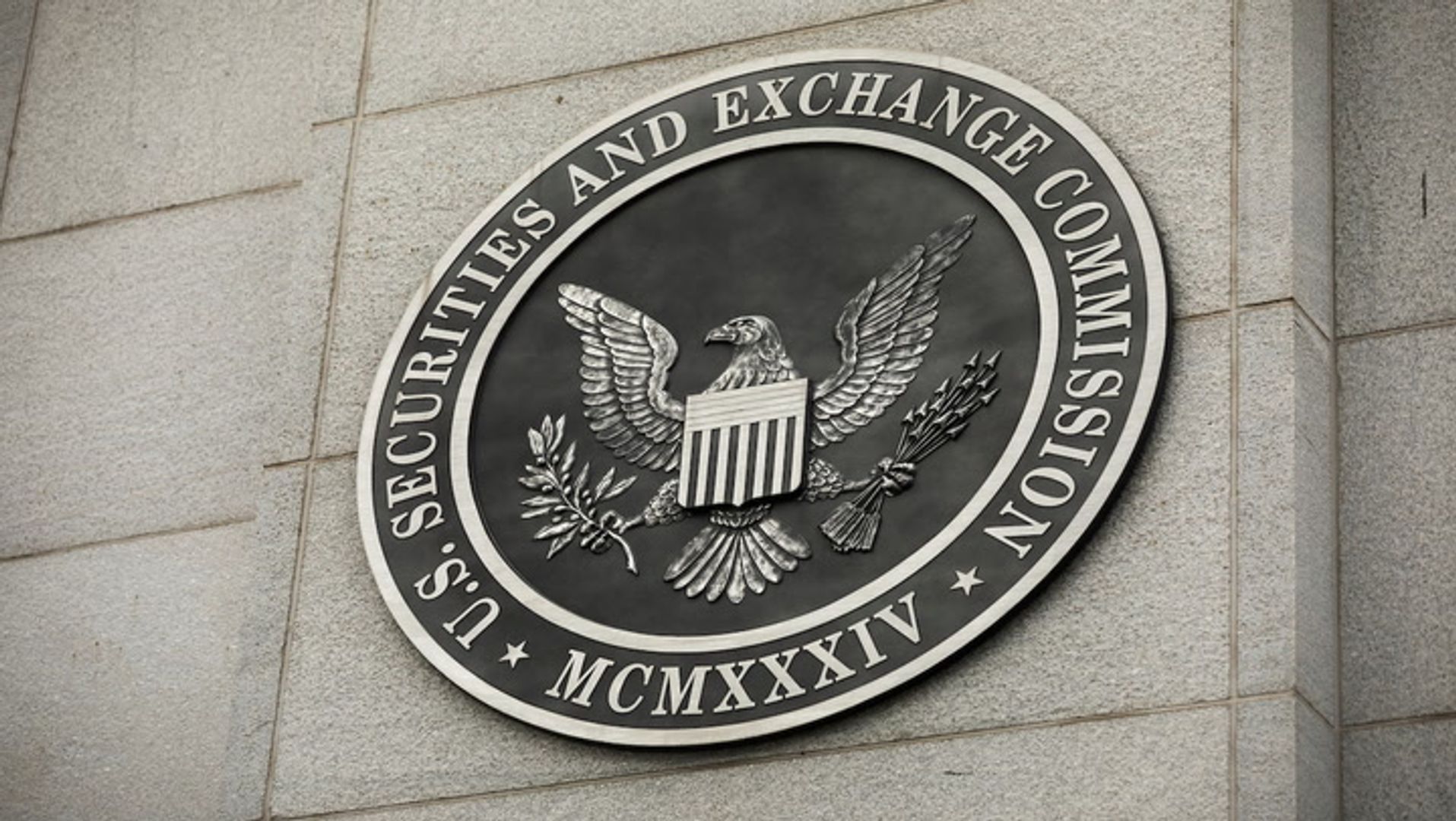
Quick Take
| Aspect | Details |
|---|---|
| Proposal Type | Tokenized stock framework |
| Regulatory Body | U.S. Securities and Exchange Commission (SEC) |
| Industry Impact | Integration of traditional finance with crypto |
| Potential Outcomes | Enhanced liquidity, broader market access, regulatory clarity |
| Key Stakeholders | Investors, financial institutions, regulatory bodies |
What is a Tokenized Stock?
Tokenized stocks are digital representations of shares in a company, built on blockchain technology. These tokens allow for fractional ownership and can be traded on various platforms, making it easier for smaller investors to participate in equity markets. By leveraging blockchain, tokenized stocks can enhance liquidity and reduce transaction costs, but they also raise critical regulatory questions.
Market Context
As traditional financial institutions like Wall Street increasingly explore digital assets, the SEC's forthcoming proposal comes at a time of significant transformation within the financial landscape. The rise of tokenization is not merely a trend; it's a response to the demands for greater efficiency and accessibility in financial markets.
Historically, the concept of tokenized assets gained traction following the popularity of cryptocurrencies like Bitcoin and Ethereum. However, the recent global economic climate, characterized by inflationary pressures and ongoing economic recovery efforts, has spurred interest in innovative financial technologies that might provide more stable investment opportunities. The SEC’s move to establish a regulatory framework for tokenized stocks can be viewed as a necessary step to harmonize these developments with existing securities laws.
Why is the SEC Proposing this Framework?
The SEC's initiative aims to address several key objectives:
- Regulatory Clarity: By establishing a clear framework, the SEC seeks to reduce uncertainties surrounding the legality of tokenized stocks, which could encourage wider adoption among financial institutions and investors.
- Investor Protection: A regulated environment can help safeguard investors from potential fraud and manipulation, fostering trust in tokenized assets.
- Market Innovation: Streamlining the regulatory process could lead to the development of new financial products that integrate the advantages of blockchain technology with traditional equity markets.
Impact on Investors
Enhanced Liquidity and Access
Tokenized stocks promise increased liquidity, as they can be traded 24/7 on various exchanges. This flexibility may attract both retail and institutional investors who seek to capitalize on market movements outside traditional trading hours. Moreover, by allowing fractional ownership, tokenized stocks can make it easier for smaller investors to diversify their portfolios without the need for substantial capital outlays.
Regulatory Evolution
For investors, the SEC’s proposal represents a crucial evolution in the regulatory landscape of digital assets. A clear framework could minimize risks associated with investing in tokenized stocks, potentially leading to increased participation from conservative investors who have thus far remained on the sidelines due to regulatory ambiguity.
Potential Risks
While the SEC's proposal is promising, investors should remain vigilant about potential risks. Regulatory changes can lead to market volatility, and the novelty of tokenized stocks may bring unforeseen challenges. Investors must keep abreast of developments and adjust their strategies accordingly as the framework is rolled out.
Future Predictions
Looking ahead, the SEC's tokenized stock framework may set a precedent for the broader acceptance of digital assets in mainstream finance. If successful, this could pave the way for other innovative financial products, such as tokenized bonds or real estate, thereby expanding the digital asset ecosystem further. As institutions embrace this shift, the role of blockchain in financial markets is likely to grow, making it a cornerstone of the future financial landscape.
In the long term, the SEC's actions could help integrate crypto into the fabric of the financial system, fostering a more dynamic and inclusive market environment.
Conclusion
The SEC’s impending proposal for a tokenized stock framework is poised to be a game-changer in the world of crypto and traditional finance. By providing regulatory clarity and enabling innovative investment opportunities, this initiative could redefine how investors engage with financial markets. Stakeholders should remain informed and prepared for the changes ahead, as the landscape of both crypto and traditional finance continues to evolve rapidly.
Tags
- SEC
- Tokenized Stocks
- Crypto Regulation
- Digital Assets
- Financial Innovation