 Go Back


Quick Take
| Aspect | Details |
|---|---|
| Who | Simon Dixon |
| What | Advocacy for self-custody in cryptocurrency |
| Why | Security, control, and market implications |
| Market Context | Current trends and risks in the cryptocurrency space |
| Investor Impact | How self-custody affects traders and investors |
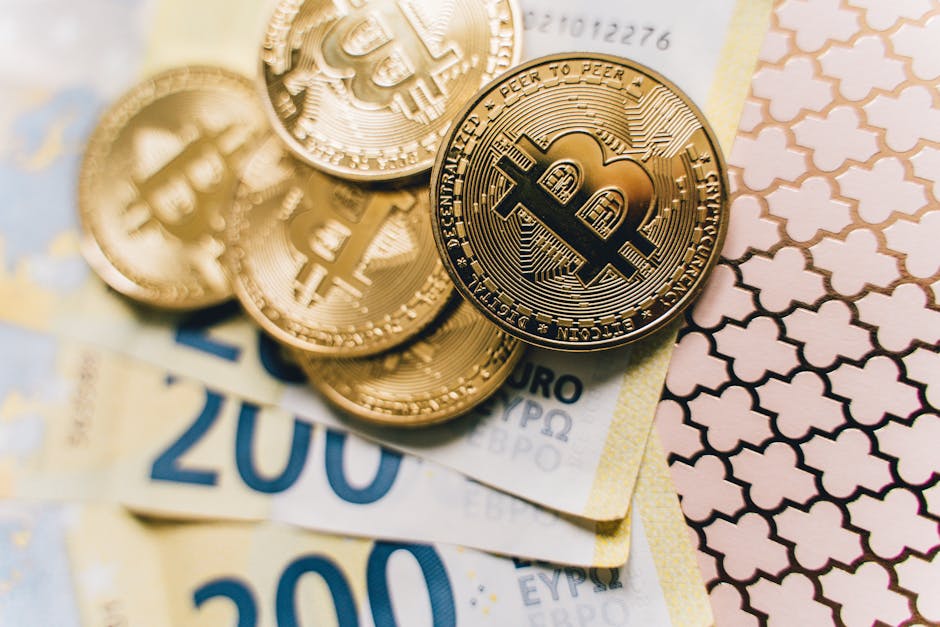
In recent discussions, Simon Dixon, a prominent figure in the cryptocurrency space, has emphasized the criticality of self-custody for crypto assets. With the landscape of digital currencies constantly shifting, the topic of self-custody gains importance not only for individual investors but also within the broader macroeconomic context. This blog post explores the implications of self-custody, analyzing its advantages, drawbacks, and the potential long-term impacts on the crypto market.
The Good: Advantages of Self-Custody
Self-custody refers to the practice of holding and managing one's cryptocurrency assets without relying on third-party services, such as exchanges or custodial wallets. This approach offers several advantages:
Enhanced Security: By managing your private keys, you eliminate the risk associated with centralized exchanges, which are often targets for hacks. Self-custody can significantly reduce the chance of losing assets due to third-party failures.
Control Over Assets: Self-custody provides individuals with complete control over their funds. This autonomy is crucial, particularly in volatile markets where quick access to assets might be necessary.
Privacy: Managing your own assets means that you can engage in transactions without the oversight of a centralized authority, adding an extra layer of privacy and independence.
Empowerment: The philosophy of self-custody aligns with the core tenets of cryptocurrency—decentralization and individual empowerment. It encourages users to take personal responsibility for their financial decisions.
The Bad: Challenges of Self-Custody
While self-custody offers many benefits, it is not without its challenges:
User Responsibility: With greater control comes greater responsibility. Losing access to private keys can result in permanent loss of assets, which can be daunting for inexperienced users.
Technical Knowledge: Successfully managing self-custody requires a certain level of technical knowledge. Beginners may find it overwhelming, leading to potential mistakes that could endanger their assets.
Lack of Regulatory Oversight: Self-custody often operates outside the purview of regulatory frameworks, which can be a double-edged sword. While it allows for greater freedom, it also means less protection in cases of fraud or loss.
Market Volatility: In highly volatile markets, the need for quick transactions can be hindered by the complexities of self-custody, potentially leading to missed opportunities.
The Ugly: Implications for the Future
The conversation around self-custody is more than just about individual practices; it reflects broader themes in the cryptocurrency ecosystem:
- Market Integrity: As more investors opt for self-custody, there could be increased scrutiny on centralized exchanges' practices. This shift may push exchanges to enhance security measures and improve trust.
- Evolving Regulations: Governments are increasingly looking at how to regulate cryptocurrencies. The growing trend of self-custody might lead to new regulatory frameworks that either promote or limit these practices.
- Adoption Barriers: While self-custody is empowering, it may also create barriers to entry for new users who are not tech-savvy. This dynamic could hinder mass adoption, which is essential for the long-term growth of the cryptocurrency market.
Market Context
The cryptocurrency market has undergone significant transformations over the years. With the advent of decentralized finance (DeFi) and non-fungible tokens (NFTs), the landscape is shifting towards greater decentralization and self-sovereignty. Self-custody is becoming increasingly relevant as investors prioritize security and control over their assets.
Recent trends indicate a rise in user education around self-custody, with various platforms and resources emerging to assist individuals in managing their funds securely. The macroeconomic implications of this trend reflect a broader shift towards autonomy in personal finance and digital asset management.
Impact on Investors
For investors, understanding self-custody is crucial. It means not only securing their assets but also navigating the evolving landscape of risk and reward. With the potential for both security and vulnerability, the decision to engage in self-custody should be informed by comprehensive knowledge and an understanding of personal risk tolerance.
In summary, Simon Dixon's advocacy for self-custody resonates deeply within the context of today's macroeconomic challenges and the future of cryptocurrency. As we move forward, individuals who prioritize self-custody may find themselves at a strategic advantage, fostering a more secure and resilient crypto ecosystem. By combining the benefits of self-custody with an awareness of its challenges, investors can navigate the intricate dance of risk and reward in the world of cryptocurrencies.