 Go Back


Senate Hearing on Prediction Markets: A Deep Dive into Impacts
Quick Take
| Topic | Details |
|---|---|
| Event | Senate Hearing on Prediction Markets |
| Focus | Advertising to children, gaming integrity |
| Key Firms | Kalshi, others in prediction markets |
| Industry Impact | Regulatory scrutiny, potential changes |
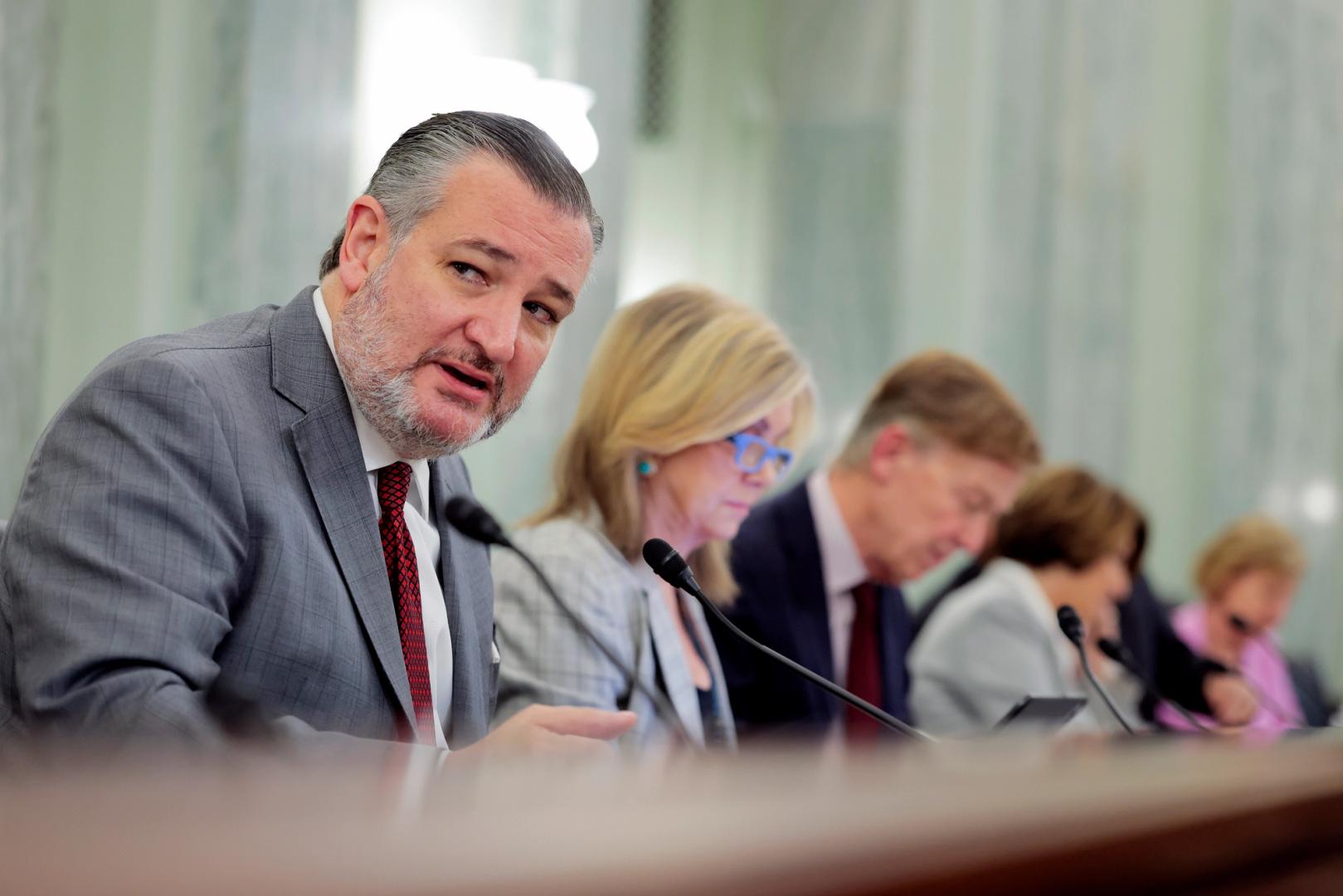
In a recent Senate Commerce hearing, prediction markets, particularly firms like Kalshi, faced intense scrutiny regarding their advertising practices, particularly towards children, as well as concerns about cheating from athletes and the impact on regulated gaming. This scrutiny raises important questions about the future of prediction markets and their role in the broader economic landscape.
What Are Prediction Markets?
Prediction markets are platforms where participants can buy and sell contracts based on the outcomes of future events, such as elections, sports events, or economic indicators. These markets function under the premise that the collective wisdom of participants can yield accurate predictions. As the popularity of prediction markets grows, so does the need for regulatory frameworks to ensure fair play.
Market Context
Historical Perspective
The concept of prediction markets is not new, but their recent surge in popularity coincides with the rise of online betting and gaming platforms. Unlike traditional betting systems, prediction markets allow users to speculate on outcomes, with prices acting as indicators of the market's collective belief in a particular outcome. This model has attracted both enthusiasts and investors, leading to exponential growth in this sector.
However, as seen in historical contexts, rapid growth often invites regulatory scrutiny. For example, the online gambling boom in the early 2000s prompted numerous debates over consumer protection, ethical advertising, and the overall integrity of the gaming industry. These discussions are now resurfacing with the emergence of prediction markets.
Current Regulatory Landscape
The Senate hearing underscores a broader concern regarding the regulation of emerging financial technologies. As lawmakers grapple with the implications of prediction markets, they face the challenge of balancing innovation with consumer protection. The focus on advertising practices—specifically targeting children—highlights the need for strict guidelines to prevent exploitation and ensure responsible marketing.
Impact on Investors
Immediate Reactions
Investors in prediction markets and related sectors may face a period of volatility as the implications of the Senate hearing unfold. Depending on the outcomes of regulatory discussions, firms like Kalshi may need to adapt their business models to comply with new standards. This could involve altering advertising strategies, which may impact user acquisition and market participation.
Long-Term Considerations
In the long run, a more robust regulatory framework could enhance the legitimacy of prediction markets. By establishing clear guidelines, regulators can foster a safer environment for investors while preserving the innovative edge that has driven the popularity of these platforms. This could lead to increased institutional investment, as firms would have greater clarity on operating within a regulated space.
Moreover, should the Senate decide to impose stringent regulations, there could be a consolidation of firms within the industry. Smaller companies may struggle to comply with new rules, leading to fewer competitors and a more dominant market position for larger firms that can absorb the costs associated with compliance.
Conclusion: A Call for Responsible Innovation
The recent Senate hearing on prediction markets serves as a crucial reminder of the need for responsible innovation within the rapidly developing landscape of fintech. While the potential for prediction markets is significant, so are the associated risks. As the industry evolves, it is imperative that stakeholders prioritize ethical practices and consumer protection to build a sustainable future for prediction markets and the broader gaming industry.
As we move forward, investors and firms alike must stay informed about regulatory developments and prepare for a landscape that may require significant adjustments. The balance between innovation and regulation will ultimately define the trajectory of prediction markets in the coming years.
Tags
- Prediction Markets
- Regulation
- Kalshi
- Senate Hearing
- Market Analysis