 Go Back

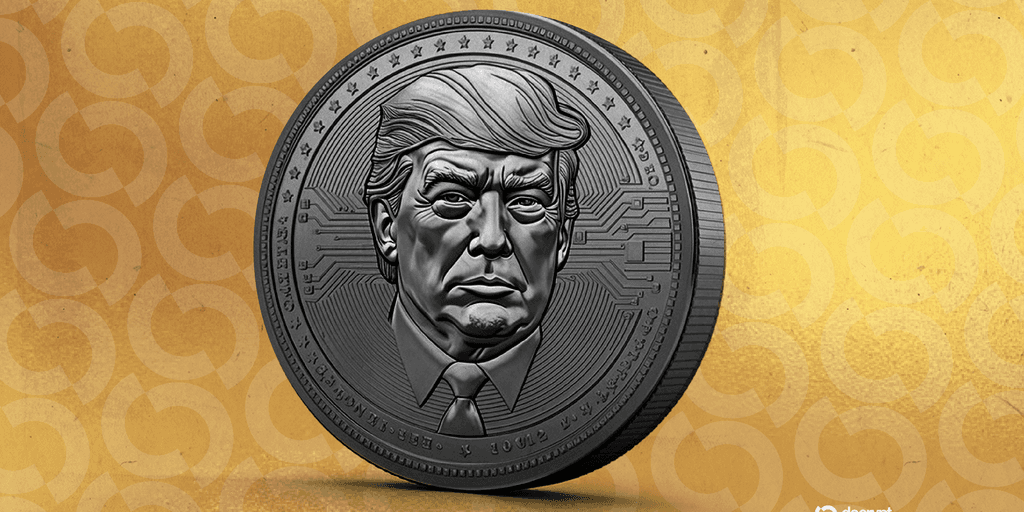
Senator Gillibrand Calls for Ban on Meme Coins by Elected Officials
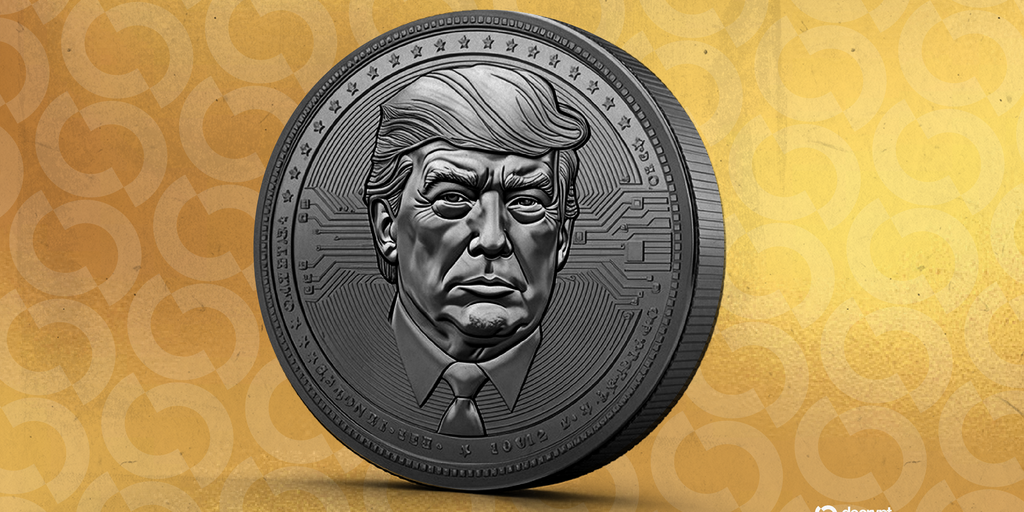
The cryptocurrency landscape continues to stir debate in the political arena, particularly with the recent disclosure of over $1 billion in crypto-related earnings by former President Donald Trump. In response, Senator Kirsten Gillibrand has proposed legislation aimed at banning elected officials from launching meme coins. This intriguing development not only raises questions about the regulatory future of cryptocurrencies but also highlights the ongoing tension between innovation and governance in this rapidly changing financial ecosystem.
Quick Take
| Key Point | Details |
|---|---|
| Legislation Proposed | Ban on meme coins by elected officials |
| Reasoning | Concerns over potential conflicts of interest |
| Context | Trump's significant crypto earnings disclosure |
| Potential Impact | Increased regulatory scrutiny on cryptocurrencies |
What Prompted Senator Gillibrand's Proposal?
Senator Gillibrand's call to action comes in light of Trump's financial disclosure, which revealed a staggering amount of earnings tied to cryptocurrency ventures. Given the volatile nature of meme coins—cryptocurrencies often created as jokes or as part of internet culture—there are valid concerns regarding their legitimacy and the potential for manipulation by public figures.
The senator's proposal aims to prevent elected officials from capitalizing on the cryptocurrency craze, ensuring that their financial decisions do not conflict with their public duties or mislead constituents.
Market Context
Meme coins, such as Dogecoin and Shiba Inu, have surged in popularity, often driven by social media hype rather than underlying technological advancements or economic fundamentals. This trend presents unique challenges for regulators:
- Volatility: These coins are notoriously unstable, leading to significant financial risks for investors.
- Perception vs. Reality: The allure of meme coins often overshadows the need for robust financial literacy among retail investors, which can lead to poor investment decisions.
- Cultural Influence: As seen with figures like Elon Musk, public sentiment significantly impacts the market, raising ethical concerns about how public figures use their influence.
Senator Gillibrand’s proposal is a reflection of broader concerns in the regulatory community about how meme coins could be misused by those in power. By setting stricter guidelines, lawmakers aim to create a more transparent marketplace, restoring faith in cryptocurrencies as a legitimate asset class.
Impact on Investors
The implications of this legislative push extend beyond political ethics; they could significantly alter the landscape for retail investors:
- Regulatory Clarity: Should the ban move forward, it might lead to clearer guidelines for what constitutes appropriate behavior among public officials, potentially stabilizing the market.
- Investment Safety: By curbing the influence of politicians in the meme coin space, investors may feel more secure, knowing that their investments are not subject to unethical behaviors from elected officials.
- Market Dynamics: A ban on meme coin launches by politicians could diminish the speculative hype surrounding these assets, leading to a more measured and rational investment environment.
What Does This Mean for the Future of Cryptocurrency?
The long-term ramifications of Gillibrand’s proposal are multifaceted:
- Evolving Regulations: We could see a trend toward stricter regulations that focus on transparency and the ethical implications of cryptocurrency investments.
- Increased Scrutiny: As meme coins have become intertwined with popular culture, the regulatory spotlight may shine brighter on all cryptocurrencies, leading to more comprehensive legislation.
- Shift in Public Sentiment: The perception of cryptocurrencies as legitimate financial instruments could improve if measures are enacted to protect consumers from potential exploitation.
Conclusion
Senator Gillibrand’s initiative to ban elected officials from launching meme coins underscores the necessity of ethical considerations in the cryptocurrency domain. As the market evolves, it is vital for both lawmakers and investors to navigate these waters with caution, ensuring that innovation does not come at the cost of public trust. This legislative effort could represent a watershed moment in the ongoing dialogue about the role of cryptocurrencies in our economy, signaling that both governance and financial technology must evolve hand in hand.
Tags
- Regulation
- Cryptocurrency
- Meme Coins
- Gillibrand
- Political Influence