 Go Back

Senators Question CFTC on Polymarket's Alleged Deceptive Advertising
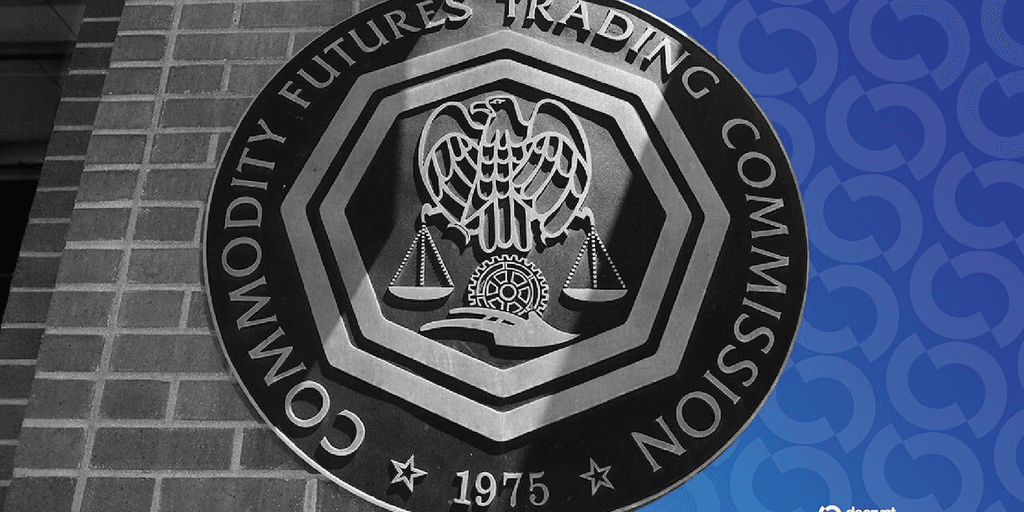
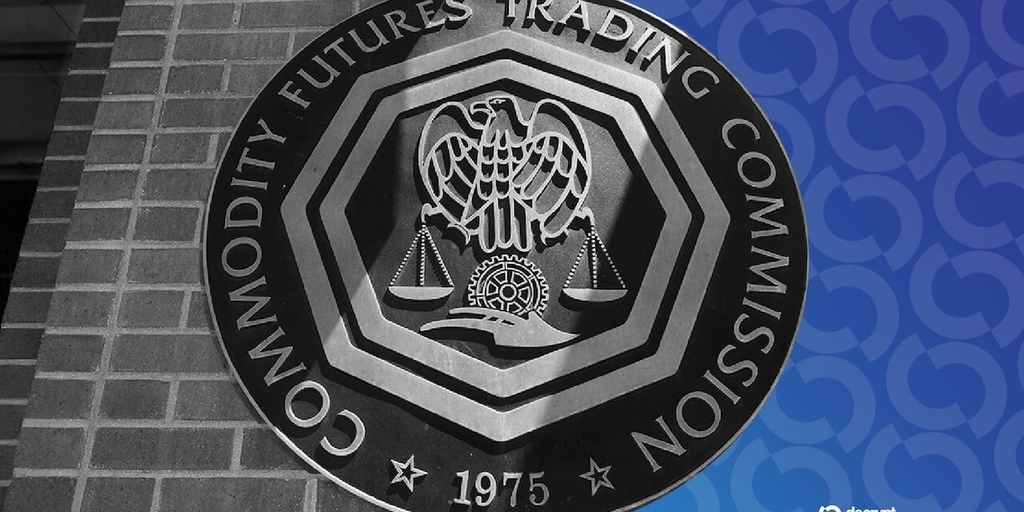
Recently, a group of U.S. senators directed inquiries to the Commodity Futures Trading Commission (CFTC) regarding allegations of deceptive marketing practices associated with Polymarket, a well-known prediction market platform. As the crypto landscape continues to evolve, regulatory bodies are increasingly focused on ensuring compliance, transparency, and consumer protection. This situation presents a unique opportunity to delve into the ramifications of such inquiries within the broader context of the cryptocurrency and decentralized finance (DeFi) sectors.
Quick Take
| Key Points | Details |
|---|---|
| Issue | Allegations of deceptive advertising by Polymarket. |
| Regulatory Body | Commodity Futures Trading Commission (CFTC). |
| Senators Involved | A bipartisan group of U.S. senators seeking transparency and accountability. |
| Broader Context | Growing scrutiny of the crypto space by regulatory authorities amid rising consumer concerns. |
| Potential Outcomes | Possible regulatory changes and increased compliance requirements for prediction markets and crypto platforms. |
Market Context
The cryptocurrency market has witnessed an increase in attention from both institutional and retail investors in recent years. This surge has led to a robust proliferation of various platforms, including prediction markets like Polymarket. These platforms allow users to bet on the outcomes of future events, ranging from political elections to sports contests.
However, as their user bases expand, so too does the regulatory spotlight. The CFTC has been tasked with overseeing derivatives markets but has also extended its reach into the burgeoning world of digital assets. Allegations of deceptive advertising can have severe implications, potentially destabilizing investor trust and leading to stricter oversight.
For instance, if the CFTC finds merit in the senators' concerns, it could lead to increased regulatory scrutiny of Polymarket, and by extension, other platforms in the crypto space that engage in similar practices. This scrutiny could result in mandatory disclosures, clearer advertising standards, and in some cases, penalties for non-compliance. Such changes could dramatically reshape how these companies operate and market their products.
Impact on Investors
Short-Term Consequences
- Market Volatility: The news of regulatory investigations often leads to immediate market reactions. Investors may respond to uncertainty by liquidating their positions, leading to short-term price fluctuations across affected platforms.
- Increased Caution: Users and investors may adopt a more cautious approach towards prediction markets, opting to engage with platforms that demonstrate greater transparency and compliance. This shift in behavior could impact trading volumes and platform market shares.
Long-Term Implications
- Regulatory Framework Development: The outcome of the CFTC's investigations could lead to a more defined regulatory framework for prediction markets and similar platforms. A solid foundation may encourage broader adoption among traditional investors looking for regulated investment opportunities.
- Enhanced Consumer Protections: As regulations tighten, consumers may benefit from enhanced protections against deceptive advertising and other unfair practices. This could foster a healthier market environment where users can engage with confidence.
- Market Evolution: Platforms that adapt effectively to regulatory changes may emerge as leaders in the prediction market space. Conversely, those that struggle with compliance may face significant operational challenges or even shutdowns.
Conclusion
While the scrutiny of Polymarket's advertising practices by U.S. senators may seem like a regulatory hiccup, it symbolizes a larger trend towards accountability and transparency in the cryptocurrency market. As platforms navigate an increasingly complex regulatory landscape, both companies and investors must be prepared for the potential changes that could reshape the dynamics of the crypto economy.
This case not only highlights the importance of ethical marketing in the crypto space but also emphasizes the need for vigilant regulatory oversight to protect consumers and promote a sustainable digital asset ecosystem.