 Go Back


Solana Bets on AI Agents: The Future of the Agentic Internet
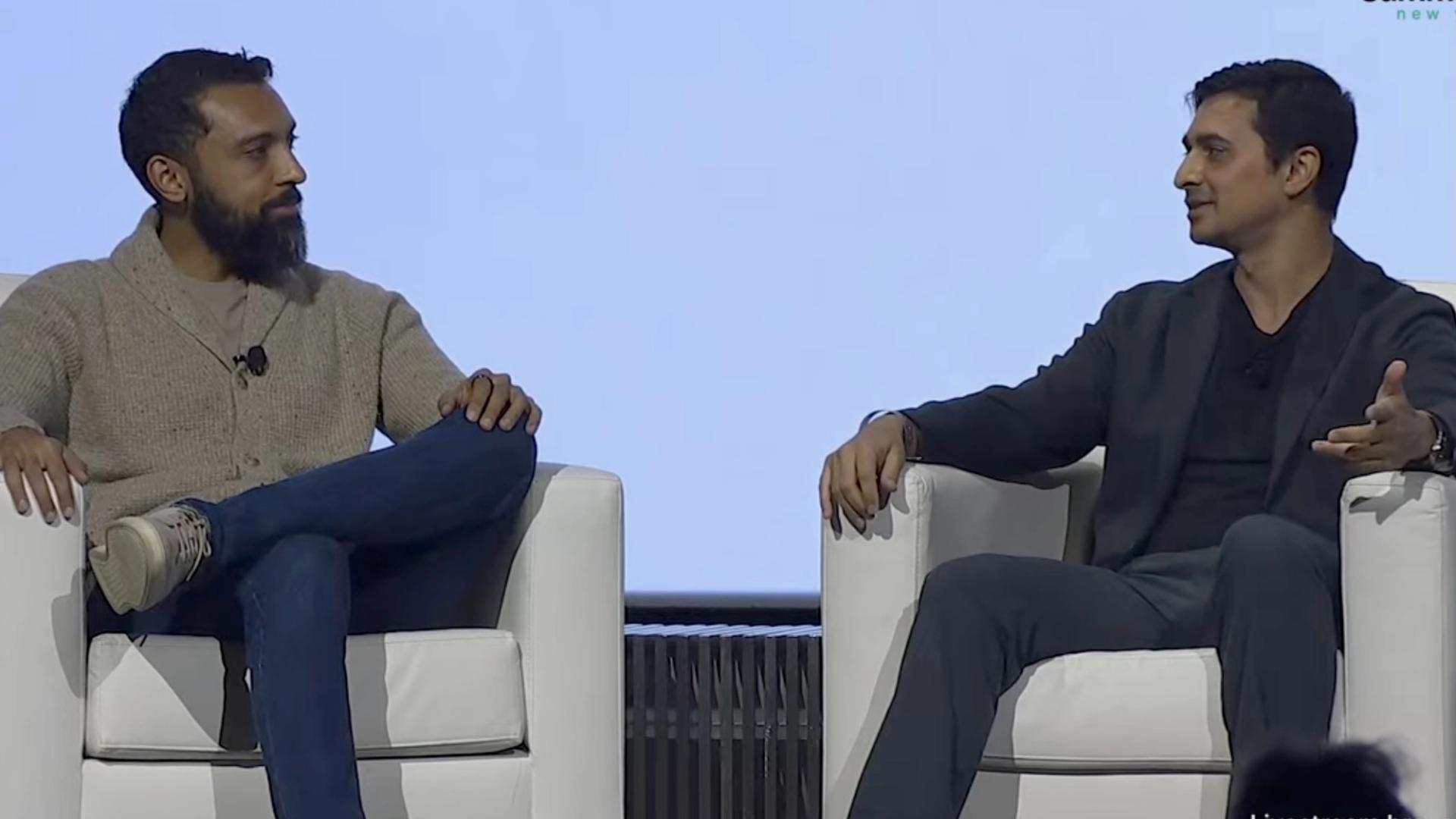
The Solana Foundation recently made headlines by declaring its commitment to integrating AI agents into its blockchain infrastructure. Vibhu Norby, a key figure at the foundation, emphasized that Solana is positioning itself as a core player in what he describes as the ‘agentic internet.’ This concept could potentially revolutionize the way we interact online and conduct business. Let's delve deeper into this significant announcement, its implications, and what it means for the future of decentralized technologies.
Quick Take
| Aspect | Details |
|---|---|
| Key Player | Solana Foundation |
| Focus | AI agents and 'agentic internet' |
| Market Position | Core infrastructure for decentralized applications |
| Future Potential | Reshaping business models and user interactions |
Market Context
The Rise of AI in Web3
The intersection of AI and blockchain technology has been gaining traction in recent years. As artificial intelligence continues to evolve, its application within decentralized networks presents opportunities that could redefine internet functionality. The ‘agentic internet’ refers to a network where users can operate through autonomous agents powered by AI, allowing for seamless transactions and interactions that bypass traditional, centralized systems.
Solana, known for its high throughput and low transaction costs, is in a prime position to support this shift. The blockchain's architecture is designed to handle complex computations and high-speed transactions, making it an ideal candidate for deploying AI agents that can conduct business autonomously.
Historical Context
Historically, platforms like Ethereum have dominated the decentralized space, but scalability issues have hindered widespread adoption. Solana's innovative technology offers a compelling alternative, with its ability to process thousands of transactions per second. As businesses look for more efficient ways to operate online, Solana’s proactive approach in embracing AI technology positions it as a potential leader in the new landscape.
SWOT Analysis
Strengths
- High Throughput: Solana's infrastructure supports rapid transaction speeds, essential for AI operations.
- Scalability: Its ability to scale efficiently can accommodate the increasing demand for AI-enhanced applications.
- Community Support: A vibrant developer community is already building innovative solutions on the Solana network, attracting more interest in AI integration.
Weaknesses
- Market Competition: Solana faces stiff competition from Ethereum and other Layer-1 solutions that are also exploring AI capabilities.
- Regulatory Scrutiny: As with all blockchain technology, regulatory challenges could impact Solana's growth and its adoption of AI agents.
Opportunities
- Emerging Business Models: The advent of the agentic internet could create entirely new business models that leverage AI for automation and efficiency.
- Cross-Industry Applications: AI agents could revolutionize sectors like finance, supply chain, and digital marketing by providing personalized, automated services.
Threats
- Technological Risks: The integration of AI with blockchain is still in its infancy, bringing inherent risks and uncertainties.
- Cybersecurity Concerns: As systems become more complex, the potential for vulnerabilities increases, which could undermine user trust.
Impact on Investors
Investors should closely monitor Solana’s developments in AI technology. The foundation’s ambitions could lead to significant growth in the platform’s user base and market value. While the integration of AI agents promises a more efficient internet, it also poses risks that investors must consider.
Long-Term Outlook
The potential for Solana to become the backbone of the agentic internet is substantial. If successful, this could lead to a paradigm shift in how online business is conducted, presenting lucrative opportunities for early investors. However, the path to realizing this vision will require overcoming various challenges, including technological hurdles and market competition.
Solana’s strategic investment in AI agents represents a bold step toward the future of decentralized technology. As the blockchain space continues to evolve, the success of this initiative may very well determine Solana's place at the forefront of the next internet revolution.
Conclusion
The Solana Foundation's commitment to developing AI agents reflects a broader trend in the tech industry. As we move closer to an agentic internet, the implications for business, technology, and investment will be profound. Keeping an eye on Solana’s progress may provide critical insights into the future of the decentralized web and the role AI will play in shaping our digital interactions.